Syntiant Corp, a California-based company specialising in semiconductors and software for artificial intelligence applications, has filed paperwork with US regulators to launch an initial public offering. The move places the Irvine company among the growing roster of chipmakers seeking public capital to fund expansion in a market where demand for AI processing power shows no signs of slowing.
The IPO Filing and What Syntiant Does
Syntiant Corp submitted its registration documents to the Securities and Exchange Commission this month, though the company has not yet specified the number of shares it plans to offer or the targeted raise amount. The company designs specialised chips optimised for on-device AI processing, a segment that handles tasks like voice recognition and image classification directly on smartphones and other hardware rather than routing data through cloud servers.
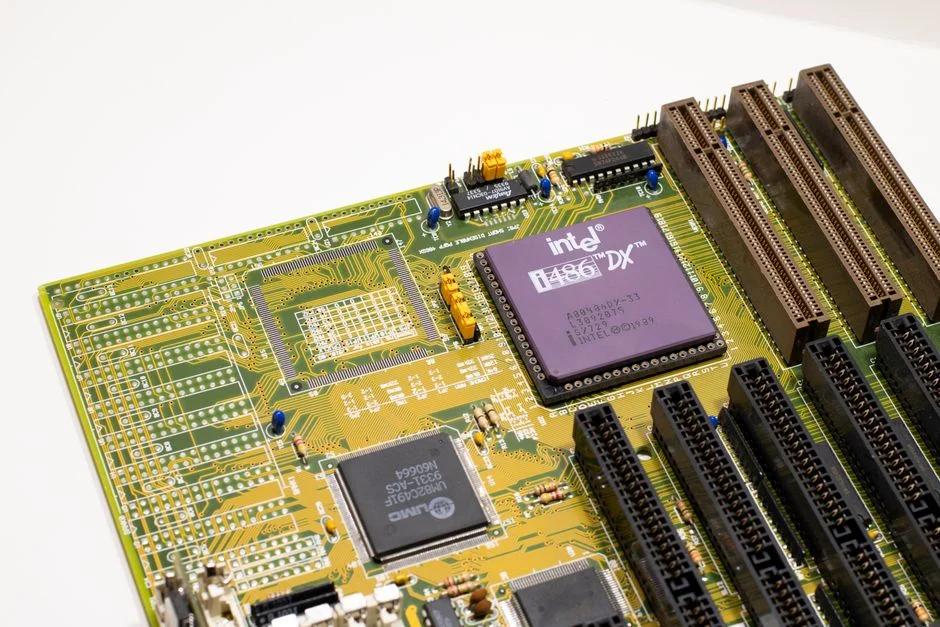
The company's products target applications across consumer electronics, automotive systems, and industrial equipment. Syntiant's hardware is engineered to run machine learning models with minimal power consumption, a selling point for battery-powered devices seeking to add AI capabilities without draining energy reserves.
Why the Timing Matters
The filing arrives during a period of elevated investor appetite for semiconductor companies tied to artificial intelligence. The Philadelphia Stock Exchange Semiconductor Index has climbed steadily over the past twelve months, reflecting broader market confidence in the sector's growth trajectory. Syntiant's decision to pursue public markets mirrors steps taken by several peer companies in recent quarters.
Capital raised through an IPO would give Syntiant fresh resources to scale manufacturing and accelerate research into next-generation processor designs. For a company competing against much larger players like Qualcomm and Intel, accessing public equity markets represents a strategic milestone that could reshape its competitive position.
The On-Device AI Segment
Syntiant operates in a niche that sits between traditional mobile processors and dedicated AI accelerators. Its chips are built to execute neural network computations locally, which addresses growing privacy concerns among consumers and businesses reluctant to send sensitive data to external servers. This architectural approach reduces latency and functions without continuous internet connectivity.
The on-device AI market has attracted increasing attention as manufacturers look to differentiate hardware through smarter software features. Mobile phone makers, in particular, have marketed AI-enhanced cameras and voice assistants as key selling points, creating downstream demand for the underlying processing technology that Syntiant supplies.
Market Context for Chip IPOs
The semiconductor industry has seen a wave of public listings in recent years, with companies betting that investor enthusiasm for AI will translate into elevated valuations. Not every recent chip IPO has performed well, however. Some newly public companies have faced share price volatility as markets reassessed growth expectations against actual revenue results.
For Syntiant, the challenge will involve demonstrating a clear path to profitability or credible scaling plans that justify a market valuation. Investors will scrutinise the company's revenue figures, customer concentration, and backlog of design wins when the full prospectus becomes available. The filing did not disclose financial details, which are expected in subsequent amendments to the registration statement.
Implications for Investors
A successful listing would give public market investors direct exposure to a company focused on the edge AI processing segment. The offering size and pricing will determine initial valuation parameters, with the broader semiconductor sector's performance serving as a reference point for market reception.
Institutional investors typically view semiconductor IPOs through the lens of technology secular trends and competitive positioning. Syntiant's appeal lies in its specialised approach to processor design, which may offer differentiation from larger rivals whose portfolios span a wider range of chip categories.
What Comes Next
The SEC review process typically spans several weeks, during which Syntiant must respond to regulatory questions and finalise disclosure documents. The company has not announced a target date for the IPO or identified underwriters, though investment banks typically join the syndicate in the weeks ahead of a listing. Markets will watch for updated filings that reveal pricing terms and the expected debut timeline. Analysts tracking the semiconductor space say the next filing update will be the critical signal for timing expectations.
See Also
- Iran Unplugs Economy: Internet Return Sparks Market Volatility
- Amazon Prime Day Cuts Nintendo Switch 2 Accessory Prices — Full List of Deals