A team of Indian researchers has successfully recreated core functions of the human placenta using microchip technology, a breakthrough that could dramatically reduce pharmaceutical companies' reliance on animal testing and reshape how pregnancy-safe medications are developed. The organ-on-chip device, grown from human cells, mimics the placenta's ability to filter substances between mother and fetus—a capability that has long eluded laboratory models. Industry analysts say the development arrives at a time when drugmakers face mounting pressure to find alternatives to animal-based safety testing.
The Technology Behind the Breakthrough
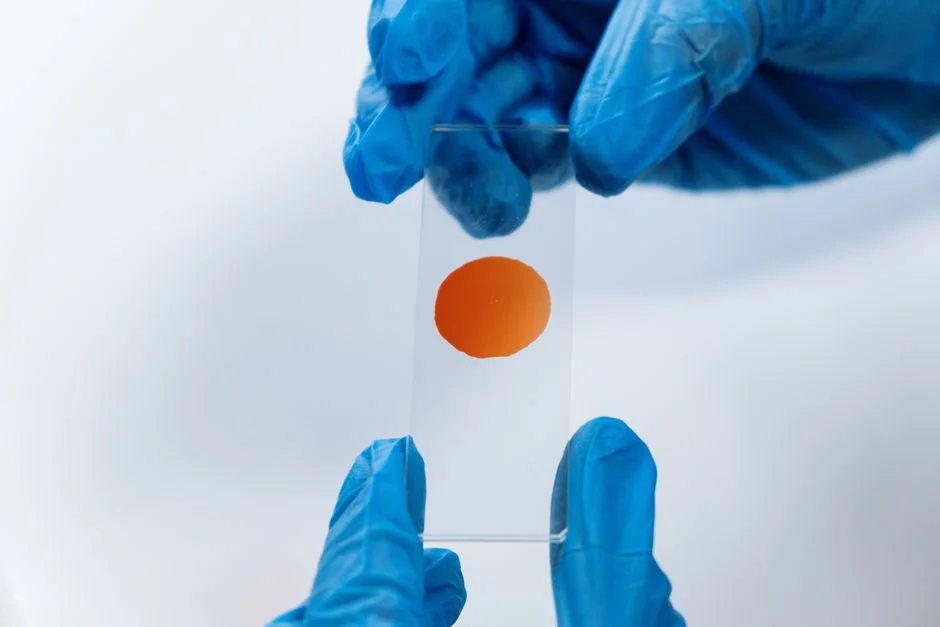
The placenta-on-chip works by culturing human trophoblast and endothelial cells within a flexible polymer device roughly the size of a thumb drive. Microfluidic channels running through the chip allow researchers to introduce drugs and observe how the placental barrier responds in real time. This approach offers a level of precision that animal models cannot match, since animal placentas function differently from their human counterparts. The research team, working out of an Indian institute, spent over three years refining the cell combinations and flow rates that produce realistic placental behavior.
Pharmaceutical companies currently spend an estimated 18 to 24 months conducting pre-clinical safety assessments for drugs that may be used during pregnancy. A significant portion of that time involves animal studies that often fail to predict human outcomes accurately. The new chip technology could compress that timeline considerably, potentially saving companies millions in failed trials and unnecessary testing phases. Several major drugmakers have already expressed interest in licensing similar organ-on-chip platforms for their own research pipelines.
Why US Pharmaceutical Firms Are Watching Closely
The United States represents the world's largest market for pharmaceutical research and development, with annual spending exceeding $80 billion. Drugmakers operating in this space have a substantial commercial incentive to improve pregnancy-related safety testing, given that roughly 90 percent of medications lack sufficient data on fetal effects. This gap leaves manufacturers exposed to costly litigation and limits the options available to pregnant patients, a demographic that has historically been underrepresented in clinical trials.
Organ-on-chip technology addresses several of these concerns simultaneously. By using human cells, the platform generates data that is more directly applicable to clinical outcomes than information gathered from animal subjects. This could prove especially valuable for biotech startups developing treatments for rare pregnancy complications, where patient recruitment for trials is exceptionally difficult. Companies that adopt the technology early may gain a competitive edge in bringing safer, more targeted therapies to market faster than rivals relying on conventional testing methods.
Investment Landscape for Organ-on-Chip Technology
The broader organ-on-chip market remains relatively small but is expanding rapidly. Global revenue for these devices was valued at approximately $110 million in 2022, according to industry reports, and is projected to grow at a compound annual rate exceeding 25 percent through the end of the decade. Venture capital firms have taken notice, with several dedicated funds now targeting startups working on human-relevant testing platforms. Major pharmaceutical corporations including Pfizer and Johnson & Johnson have already struck partnerships with organ-on-chip developers to integrate the technology into their standard research workflows.
Indian research institutions have historically served as contract research organizations for global pharmaceutical companies, offering lower costs and large pools of skilled scientists. The new placenta-on-chip development positions Indian labs to capture a larger share of this growing market. If the technology proves commercially viable, it could attract foreign investment into India's biotech sector and create high-skilled employment opportunities that currently cluster around Western research hubs. Singapore and South Korea have made similar plays for organ-on-chip research investment, creating regional competition for leadership in the field.
Regulatory Hurdles and Approval Pathways
Despite the scientific promise, organ-on-chip technology still faces significant obstacles before widespread adoption. Regulatory agencies, including the US Food and Drug Administration, have yet to establish formal guidelines for incorporating chip-based data into drug approval submissions. The FDA has run pilot programs exploring how to evaluate these new testing methods, but clear standards remain under development. Until regulators provide explicit pathways for chip-derived evidence, pharmaceutical companies will likely continue treating the technology as supplementary rather than substitutive for traditional pre-clinical studies.
Technical limitations also persist. Current chips can replicate specific placental functions, but no existing model captures the organ's full complexity across all trimesters of pregnancy. Researchers acknowledge that the devices are useful for answering narrow questions about drug permeability rather than providing comprehensive safety profiles. Scaling production to meet industrial demand while maintaining consistent quality across batches presents another engineering challenge that laboratories must resolve before the technology becomes routine in drug development pipelines.
What Comes Next for Placenta-on-Chip Research
The Indian research team plans to publish its full methodology in a peer-reviewed journal, a step that will allow other scientists to attempt replication and validation of the findings. Independent confirmation is essential for establishing credibility with both regulators and potential commercial partners. The researchers are also exploring whether the chip platform can be adapted to model placental dysfunction associated with conditions like preeclampsia, which affects roughly 5 to 8 percent of all pregnancies globally and currently has no cure beyond early delivery.
Several US hospitals and academic medical centers have launched their own placenta-on-chip programs, suggesting the technology is gaining traction across multiple research communities. Whether these parallel efforts will converge into standardized platforms or diverge into proprietary systems depends largely on intellectual property decisions made in the coming months. The race to secure patents and licensing agreements in the organ-on-chip space is intensifying, with investment flowing into both academic spinouts and established biotech firms.
Watch for the FDA's next update on guidance for human-relevant testing technologies, expected later this year. That document will signal whether regulatory barriers for organ-on-chip adoption are set to ease—and whether the pharmaceutical industry's interest in India's placenta breakthrough translates into actual commercial contracts.
See Also
- Fenerbahçe Reinstates Skriniar and Semedo in Key Match
- Dua Lipa Sues Samsung Over Brand Mockery — Market Watch
Major pharmaceutical corporations including Pfizer and Johnson & Johnson have already struck partnerships with organ-on-chip developers to integrate the technology into their standard research workflows. Regulatory Hurdles and Approval Pathways Despite the scientific promise, organ-on-chip technology still faces significant obstacles before widespread adoption.