A new generation of wearable devices capable of measuring real-time sweat composition has pushed the hydration monitoring market past $2.8 billion in 2024, attracting venture capital and consumer electronics giants alike. The technology, which assigns users a personal "sweat score" based on electrolyte loss and hydration levels, is reshaping how athletes, employers, and healthcare providers approach fluid intake. Startups in San Francisco and Shenzhen are now racing to embed the sensors into smartwatches, while established sports drink brands are acquiring hydration analytics platforms to stay ahead of the curve.
The Science Behind the Score
Sweat analysis technology uses non-invasive sensors to measure sodium, potassium, and chloride concentrations in real time. Rather than estimating hydration through heart rate or skin temperature alone, these devices provide a direct window into the body's electrolyte balance. Companies like Dexcom and Abbott have led the medical-grade sensor market, but a wave of consumer-focused startups has brought the technology to wrist-worn devices priced between $150 and $400.
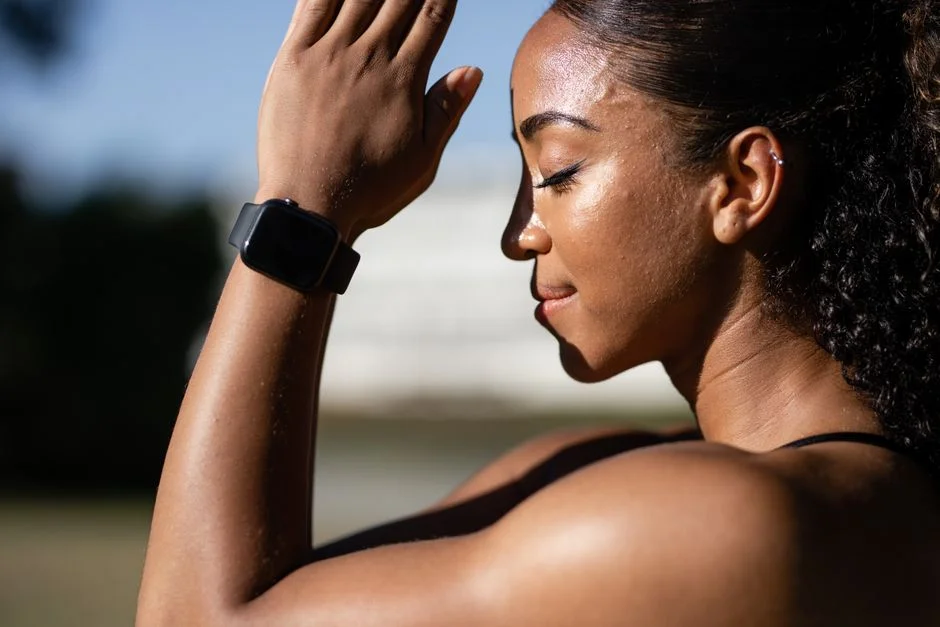
"The sweat score is essentially a biometric shortcut," said Dr. Emily Nakamura, a sports physiologist at Stanford University. "It tells you what your body is actually losing, not just how hard you're working." The metric has gained particular traction among marathon runners, military personnel, and industrial workers exposed to extreme heat.
Market Growth and Investment Flows
Venture capital funding for hydration monitoring startups reached $680 million in the first three quarters of 2024, according to data from PitchBook. That figure exceeds the total for the previous two years combined. The largest deals include a $180 million Series C round for Seattle-based Hydration Labs and a $95 million investment in Hyderabad's FluidSense Technologies, which focuses on workplace hydration monitoring for construction and warehouse workers.
The sports beverage industry has taken notice. PepsiCo, the owner of Gatorade, announced a strategic partnership with two wearable manufacturers in July to integrate sweat score data into its hydration coaching app. The move signals how consumer goods companies view data services as a competitive edge over private-label and emerging drink brands.
Industrial and Workplace Applications
Beyond fitness enthusiasts, employers in high-heat industries are deploying hydration monitoring systems to reduce heat-related illness and lost productivity. Mining companies in Western Australia have equipped underground workers with sensor-enabled wristbands, while a major logistics firm in Atlanta now requires delivery drivers to use hydration trackers during summer months. These deployments are driving bulk orders that startups say will become the backbone of their revenue by 2026.
Insurance companies are also entering the picture. Several health insurers in the United States now offer premium discounts for policyholders who consistently maintain hydration scores above a specified threshold, citing data showing reduced claims for kidney stones, heat exhaustion, and cognitive fatigue.
Consumer Adoption and Retail Landscape
Best Buy reported a 34 percent increase in hydration tracking device sales during the second quarter of 2024, outpacing growth in standard fitness wearables. The electronics retailer has created a dedicated "Hydration Tech" section in stores, a category that did not exist two years ago. Amazon's marketplace has seen over 200 new brands enter the segment since January, with price points spanning from $25 basic trackers to $500 professional-grade systems.
Consumer response has been particularly strong in states with extreme summer heat. Arizona, Nevada, and Texas account for 28 percent of hydration wearable purchases in the United States, according to market research firm NPD Group. The correlation between climate and adoption suggests the technology is moving from niche fitness tool to mainstream health device.
Regulatory Questions and Data Privacy
The rapid commercialisation of sweat analysis technology has outpaced regulatory clarity. The FDA has not yet issued formal guidance on consumer-grade hydration sensors, creating uncertainty about what health claims manufacturers can make. Medical device executives have urged the agency to establish standards before misleading products damage consumer trust. Meanwhile, privacy advocates are raising concerns about the granular biometric data these devices collect, store, and share with third parties.
The American Medical Association has called for independent validation studies before insurers tie coverage or discounts to specific sweat score ranges. "We need peer-reviewed evidence linking these scores to meaningful health outcomes," said Dr. Marcus Webb, the AMA's digital health advisor.
What Comes Next
The next phase of development focuses on integration. Manufacturers are working to combine hydration sensing with continuous glucose monitoring, sleep tracking, and stress analysis into a single wearable device. Apple, Google, and Samsung are all reportedly developing sweat analysis capabilities for future smartwatch generations, according to supply chain sources in Taiwan.
For investors, the hydration tech sector offers exposure to a broader wearables market that analysts project will reach $70 billion globally by 2028. The differentiation factor is clear: standard step counters and heart rate monitors face commoditisation pressure, while biometric sensors like sweat analysis provide a premium value proposition that justifies higher price points. Venture firms are already circling the space for 2025 funding rounds, betting that the next breakthrough will make hydration tracking as ubiquitous as counting calories.
See Also
- Republicans Split on Trump Ballroom Funding — Markets Brace for Impact
- Yoco Partners with European Fintech Architect to Transform Africa's Financial Landscape
The correlation between climate and adoption suggests the technology is moving from niche fitness tool to mainstream health device. Regulatory Questions and Data Privacy The rapid commercialisation of sweat analysis technology has outpaced regulatory clarity.
What is the latest news about sweat score wearables spark 28b investment wave in hydration tech?
Why does this matter for telecommunications?
What are the key facts about sweat score wearables spark 28b investment wave in hydration tech?