Investors across major financial centres reported heightened anxiety this week as economic indicators pointed toward mounting uncertainty, with market analysts warning that conditions could shift rapidly in the coming months. The combination of persistent inflationary pressures and shifting monetary policy signals has created what traders describe as a murky outlook for portfolios on both sides of the Atlantic.
Volatility Returns to Trading Floors
Trading volumes spiked on major exchanges as institutional investors began repositioning assets in response to conflicting signals from central banks. In New York, the S&P 500 experienced its sharpest two-day swing in recent weeks, while London's FTSE 100 struggled to maintain momentum amid sector-specific selling. Market participants noted that the usual safe-haven flows into government bonds have become less predictable, adding another layer of complexity to portfolio management decisions.
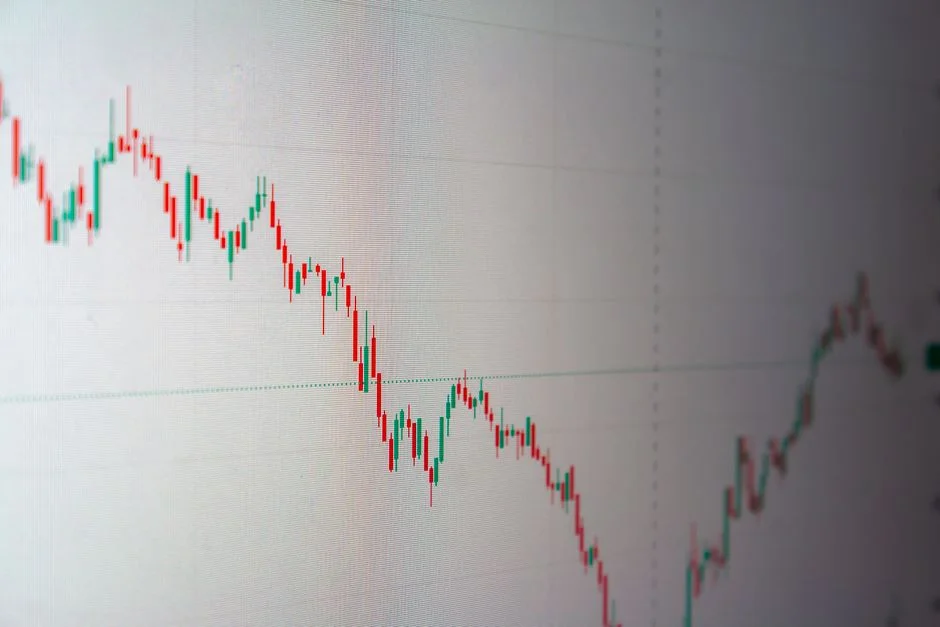
"We are seeing a classic risk-off environment take hold," noted a senior strategist at a major investment bank based in Manhattan. "Clients are asking hard questions about exposure management, and rightly so." The comments, made during a client call on Wednesday, reflect growing unease throughout the financial services industry.
Corporate Balance Sheets Under Scrutiny
Earnings season has done little to calm nerves. Several large multinationals issued cautious forward guidance last week, citing input cost volatility and demand uncertainty in key markets. Companies in the manufacturing and consumer goods sectors appeared particularly exposed, with supply chain disruptions continuing to squeeze margins despite moderating shipping rates.
Small and medium-sized enterprises face an especially challenging environment. Banks surveyed by industry groups indicated a tightening of credit standards for business lending in the third quarter, suggesting that access to capital is becoming more restricted for firms that lack strong collateral or proven cash flow.
Regional Divergence Emerges
Not all markets are experiencing the same degree of turbulence. Regional differences have become more pronounced, with stronger economic data from certain areas providing relative shelter for investors with concentrated exposure. The divergence has complicated benchmark allocation decisions for fund managers who typically weight positions across broad market indices.
Central Bank Communications under the Microscope
Every word from central bank officials carries outsized weight in the current environment. Recent statements from policymakers have been dissected by markets seeking hints about the trajectory of interest rates. The communication challenge is significant: officials must balance the need to maintain credibility with the reality that economic conditions remain highly fluid.
The upcoming policy meetings scheduled over the next six weeks are now viewed as critical inflection points. Futures markets have priced in elevated probability of further adjustments, though the exact magnitude remains a subject of active debate among economists. This uncertainty itself has become a market-moving force.
Currency Markets Reflect the Tension
Foreign exchange markets have mirrored the broader anxiety, with unusual volatility in traditionally stable currency pairs. Traders reported that liquidity in certain market segments has become thinner than normal, amplifying price swings when large orders are executed. This dynamic has put increased pressure on risk management systems at financial institutions.
The movements have implications beyond the trading floor. Companies with significant international revenue face unpredictable earnings translation effects when reporting results, complicating investor relations efforts and budget forecasting.
What Comes Next
The path forward remains unclear. Several events on the calendar could shift market dynamics substantially, including scheduled releases of employment data and preliminary estimates of economic growth. Corporate earnings guidance will continue to provide real-time signals about business conditions on the ground.
For now, market participants are adapting to a period where traditional assumptions about correlation and stability are being tested. Portfolio managers are reviewing hedging strategies, while corporate treasurers are reassessing cash management approaches. The consensus, where one exists, points to a period of heightened vigilance rather than complacency.
Watch for updated survey data from business confidence indexes over the next two weeks. Those figures will offer the next clear read on whether economic sentiment is stabilising or deteriorating further.
See Also
- Google Sparks Innovation Push with System Update and Sundar Pichai Meeting
- Critical Security Flaws Hit Chrome, UniFi, macOS — Enterprises Face Urgent Response