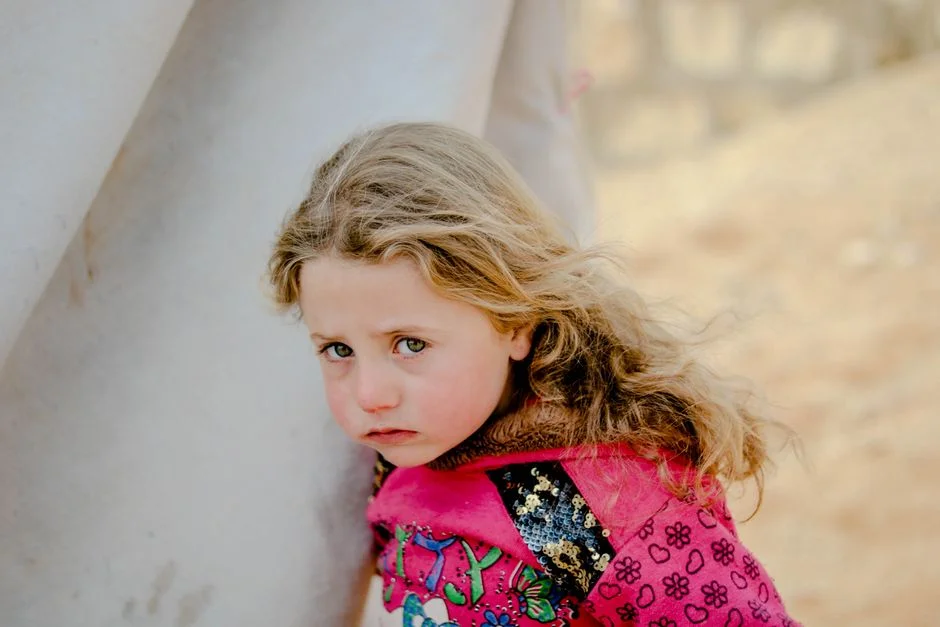
An Israeli drone strike hit a designated safe zone in Mawasi, Gaza on Tuesday, killing a young girl and wounding several others, according to local health officials. The attack occurred near Khan Younis in the southern Gaza Strip, an area repeatedly declared a humanitarian protection zone by Israeli authorities. Palestinian medics transported the wounded to a field hospital in the area, where staff reported overwhelmed facilities and critical supply shortages.
Safe Zone Designation Under Scrutiny
Mawasi has been repeatedly identified as a displacement camp for Palestinians fleeing northern Gaza operations. Israeli military statements have described the zone as an area where civilians should congregate for their protection. The strike raises immediate questions about the viability of such designations and whether they provide meaningful safety guarantees. Hamas officials condemned the attack, calling it evidence that no area in Gaza remains secure.
Humanitarian Operations Face Fresh Disruptions
Aid organisations working in southern Gaza confirmed the strike complicates an already fragile logistics network. The United Nations Office for the Coordination of Humanitarian Affairs reported that access corridors into Mawasi have become increasingly unpredictable over recent weeks. Drivers delivering food and medical supplies now face extended detours, adding hours to routes that already stretch supply chains to breaking point.
The International Committee of the Red Cross declined to comment on specific military operations but stated that protected zones must be respected under international humanitarian law. The organisation confirmed its teams remain active in the area and are monitoring the situation closely.
Supply Chain Bottlenecks Deepen
Humanitarian sources in Rafah described a compounding crisis. Truck convoys carrying flour, medicine, and fuel must now navigate routes that local drivers describe as unpredictable. One logistics coordinator told local media that empty return trips are becoming harder to organise because drivers fear entering certain zones. The cumulative effect is fewer supplies reaching civilians in areas like Mawasi, where populations have swelled as people moved south seeking safety.
Economic Consequences Extend Beyond the Region
Crude oil futures climbed 1.2 percent on Tuesday following reports of the strike, with traders citing renewed concerns about supply disruptions through the Strait of Hormuz. Analysts at commodity trading desks noted that any escalation in Gaza carries potential implications for Persian Gulf transit routes, though they emphasised that current production levels remain stable. The link between events in Gaza and broader energy market movements illustrates how localised conflicts can quickly become investor concerns.
Insurers covering vessels transiting the eastern Mediterranean have begun adjusting risk assessments, according to shipping industry sources. Lloyd's of London market reports from last week indicated a modest uptick in war risk premiums for certain routes, though coverage remains widely available. Companies with supply chain exposure to the region are reviewing contingency routing options, executives confirmed to trade publications.
Reconstruction Costs Continue to Mount
The World Bank's latest damage assessment for Gaza, published in January, estimated reconstruction needs at more than $18 billion. That figure predates several months of continued conflict and would require substantial international donor commitments that remain deeply uncertain. Economists tracking the situation note that each incident of civilian harm adds political friction to any eventual peace settlement, potentially delaying the stable environment needed for private investment to return.
Neighbouring Egypt has voiced concern about spillover effects on its Sinai economy. Cross-border trade through the Rafah crossing has been severely disrupted, affecting small businesses on both sides. Egyptian officials have repeatedly called for international pressure to reopen commercial routes, so far without results.
Investor Sentiment and the Ceasefire Calculus
Financial markets have shown sensitivity to ceasefire negotiations, with equity indices in Tel Aviv and regional exchanges reacting to diplomatic developments. Qatar-based investment funds with holdings across Middle Eastern markets have increased monitoring of humanitarian newsfeeds alongside traditional political risk indicators. One fund manager, speaking on condition of anonymity, said civilian harm incidents tend to complicate the messaging environment around peace talks.
Diplomatic sources in Cairo indicated that Qatari and Egyptian mediators have been in contact with both parties following recent incidents. The focus of those discussions, according to officials familiar with the contacts, centers on maintaining the minimum conditions for continued indirect negotiations rather than advancing toward a comprehensive agreement.
What Comes Next
Israeli military officials said they were reviewing the incident and would issue findings through their standard investigative process. The timeline for that review remains unclear, though such investigations typically take weeks or months. Families of victims in Mawasi said they had received no direct communication from military authorities as of Wednesday.
Humanitarian organisations are preparing contingency plans for reduced access to southern Gaza, should conditions deteriorate further. Donors supporting UNRWA, the main UN agency operating in the territory, are scheduled to review funding commitments at a conference in June. Any further deterioration in civilian conditions could complicate those fundraising efforts, agency officials indicated.
Oil traders will watch for any signs that commercial shipping routes face renewed disruption. For now, markets are pricing in elevated risk without major supply shocks, analysts noted. The next 72 hours of diplomatic activity, if any, will likely determine whether that assessment holds.
See Also
- Champion Hacker Warns AI Tools Like Mythos Will Drive Businesses to Compete Harder
- Google Launches Fitbit Air — Wearable Market Shifts
What is the latest news about israeli strike kills girl in gaza safe zone markets brace for regional fallout?
Why does this matter for environment?
What are the key facts about israeli strike kills girl in gaza safe zone markets brace for regional fallout?