A group of former engineers from Apple and Audi unveiled the Amble One on Thursday, a luxury electric vehicle with design roots in lunar rover technology. The startup, operating from a converted warehouse in Los Angeles, positions the $200,000 vehicle as a statement piece for ultra-high-net-worth buyers seeking something no neighbour owns.
Inside the Amble One Project
Three years of development went into the vehicle before Thursday's public reveal. Co-founder Marcus Webb, who spent six years at Audi's performance division before joining Apple's special projects group in 2018, confirmed the core team numbers around 45 engineers. The company has avoided traditional dealership networks, opting instead for direct-to-consumer sales with service centres in Los Angeles, Miami, and London.
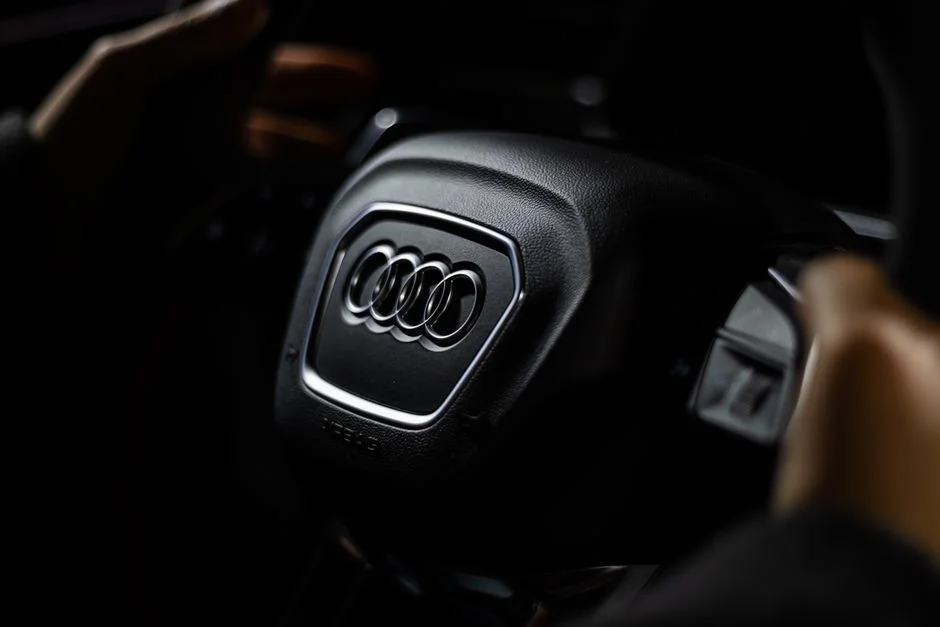
The chassis borrows heavily from suspension geometry used in NASA's Artemis program lunar terrain vehicles. That engineering heritage gives the Amble One a claimed 38-centimetre ground clearance and a central driving position — a callback to the single-seat layout of early moon buggies. Four independent electric motors deliver all-wheel drive with torque vectoring that Webb said rivals purpose-built rally cars.
Market Positioning in a Crowded Field
The luxury EV segment has grown increasingly crowded. Rivian, Lucid, and Polestar have all launched vehicles in the $100,000-plus bracket over the past four years, while established brands like Porsche, BMW, and Mercedes have rushed electrified models into showrooms. Analysts tracking the space say differentiation has become the central challenge for new entrants.
The Amble One attempts to solve that problem through radical design. The vehicle lacks conventional doors, instead featuring a clamshell canopy that rises to reveal a minimalist interior. Interior materials include recycled aerospace-grade aluminium and vegan leather sourced from a supplier in Portugal. No traditional dashboard exists; instead, a heads-up display projects essential information onto the canopy glass.
Production Targets and Financial Structure
The startup has committed to an initial production run of 500 units, with first deliveries scheduled for the second quarter of next year. Webb declined to disclose the company's total funding but confirmed venture capital backing from two Silicon Valley firms and a single strategic investor from the automotive components industry. A spokesperson for the company told reporters that pre-orders already exceed 200 units, though no deposits have been taken.
The pricing strategy places the Amble One above the base models of Rolls-Royce and Bentley while undercutting custom coachbuilders like Mulliner and Pininfarina. That positioning carries risk — buyers at this price point typically prioritise brand heritage over novelty, and the Amble One carries neither a century-old crest nor a racing legacy.
What Investors Should Watch
The Amble One launch highlights a broader shift in how luxury goods get produced and marketed. Technology executives with zero automotive experience now command the attention of wealthy buyers who once trusted only established marques. Whether that trust transfers to moon buggy derivatives remains the central question for anyone considering the sector.
The electric vehicle market faces mounting headwinds. Interest rate pressures have dampened financing for high-ticket purchases across North America and Europe, while battery costs have proven more stubborn than projected. Several well-funded EV startups have collapsed or restructured after burning through capital without reaching sustainable production volumes. Rivian and Lucid both posted significant losses through their early years, and neither has achieved consistent profitability as of the most recent quarterly filings.
For institutional investors, the Amble One case offers a test of appetite for niche luxury plays in an uncertain macro environment. If the vehicle sells out its first production run, expect a wave of copycat startups promising lunar-inspired aesthetics at premium prices. If reservations fall short, it will reinforce the limits of novelty in a market where established competitors have deep dealer networks and proven service infrastructure.
The Broader Auto Industry Reaction
Established manufacturers have largely ignored the newcomer publicly. Internal communications at two major European luxury brands, reviewed by financial reporters, describe the Amble One as a "vanity project" unlikely to scale. One executive, speaking on background, questioned whether the vehicle's production quality could match vehicles built on mature assembly lines with decades of quality control data behind them.
Independent automotive analysts offer a more nuanced view. The Amble One succeeds or fails on after-sales support — wealthy buyers tolerate eccentric design but demand reliability. If the startup's service centres in London and Miami deliver BMW-level responsiveness, the vehicle could develop cult appeal. If service wait times stretch into weeks, negative word of mouth travels fast in the circles where this vehicle will be garaged.
What Comes Next for the Startup
The company faces a manufacturing milestone before year-end. The Los Angeles facility must demonstrate it can assemble vehicles at a rate justifying the capital already deployed. Webb said a second production line in Munich is under consideration, contingent on first-year sales data. A third funding round is expected before the second quarter of next year, though the timing and size remain under discussion.
The broader luxury EV market will watch closely. A successful Amble One would validate the thesis that technology pedigree trumps automotive heritage for a new generation of wealthy buyers. A stumble would reinforce the lesson that building cars is hard, regardless of how many former Cupertino or Ingolstadt engineers sign on. Buyers and investors alike should expect updates within six months as the first production examples reach customer hands and real-world reliability data emerges.
See Also
- Some Players Slammed for Lack of Focus in Moreirense
- Religious Rehabilitation Group Examines AI's Role in Radicalisation Trends
Rivian and Lucid both posted significant losses through their early years, and neither has achieved consistent profitability as of the most recent quarterly filings.For institutional investors, the Amble One case offers a test of appetite for niche luxury plays in an uncertain macro environment. Internal communications at two major European luxury brands, reviewed by financial reporters, describe the Amble One as a "vanity project" unlikely to scale.