A new smartphone called the iCaur 03T has entered the market with a design and feature set that mirrors the iPhone so closely that consumers and investors are taking notice. The device, priced significantly below Apple's flagship, arrives as the global smartphone market grows increasingly competitive. Apple now faces a rival that has stripped away several of its premium differentiators and is selling them at a fraction of the cost.
What the iCaur 03T Actually Offers
The iCaur 03T comes equipped with a 6.1-inch display, a glass back panel supporting wireless charging, and a display notch housing front-facing cameras and sensors. These three elements replicate core iPhone design choices that Apple has used across multiple product generations. The device runs a custom operating system that supports many of the same gestures and interface conventions iPhone users recognise. In markets where it has launched, the iCaur 03T is being marketed as a direct alternative for consumers who want the iPhone aesthetic without the Apple price tag.
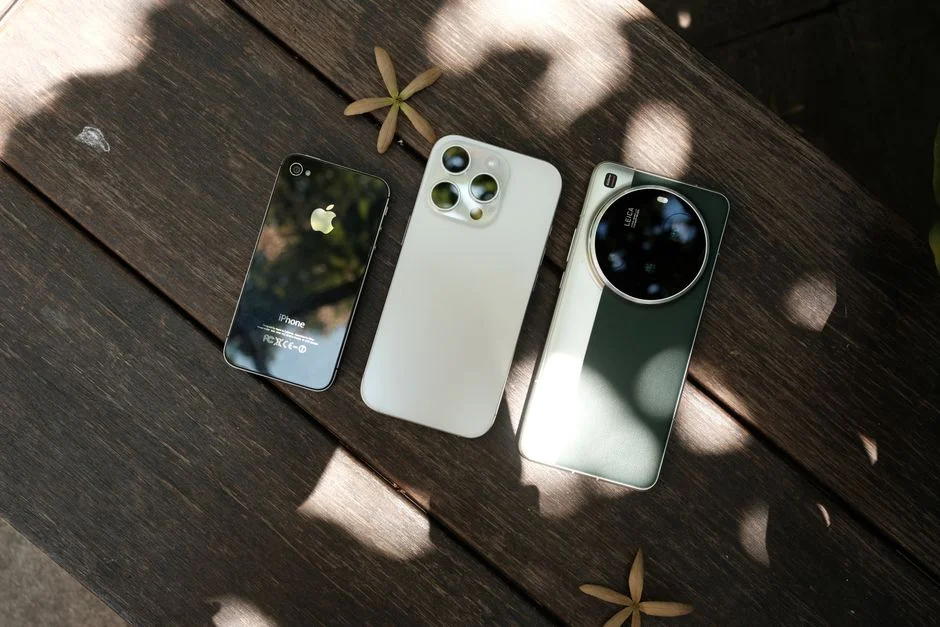
The pricing strategy is aggressive. At a retail point well under $400, the iCaur 03T undercuts the entry-level iPhone 16 by a wide margin. For budget-conscious consumers in the United States and across Europe, this creates a meaningful alternative that previously did not exist at this level of finish and feature parity.
Why This Matters for Apple's Business
Apple's revenue model depends heavily on the iPhone. The company reported iPhone revenue of $200.7 billion in its last fiscal year, representing roughly half of total company revenue. When a competitor launches a device that delivers comparable design language and essential features at a dramatically lower price, it directly threatens the premium pricing model Apple has defended for years.
The Premium Pricing Model Under Pressure
Apple has successfully positioned itself as a luxury technology brand, justifying higher prices through ecosystem lock-in, build quality, and brand prestige. The iCaur 03T tests whether those arguments hold when a third-party manufacturer offers a near-identical physical product. If consumers begin to see the iPhone as one option among many with similar appearances, Apple's ability to command a price premium weakens. That carries direct implications for margins, which already face pressure from rising component costs and supply chain constraints.
The broader economic picture also matters. Consumer spending power in key markets including the United States remains uneven. Many buyers who once purchased iPhones as default choices are now making more deliberate decisions. A device that looks and feels comparable but costs less fits neatly into that shift in purchasing behaviour.
Market Reaction and Investor Concerns
Apple shares dipped slightly in early trading following reports of the iCaur 03T launch, though the decline was modest. Analysts pointed to the device's availability in Southeast Asian markets first as a limiting factor for immediate impact on Apple's revenue. However, several firms noted in client notes that the trajectory of these copycat devices has historically expanded over time.
Investors are watching whether the iCaur 03T signals a new phase of competition. For years, Android competitors challenged Apple on software features and camera technology. The iCaur approach is different: it targets the physical identity of the product itself. That carries a different kind of risk, because it questions whether the iPhone's visual and tactile design is truly unique or simply a template that others can replicate.
Supply Chain and Manufacturing Context
The iCaur 03T is manufactured by a company with supply chain operations based in Shenzhen, a city that serves as the global hub for consumer electronics assembly. The facility produces components for multiple brands, and the economies of scale achieved there allow manufacturers to replicate premium designs at costs that would be impossible in higher-cost production environments.
This manufacturing advantage is not new. Shenzhen-based firms have long produced devices across all price tiers. What changes with the iCaur 03T is the degree of intentional alignment with Apple's specific design language. The wireless charging capability alone requires careful engineering of the glass back panel and internal coil placement, processes that mirror Apple's own manufacturing methods.
What Apple Can Do in Response
Apple has several levers available. The most immediate is accelerating its product cycle, releasing new features that differentiate upcoming iPhone models from anything the iCaur 03T offers. The company has historically maintained an innovation lead in areas such as processor performance, computational photography, and software integration. Doubling down on these strengths while the physical design becomes more widely available elsewhere is a defensible strategy.
Pricing adjustments are also possible. Apple has shown willingness to offer older iPhone models at reduced prices when market conditions demand it. Extending that approach, or introducing a genuinely entry-level iPhone variant, could blunt the iCaur 03T's appeal on price without sacrificing the premium tier. However, such a move would represent a cultural shift for a company that has historically resisted racing to the bottom.
What Investors and Industry Observers Should Watch
The iCaur 03T is currently available in a limited set of markets. How quickly it expands, and whether it gains distribution in the United States or Western Europe, will determine the scale of competitive pressure Apple faces. A broader rollout would force Apple's hand more decisively.
Consumer reviews and long-term durability assessments will also shape the device's trajectory. Premium pricing has historically been justified not only by design but by longevity and resale value. If the iCaur 03T delivers reliable performance over two to three years, the economic argument for choosing it over an iPhone strengthens considerably.
Apple's next earnings call will be watched for any mention of competitive pressure from devices in the mid-range segment. How the company frames that threat, if it does so at all, will signal how seriously leadership views the iCaur challenge. Investors looking for early indicators should monitor supply chain reports for any changes in iPhone component orders, which often reflect updated demand forecasts before they appear in public statements.
See Also
- US Examines Iran Proposal, Stalling Peace Efforts — Economic Impacts Loom
- Ukraine's War Memes Boost Digital Ad Revenue by 25%
Investors looking for early indicators should monitor supply chain reports for any changes in iPhone component orders, which often reflect updated demand forecasts before they appear in public statements. See AlsoUS Examines Iran Proposal, Stalling Peace Efforts — Economic Impacts LoomUkraine's War Memes Boost Digital Ad Revenue by 25%
What is the latest news about icaur 03t is the iphone copy that should worry apple?
Why does this matter for politics-world?
What are the key facts about icaur 03t is the iphone copy that should worry apple?