The latest proposal from Iran has prompted the United States to pause its peace efforts, raising concerns about potential economic repercussions. In Washington, officials are carefully reviewing the details of Iran's offer, which could significantly influence international relations and financial markets. The deadlock comes at a critical time as both countries seek stability amid global economic shifts.
Background on Iran's Proposal
The proposal from Iran, presented earlier this month, aims to address longstanding issues between the two nations. However, the specifics remain confidential, and the U.S. government's response has been cautious. The negotiation process has been delicate, with both sides seeking to maintain a balance between strategic interests and economic considerations.
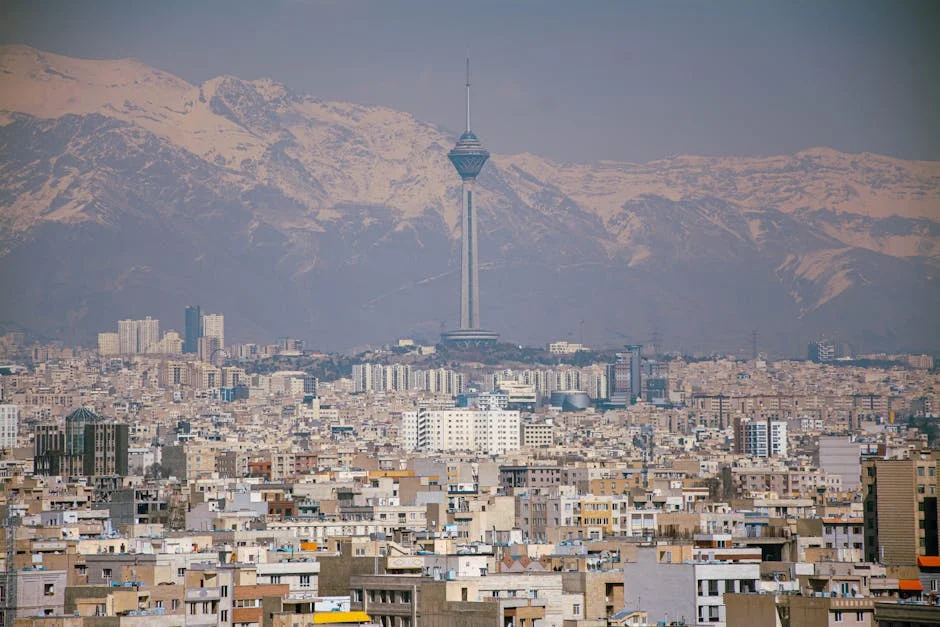
Washington's scrutiny of the proposal is indicative of the complexities involved in U.S.-Iran relations. The ongoing negotiations have previously seen setbacks, with each nation's economic policies heavily influencing the talks. The situation is further complicated by Iran's geopolitical significance and its impact on global oil markets.
Implications for Global Markets
The stalled peace efforts have already begun to affect global markets. Investors are closely watching developments, as any progress or regression in U.S.-Iran relations could lead to shifts in oil prices and broader market volatility. Tehran's role as a major oil producer means that any change in its economic or political stance can have global repercussions.
According to data from the International Energy Agency, Iran holds approximately 10% of the world's proven oil reserves. This makes its economic stability crucial for maintaining global oil supply chains. Any disruptions could lead to increased energy prices, affecting businesses and consumers worldwide.
Why Peace Matters for the Economy
Economic Stability and Investor Confidence
The potential for peace between the U.S. and Iran is not just a diplomatic concern; it has significant economic implications. Peace could lead to the lifting of sanctions, opening up Iran's markets to international trade and investment. This could bolster investor confidence and provide new opportunities for businesses looking to expand into the region.
Conversely, continued tension could deter investors and result in tighter market conditions. The uncertainty surrounding the negotiations may also lead to increased risk premiums, influencing borrowing costs and investment decisions globally.
Potential Business Opportunities
For businesses, a resolution to the U.S.-Iran stalemate could unlock new avenues for trade and collaboration. Industries such as energy, technology, and manufacturing stand to benefit from improved relations. Companies that can navigate the complexities of entering Iran's market may find lucrative opportunities in a post-sanctions environment.
The U.S. Chamber of Commerce has expressed interest in exploring business opportunities in Iran, should tensions ease. This sentiment reflects a broader interest among multinational corporations in tapping into Iran's consumer base and natural resources.
What to Watch Next
As the U.S. continues to evaluate Iran's proposal, the coming weeks will be crucial in determining the direction of peace efforts. Investors and businesses should monitor any statements or decisions from the White House and Tehran closely. Key dates to watch include upcoming diplomatic meetings and potential shifts in policy that could impact the global economic landscape.
In conclusion, the outcome of these negotiations will have far-reaching effects on markets, businesses, and the global economy. Stakeholders should stay informed and be prepared for potential changes in the economic environment.
Key dates to watch include upcoming diplomatic meetings and potential shifts in policy that could impact the global economic landscape.In conclusion, the outcome of these negotiations will have far-reaching effects on markets, businesses, and the global economy. This sentiment reflects a broader interest among multinational corporations in tapping into Iran's consumer base and natural resources.What to Watch NextAs the U.S.