A passenger ferry operating in the Black Sea was struck by a Ukrainian drone on Tuesday, Russia's Defense Ministry announced, hours after President Volodymyr Zelenskyy warned that Moscow was preparing a massive attack on Ukrainian territory. The incident marks a significant escalation in maritime hostilities and comes as Western allies assess the broader implications for regional security and global markets.
Ferry Struck Near Crimean Coast
The attack occurred as the ferry was travelling near the coast of Crimea, the peninsula Russia annexed in 2014. Russia's Defense Ministry stated in a briefing that its air defence systems intercepted the drone, but fragments still struck the vessel. The ministry did not disclose the extent of damage or casualties in the immediate aftermath. Ukrainian officials have not publicly confirmed the strike. The ferry reportedly operated on a route connecting mainland Russia to Crimea, a critical logistical link for the peninsula.
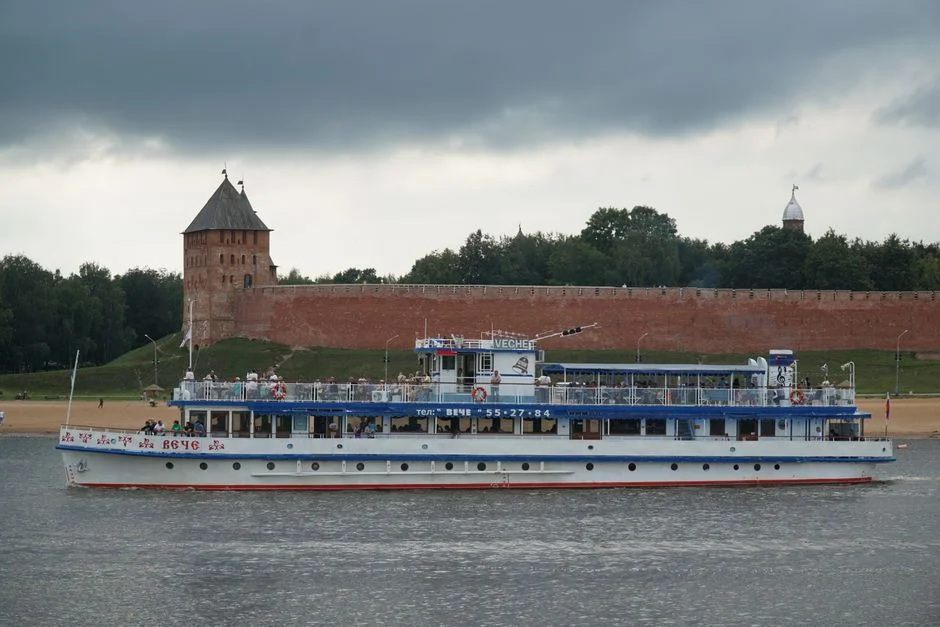
Footage circulating on Russian state media showed the vessel at port with visible damage to its superstructure. Local authorities in Sevastopol reported emergency services responding to the scene. The incident is the latest in a series of attacks on maritime infrastructure in the Black Sea since the conflict began.
Zelenskyy Warned of Imminent Threat
Earlier on Tuesday, Zelenskyy addressed the nation in an overnight video message, warning that Ukrainian intelligence had confirmed Russian plans for what he described as a massive attack. He did not specify the exact timing or target but urged citizens to take precautions. The warning preceded the ferry strike by several hours, raising questions about whether the two events were connected or part of a broader pattern of escalation.
Ukrainian military sources, speaking on condition of anonymity, said the drone operation was part of an ongoing campaign to disrupt Russian logistics in the Black Sea region. The sources did not confirm whether the operation was timed in response to any specific Russian activity. Zelenskyy's warning had been circulated among Western governments prior to its public release.
Russia Vows Response
Russian officials responded swiftly to the ferry strike, with Foreign Ministry spokesperson Maria Zakharova describing the attack as an act of terrorism against civilian infrastructure. The Kremlin indicated it would take proportionate measures in response but did not elaborate on specific plans. Defence officials in Moscow stated the attack would not go unanswered, echoing language used following previous Ukrainian strikes on Russian territory or assets.
The incident adds pressure on an already fragile security environment in the Black Sea, where both sides have targeted energy and shipping infrastructure throughout the conflict. Russia has previously suspended its participation in the Black Sea Grain Initiative, a deal brokered by the United Nations to allow Ukrainian grain exports, citing security concerns that Western officials dismissed as pretextual.
Black Sea Grain Corridor Under Strain
The ferry strike arrives at a sensitive moment for global food commodity markets. The Black Sea Grain Initiative, which facilitated exports of Ukrainian wheat, corn, and sunflower oil, collapsed last year after Russia withdrew. Ukraine has since developed alternative overland routes through Poland and Romania, but shipping costs remain significantly higher than the sea corridor provided.
Commodity traders are closely monitoring the situation. Disruptions to Black Sea shipping routes typically push up freight insurance premiums and can affect benchmark wheat prices. The United Nations Food and Agriculture Organization tracks these developments as part of its global food price index. Insurance industry sources noted that any expansion of hostilities to commercial shipping lanes would likely trigger immediate premium increases.
Western Allies Assess the Escalation
Western governments responded with measured statements. A spokesperson for the Pentagon said the United States was aware of the reports and continued to support Ukraine's right to self-defence. The spokesperson declined to comment on specific intelligence sharing arrangements. NATO Secretary-General Mark Rutte held emergency consultations with alliance members following the incident, according to a statement from NATO headquarters in Brussels.
The United Kingdom's Ministry of Defence issued an intelligence update confirming awareness of the ferry strike. British officials have been closely tracking developments in the Black Sea, where Royal Navy vessels have conducted freedom of navigation operations. The UK has provided Ukraine with maritime drone capabilities and training, a policy that Moscow has repeatedly condemned as direct participation in the conflict.
Sanctions and Diplomatic Pressure
The escalation complicates ongoing diplomatic efforts to broker a ceasefire. The United States and European Union have maintained sanctions pressure on Russia while providing military and financial support to Ukraine. A senior EU official, speaking in Brussels, said the bloc was reviewing the incident to determine whether it warranted additional sanctions designations.
Investor sentiment toward Eastern European markets showed caution in early trading. Warsaw's WIG20 index dipped modestly, while the Ukrainian hryvnia remained stable on interbank markets. Analysts at several European investment banks noted that escalating Black Sea hostilities typically increase risk premiums for emerging market assets in the region.
Energy Markets React
Oil prices edged higher on reports of the ferry strike, with Brent crude gaining $0.80 per barrel to trade above $78. The Black Sea region is a significant corridor for energy exports, and any sustained disruption to shipping affects global supply chains. Natural gas prices on European exchanges also showed modest gains, reflecting concerns about potential further escalation.
Russia remains a major exporter of crude oil and liquefied natural gas, while Ukraine transit routes for Russian gas to Europe have been largely severed since 2022. Market participants noted that the attack's proximity to key shipping lanes, even if it does not directly target energy tankers, introduces additional uncertainty into freight and insurance markets.
What Happens Next
Both sides appear to be preparing for an intensified period of hostilities. Ukrainian military officials indicated in internal assessments, cited by Reuters, that they expect continued Russian drone and missile activity targeting infrastructure. Russian officials have signalled that they view maritime strikes as justification for expanding their own operations.
International monitors, including the United Nations, have called for restraint. A UN spokesperson urged all parties to respect international humanitarian law and avoid targeting civilian infrastructure. The next 72 hours will be critical in determining whether the ferry strike represents an isolated incident or the beginning of a new phase in the conflict. Investors should monitor Black Sea freight rates, insurance premiums, and energy futures for signs of sustained market disruption.
See Also
- UK Institute Exposes AI Risks — Businesses Brace for Economic Fallout
- Coupang Forces US Trade Hand to Grip Tighter Than Ever
Natural gas prices on European exchanges also showed modest gains, reflecting concerns about potential further escalation.Russia remains a major exporter of crude oil and liquefied natural gas, while Ukraine transit routes for Russian gas to Europe have been largely severed since 2022. Analysts at several European investment banks noted that escalating Black Sea hostilities typically increase risk premiums for emerging market assets in the region.Energy Markets ReactOil prices edged higher on reports of the ferry strike, with Brent crude gaining $0.80 per barrel to trade above $78.
What is the latest news about russia claims ferry struck by ukrainian drone hours after zelenskyy warning?
Why does this matter for politics-world?
What are the key facts about russia claims ferry struck by ukrainian drone hours after zelenskyy warning?