More than 800,000 fireworks detonated over the National Mall in Washington on Thursday, marking the climax of America 250 celebrations with an unprecedented pyrotechnic display. The show, organized to honour a quarter-millennium of independence, drew hundreds of thousands of spectators to the capital despite stifling summer heat.
Massive pyrotechnic production
The scale of the display dwarfed typical Independence Day celebrations. Professional crews spent weeks mounting the elaborate rig, with fireworks shells arranged across multiple barges on the Potomac River and positions along the Mall's iconic green corridor. Each shell represented a precise calculation of cost, logistics, and timing.
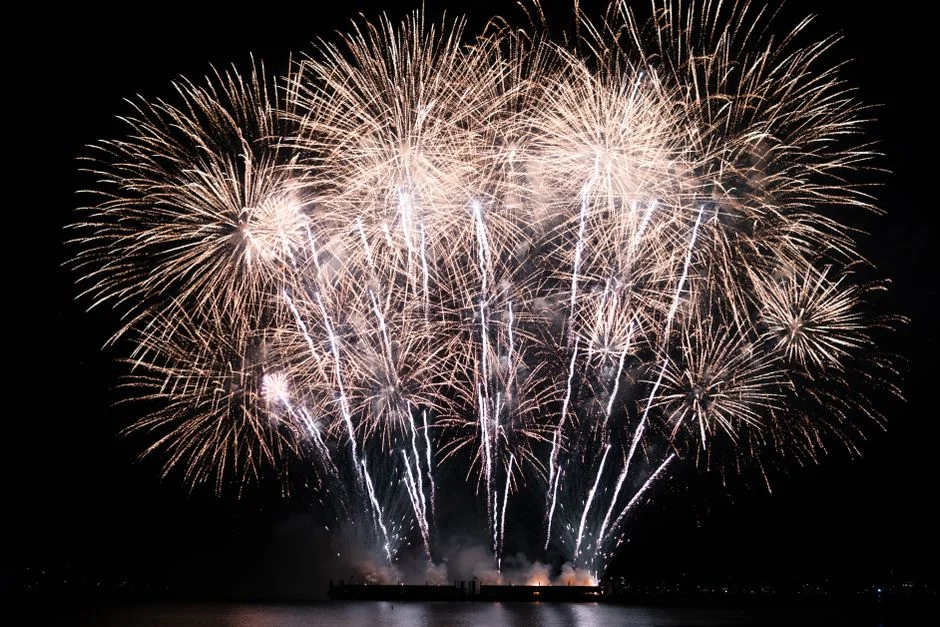
The fireworks industry operates on thin margins. Raw materials including perchlorate oxidisers and metal compounds have faced price pressure from global supply chain disruptions. Manufacturers of large-format shells — the kind that burst into the sprawling colour patterns seen over Washington — typically command premium prices per unit, especially for custom-cut sizes needed for a show of this magnitude.
Security and public investment
Federal agencies spent months coordinating the event. The Department of Homeland Security oversaw threat assessments and perimeter security. The National Park Service managed the Mall grounds, while local transit authorities rerouted bus and metro services to handle the crush of arrivals.
Security costs alone typically run into tens of millions for an event of this size. Private security contractors, emergency medical teams, and dedicated police units from multiple jurisdictions all required funding. The exact public expenditure figure has not been disclosed.
Revenue expectations for local businesses
Washington's hospitality sector stood to gain significantly from the holiday influx. Hotel occupancy rates in the downtown corridor approached full capacity, with average nightly rates climbing well above typical weekday levels. Restaurant reservations across Penn Quarter and Capitol Hill filled quickly in the days leading up to the show.
Local business groups had projected that the combined America 250 holiday and weekend travel could generate over $50 million in direct visitor spending for the metropolitan area. That figure accounts for lodging, dining, retail purchases, and transportation — money flowing directly into the regional economy.
Tourism sector rebounds
The America 250 celebration arrives as the capital's tourism industry continues recovering from years of disruption. Convention bookings have normalised, international visitor numbers have climbed back toward pre-2020 levels, and hotel development projects that stalled have resumed construction across the city.
Major attractions near the Mall reported strong foot traffic throughout the holiday week. The Smithsonian complex, the Capitol, and nearby monuments all saw extended hours to accommodate visitors. Tour operators offering walking tours and narrated bus excursions sold out premium slots days ahead of the event.
The fireworks supply chain
Behind the spectacle lies a specialised manufacturing sector. The United States imports the majority of its professional fireworks from China, though a small domestic industry produces specialty shells and provides competition for certain product lines. Trade tariffs imposed in recent years added costs that event planners have absorbed rather than passed on to municipalities.
Transportation of the products requires licensed pyrotechnicians and compliance with federal explosive materials regulations. The Bureau of Alcohol, Tobacco, Firearms and Explosives oversees licensing for storage and handling. Every shell in a show the size of Thursday's display must be accounted for from factory to firing tube.
Investment implications
Companies involved in large-scale entertainment production and logistics benefit from the trend toward bigger, more elaborate public celebrations. Investors tracking the sector have noted increased municipal budgets allocated to fireworks displays and related entertainment as cities compete for tourism dollars.
Consumer spending data released by the Commerce Department showed strong discretionary outlays on entertainment and hospitality during recent holiday periods. The America 250 celebrations fit into a broader pattern of increased spending on shared civic experiences — a trend that benefits ticket sellers, venue operators, and the vendors who supply them.
What to watch
Federal accounting of the America 250 expenditure is expected in the coming weeks. Congressional oversight committees may request briefings on security costs and coordination expenses. Meanwhile, city officials in Washington will assess the economic impact data to inform planning for future large-scale events.
Visitor satisfaction surveys from the National Park Service will gauge whether the celebration met public expectations. Those results could influence how future milestone events are budgeted and structured. For now, the pyrotechnic industry is already fielding inquiries about 2027 productions — the next major opportunity for cities seeking their own oversized sky shows.
See Also
- African Startups Redirect Focus as US AI Funding Declines by 40%
- H-1B Redditor Applies to 1,500 Jobs — Faces Hostility from Online Community