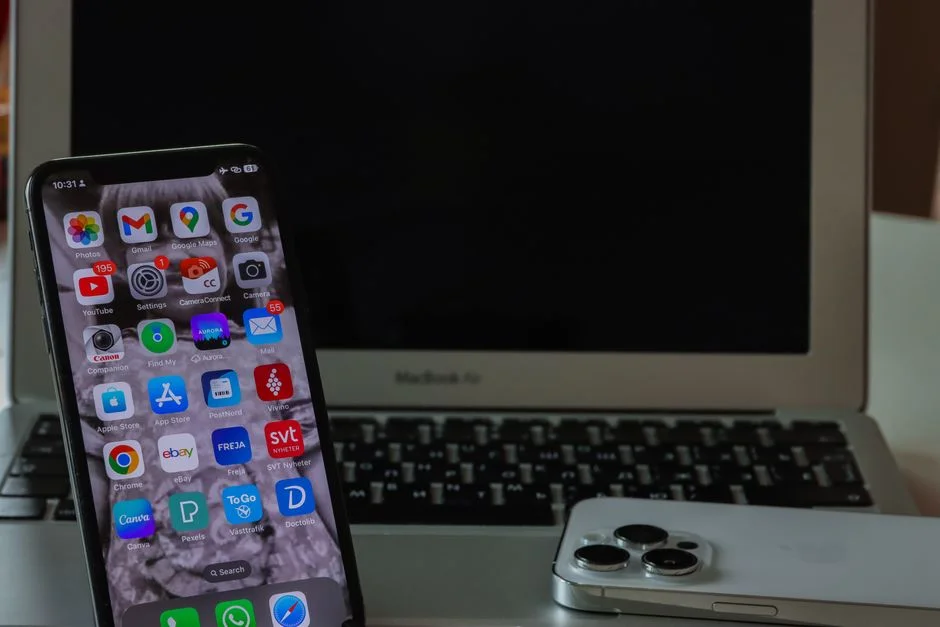
Apple confirmed the iPhone 18 Pro will hit stores in September, and the tech industry is already buzzing. The company announced the release date at an event in Cupertino that drew attention from investors and competitors alike. The timing puts Apple in direct competition with Samsung and Google's flagship launches scheduled for later this year.
Apple's Strategic Timing Shakes the Market
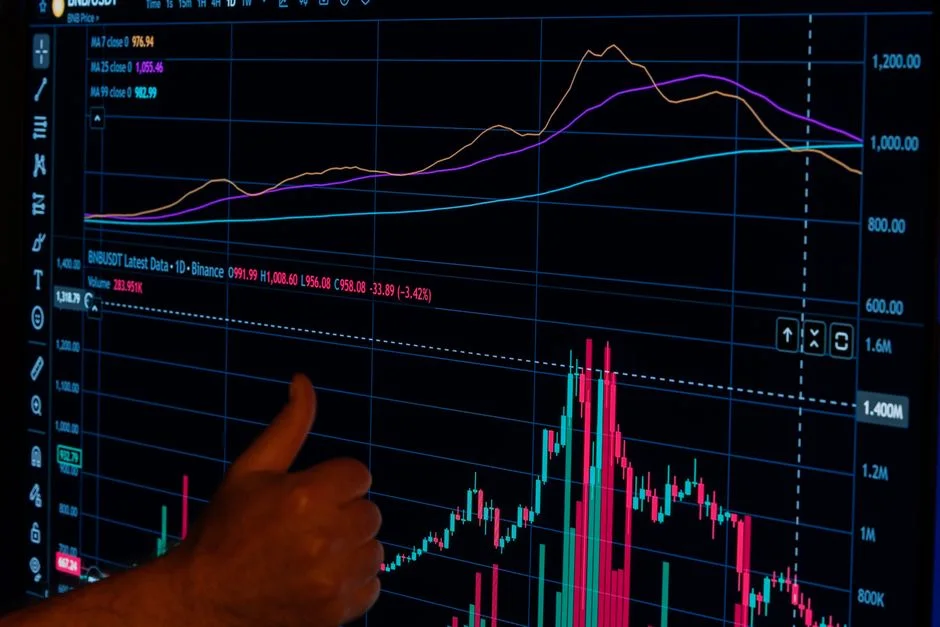
The September release aligns with Apple's traditional product cycle, but analysts say the move signals something deeper. Apple is positioning the iPhone 18 Pro to capture holiday spending while its rivals are still finalising their own roadmaps. Investors took notice immediately, with Apple's share price climbing 2.3 percent in after-hours trading following the announcement.
The company declined to comment on supply chain specifics, citing competitive sensitivity. However, industry sources suggest Apple secured priority chip allocations from TSMC months ahead of schedule, effectively locking out rivals from the most advanced manufacturing capacity.
What the iPhone 18 Pro Offers
Apple showcased several hardware upgrades aimed at professional users. The device features a new A19 chip with enhanced neural processing capabilities, an improved camera system with computational photography advances, and extended battery life. The company emphasised these upgrades during a presentation that lasted roughly ninety minutes.
The Pro model includes titanium framing and a larger display, differentiating it from the standard iPhone 18. Pricing details remain under wraps, but industry watchers expect the base model to start around $999, consistent with recent Pro releases.
The Android Counter-Strategy
Samsung and Google face mounting pressure. Both companies typically release their flagship devices in the autumn, meaning they will now compete directly with Apple's latest offering. Samsung's Galaxy S series and Google's Pixel lineup rely heavily on camera performance and AI features as differentiators.
The Android ecosystem has struggled to match Apple's ecosystem integration, a factor that continues to drive customer loyalty. Investment firms note that Apple's services revenue—streaming, payments, cloud storage—creates recurring income that Android manufacturers cannot replicate.
Economic Ripple Effects
The smartphone industry generates billions in revenue across component suppliers, carriers, and accessory manufacturers. Apple's purchasing power gives it significant leverage over suppliers, often meaning better pricing and priority access to new components. This dynamic puts pressure on Android manufacturers to differentiate through software and services rather than hardware specifications.
Consumer spending on smartphones represents a substantial portion of personal electronics expenditure in the United States. A new iPhone release typically triggers increased retail activity and carrier upgrade cycles. Economic analysts estimate the iPhone accounts for roughly 40 percent of global premium smartphone revenue.
Investment Implications
Wall Street reacted positively to Apple's announcement. The company's suppliers in Taiwan, South Korea, and the United States saw share price increases following the news. Foxconn, Apple's primary assembler, noted record demand forecasts in its most recent earnings call, though the company did not name specific customers.
Independent analysts project the iPhone 18 series could drive 10 to 15 percent revenue growth for Apple in the fiscal first quarter following release. That projection depends heavily on consumer demand and the broader economic environment heading into the holiday season.
What Comes Next
Pre-orders typically open two weeks before the official release date. Apple has not confirmed pre-order timing, but industry observers expect announcements within the next month. Carriers including Verizon, AT&T, and T-Mobile are expected to offer trade-in programmes and financing options to attract upgrade customers.
Investors should watch for Apple's supplier inventory reports and carrier partnership announcements in the coming weeks. The real test will come when sales data arrives in October and November. Android manufacturers have already begun scheduling their own product events, setting the stage for a competitive autumn in the premium smartphone market.
See Also
- Egipto Bans Import of 20% of Food Staples — and Prices Are Soaring
- UN Votes to Criminalise Slavery in Caribbean — and Global Markets React
Apple's purchasing power gives it significant leverage over suppliers, often meaning better pricing and priority access to new components. Economic analysts estimate the iPhone accounts for roughly 40 percent of global premium smartphone revenue.Investment ImplicationsWall Street reacted positively to Apple's announcement.