Law enforcement agencies are rapidly integrating three-dimensional scanning technology into their investigative workflows, a shift that is quietly reshaping the security technology market and attracting fresh attention from investors and hardware manufacturers alike.
The adoption of 3D scanners by Criminal Investigation Department officers marks a departure from traditional forensic methods that relied heavily on manual evidence collection and two-dimensional photography. These devices can capture detailed spatial data from crime scenes in minutes, preserving evidence that investigators can later examine from any angle without returning to the location.
The Technology Reshaping Crime Scenes
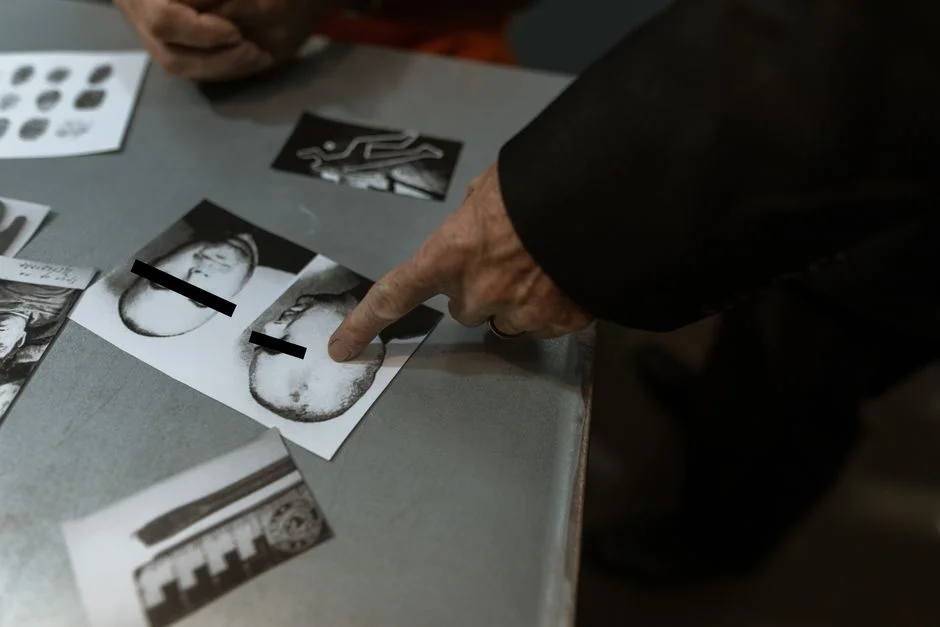
The devices allow officers to document complex crime scenes with precision that was difficult to achieve using older techniques. Rather than relying solely on photographs and written notes, investigators can now create comprehensive digital models that can be shared with prosecutors, expert witnesses, and even distant colleagues.
Manufacturers of these systems report a marked increase in orders from government agencies over recent quarters. Companies producing the sensors, software, and computing hardware required to process the captured data are expanding their public sector divisions in response.
Market Implications for Tech Companies
The shift toward digital forensics presents a measurable opportunity for technology firms. Law enforcement agencies represent a customer base with recurring purchasing cycles, as scanners require maintenance, calibration, and periodic upgrades.
Software companies that develop the algorithms used to process three-dimensional data are similarly well-positioned. The need for secure storage solutions, cloud processing services, and evidence management platforms creates additional demand across the technology sector.
Investment Interest in Digital Forensics
Hedge funds and private equity firms with exposure to industrial technology have noted the trend. Procurement records from municipal and federal agencies show increasing budget allocations toward digital forensic equipment, suggesting sustained demand rather than a temporary spike.
Some analysts point to a broader pattern: government agencies worldwide are modernising their investigative capabilities after years of underinvestment in technology infrastructure.
Supply Chain and Manufacturing Effects
The manufacturers responding to this demand include both specialised forensic equipment producers and larger technology conglomerates with diversified portfolios. Both categories are ramping up production capacity, which translates into contracts for component suppliers and precision engineering firms.
Employment in the sector has grown modestly, with companies seeking engineers, software developers, and field support technicians who can train law enforcement personnel on the new equipment.
Challenges Around Adoption
Not every agency has moved at the same pace. Smaller departments with constrained budgets still rely on older methods, citing the cost of new equipment and the time required to train officers. This disparity has raised questions about consistency in evidence collection standards across different regions.
Data security represents another concern. The digital evidence captured by these systems must be stored and transmitted in ways that maintain chain of custody requirements. Cybersecurity firms are beginning to address this niche, offering encrypted storage and verification systems tailored to law enforcement clients.
What Comes Next
Industry observers expect further integration between three-dimensional scanning and other emerging technologies. Artificial intelligence systems capable of analysing spatial data automatically could reduce the time required to process evidence, while augmented reality platforms may eventually allow juries to explore crime scenes virtually during trials.
Procurement cycles in government typically move slowly, but the current momentum suggests that the market for forensic scanning technology will continue expanding through the next fiscal year. Technology companies are positioning themselves to capture those contracts, and investors are watching the sector with renewed interest.
See Also
- India's Stock Market Plummets 500 Points — Sensex Faces Sudden Collapse
- Foxconn Ransomware Attack Triggers Global Supply Chain Shockwaves
Some analysts point to a broader pattern: government agencies worldwide are modernising their investigative capabilities after years of underinvestment in technology infrastructure. What Comes Next Industry observers expect further integration between three-dimensional scanning and other emerging technologies.
What is the latest news about police deploy 3d scanners and the forensic tech market is already surging?
Why does this matter for technology?
What are the key facts about police deploy 3d scanners and the forensic tech market is already surging?