Satellite imagery released on Tuesday shows extensive destruction in Kauda, the administrative capital of Sudan's Nuba Mountains region, with the town visibly splintered and burning in multiple locations. The analysis, conducted by the Centre and reviewed by international investigators, documents what observers describe as a severe escalation in the conflict affecting this historically marginalised region.
Evidence of Widespread Destruction
The satellite photographs reveal at least twelve distinct fire hotspots within Kauda's residential and commercial districts. Buildings identified as government offices, market structures, and residential compounds appear to have sustained significant damage. The Centre confirmed the images were captured between January and March of this year, with thermal imaging indicating active burning in multiple sectors simultaneously.
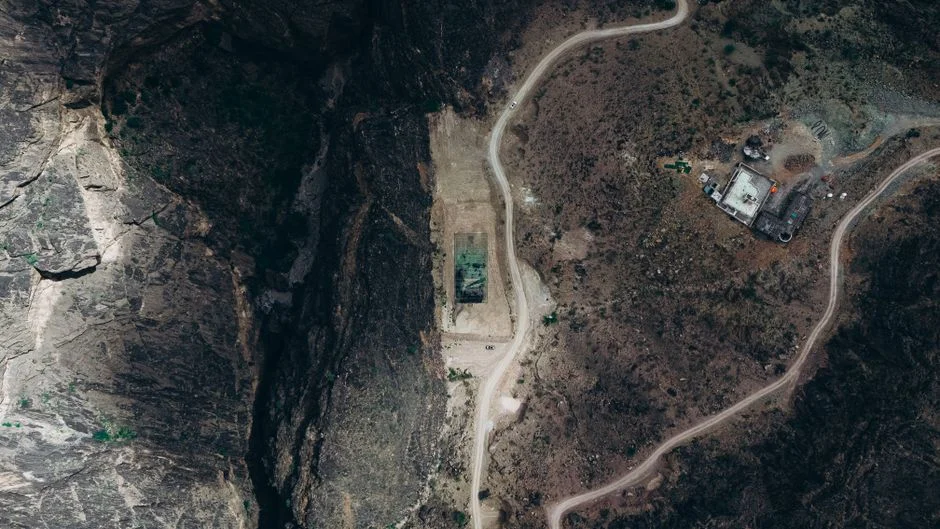
Humanitarian organisations say the imagery confirms what survivors had already reported. The destruction is not random collateral damage but appears concentrated on infrastructure serving civilian populations. This distinction matters enormously for international accountability mechanisms currently examining alleged war crimes in Sudan.
Strategic Importance of Kauda
Kauda functions as the administrative and commercial hub for approximately 800,000 people living in the surrounding Nuba Mountains. The town houses district government offices, health clinics, and the primary market where farmers from surrounding villages sell produce. Its loss as a functioning centre creates immediate logistical challenges for both residents and aid workers operating in the region.
Before the current conflict erupted, Kauda served as a rare example of local governance functioning in Sudan's peripheral regions. The Nuba Mountains, located in South Kordofan state, have experienced decades of underdevelopment and periodic armed conflict. The town's administrative role gave residents a tangible connection to national governance structures that largely ignored the region otherwise.
Humanitarian Access Now in Jeopardy
The destruction of Kauda eliminates the primary coordination point for humanitarian operations across the Nuba Mountains. Aid organisations previously used the town as a base for distributing food, medicine, and other essential supplies to remote villages scattered throughout the mountainous terrain. Without this hub, reaching vulnerable populations becomes significantly more difficult.
The World Food Programme confirmed it has suspended operations in several surrounding areas following the destruction. The organisation stated that supply routes passing through Kauda are now impassable, leaving an estimated 200,000 people without scheduled food deliveries. The suspension could last weeks or months depending on security conditions and alternative routing options.
Economic Ripple Effects Spread
The economic consequences extend far beyond Kauda itself. The Nuba Mountains contain some of Sudan's most fertile agricultural land outside the Nile Valley, producing sorghum, millet, and sesame seeds that supply markets across the country. The conflict has disrupted planting seasons for two consecutive years, reducing harvest volumes and pushing food prices upward in urban centres.
Local traders who previously transported goods from Kauda to markets in Khartoum and other cities have abandoned their routes. Transport costs have tripled for the few alternatives still operating, with drivers demanding hazard premiums for routes passing through contested areas. These cost increases eventually reach consumers in markets hundreds of kilometres away.
Agricultural Losses Mount
Agricultural economists tracking the region estimate that farmland abandonment has reached 40 percent of normal cultivation levels. Farmers who fled Kauda and surrounding villages cannot tend their fields, leading to weed encroachment and soil degradation that will affect productivity for years even after normalcy returns. The loss of stored seed stock means families lack planting material for the next growing season without external assistance.
Export disruptions from South Kordofan have also affected national statistics. Figures from Sudan's Chamber of Commerce show sesame seed exports from the region fell by more than half compared to pre-conflict levels. This reduction contributes to broader balance of payments pressures facing the transitional government.
International Response Under Scrutiny
The documented destruction has intensified calls for the international community to act. Human Rights Watch has formally requested that the satellite imagery be submitted to the International Criminal Court as potential evidence of war crimes. The organisation stated that deliberately targeting civilian infrastructure constitutes a grave violation of international humanitarian law.
Diplomatic sources indicate the UN Security Council discussed the Nuba Mountains situation during closed consultations last week. Council members remain divided on whether to impose additional sanctions or increase peacekeeping resources. The African Union has called for an immediate ceasefire and unimpeded humanitarian access but has limited enforcement mechanisms beyond diplomatic pressure.
What to Watch Next
Over the coming weeks, international investigators will conduct ground verification missions if security permits. The findings from these missions will determine whether formal accountability proceedings move forward. Meanwhile, humanitarian organisations are racing against the calendar—the rainy season typically begins in June, making many roads impassable and complicating aid delivery until October.
The Sudanese government has stated it will investigate the destruction claims but has not acknowledged responsibility for the damage. Regional leaders in the Nuba Mountains have called for direct negotiations with national authorities regarding the town's future. Whether those talks materialise will likely shape conditions for hundreds of thousands of civilians caught between competing forces.
See Also
- Artist Mark Mushiva Sparks Global Debate with Provocative Computer Chip Statement
- Host Launches Home Data Centers — Markets React to Decentralized AI Boom
The organisation stated that deliberately targeting civilian infrastructure constitutes a grave violation of international humanitarian law.Diplomatic sources indicate the UN Security Council discussed the Nuba Mountains situation during closed consultations last week. The conflict has disrupted planting seasons for two consecutive years, reducing harvest volumes and pushing food prices upward in urban centres.Local traders who previously transported goods from Kauda to markets in Khartoum and other cities have abandoned their routes.