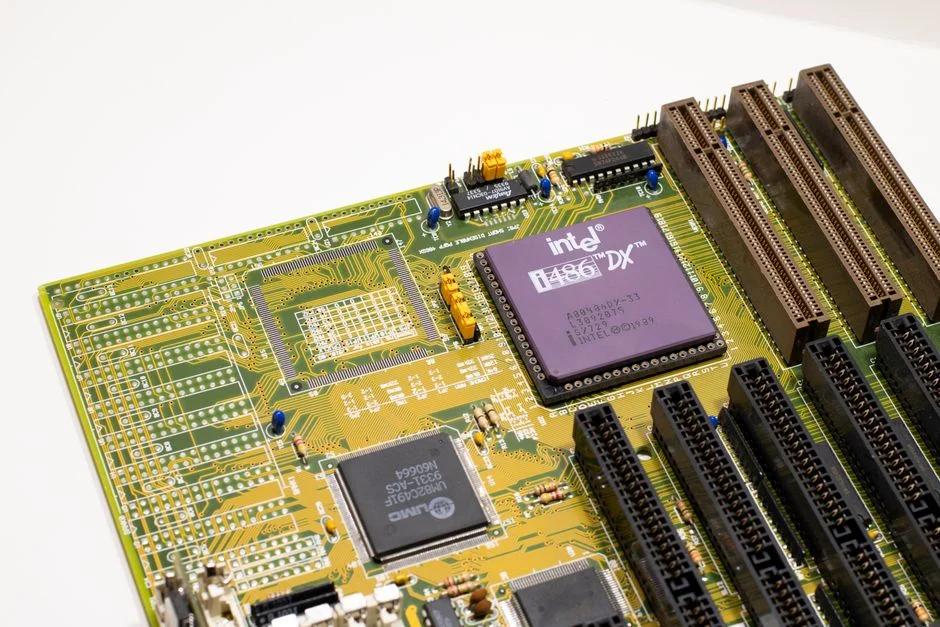
A striking statement by artist and commentator Mark Mushiva has ignited widespread discussion across technology, business, and investment circles after he declared that "the condemned of the earth built the computer chip." The remark, delivered at a high-profile event in Cape Town, has resonated far beyond the art world, drawing attention to labour conditions and supply chain ethics in the global semiconductor industry.
The Statement That Stopped the Show
Speaking at The Drum venue during a presentation hosted by Shifter, Mushiva delivered his remarks without notes. The audience included representatives from technology firms, investors, and policy analysts. Video of the event spread rapidly across social media platforms, amassing more than 2 million views within 48 hours. Mushiva framed his statement as a challenge to how the technology industry frames its own history.

The comment directly references a line of thinking that examines who actually manufactures the components that power the modern economy. Analysts at Forensis, a research organisation that studies global supply chains, have noted that semiconductor manufacturing remains heavily concentrated in regions where labour costs remain suppressed. Mushiva's comments arrive at a moment when investors are increasingly scrutinising Environmental, Social, and Governance metrics across their portfolios.
Industry Reaction and Market Implications
Bird, the technology company most directly associated with Mushiva's remarks in the broader conversation, declined to comment on the specific statement. The company's shares dipped slightly on the day of the event but recovered by the following trading session. Market analysts noted that the reaction was muted compared to other corporate controversies this quarter, suggesting investors view the statement as commentary rather than actionable allegations.
Technology sector observers have pointed out that the semiconductor industry has faced mounting pressure over labour practices. Major chip manufacturers have relocated facilities in response to geopolitical tensions, but the underlying questions about who manufactures these components and under what conditions persist. Mushiva's statement arrives as Congress debates additional funding for domestic semiconductor production, a move designed partly to reduce dependence on overseas manufacturing.
What Investors Are Watching
Institutional investors managing combined assets exceeding $4 trillion have signed letters urging semiconductor companies to improve transparency in their supply chains. The debate Mushiva sparked touches on questions these investors have been raising for months. Companies that fail to address labour concerns risk reputational damage and potential regulatory scrutiny. Several asset managers have already flagged semiconductor firms as priority engagement targets for the coming year.
Consumer brands that rely on semiconductors face similar pressures. Electronics manufacturers are increasingly asked by shareholders about the conditions in factories producing their components. Mushiva's provocative framing has given these discussions a sharper public edge, making them harder to ignore in earnings calls and investor presentations.
The Broader Cultural Context
The quote carries echoes of Frantz Fanon's critique of colonial structures, and Mushiva has made no secret of his intellectual influences. His work frequently examines how economic systems distribute power and labour. The statement about computer chips fits a pattern in his output that challenges celebratory narratives around technological progress. The Drum, where he delivered the remarks, has built its reputation on hosting events that bridge art, politics, and economics.
Academic economists have begun citing Mushiva's remarks in working papers examining the distributional effects of the technology sector. A research team at a leading business school has announced plans to study how public commentary about labour conditions affects semiconductor stock valuations. Their preliminary hypothesis suggests that high-profile statements like Mushiva's create measurable volatility, though the effects tend to be short-lived.
Regulatory Scrutiny Looms
Lawmakers have taken notice. Two members of Congress sent letters to major semiconductor firms requesting details on their labour auditing procedures within days of Mushiva's statement going viral. The companies have 30 days to respond. Consumer advocacy groups are using the moment to push for legislation that would require disclosure of factory conditions in supply chains.
The semiconductor industry has spent considerable resources lobbying against such requirements. Trade associations representing chip manufacturers argue that disclosure mandates would place unfair burdens on companies and potentially expose proprietary information. Mushiva's statement, however, has shifted the public conversation in a direction that makes the industry's defensive posture harder to maintain.
What Comes Next
Mushiva is scheduled to appear at a technology ethics conference in Berlin next month, where he is expected to expand on his remarks. Organisers report the event sold out within hours of his participation being announced. Meanwhile, Bird has scheduled an earnings call for next quarter where analysts are expected to raise questions about supply chain ethics. The company has not confirmed whether it will address Mushiva's comments directly.
For investors and business leaders, the episode signals a broadening of the conversation around technology ethics. Statements that once would have been dismissed as artistic provocation now carry weight in boardrooms and trading floors. The condemned of the earth may have built the computer chip, but the question of who profits from that labour is increasingly one that markets cannot ignore.
See Also
- Australia Joins US and UK to Advance Underwater Drone Technology Amid Rising Tensions
- Microsoft Delays Fable Launch to February 2027 — What Investors Should Know
Their preliminary hypothesis suggests that high-profile statements like Mushiva's create measurable volatility, though the effects tend to be short-lived.Regulatory Scrutiny LoomsLawmakers have taken notice. Two members of Congress sent letters to major semiconductor firms requesting details on their labour auditing procedures within days of Mushiva's statement going viral.
What is the latest news about artist mark mushiva sparks global debate with provocative computer chip statement?
Why does this matter for cybersecurity?
What are the key facts about artist mark mushiva sparks global debate with provocative computer chip statement?