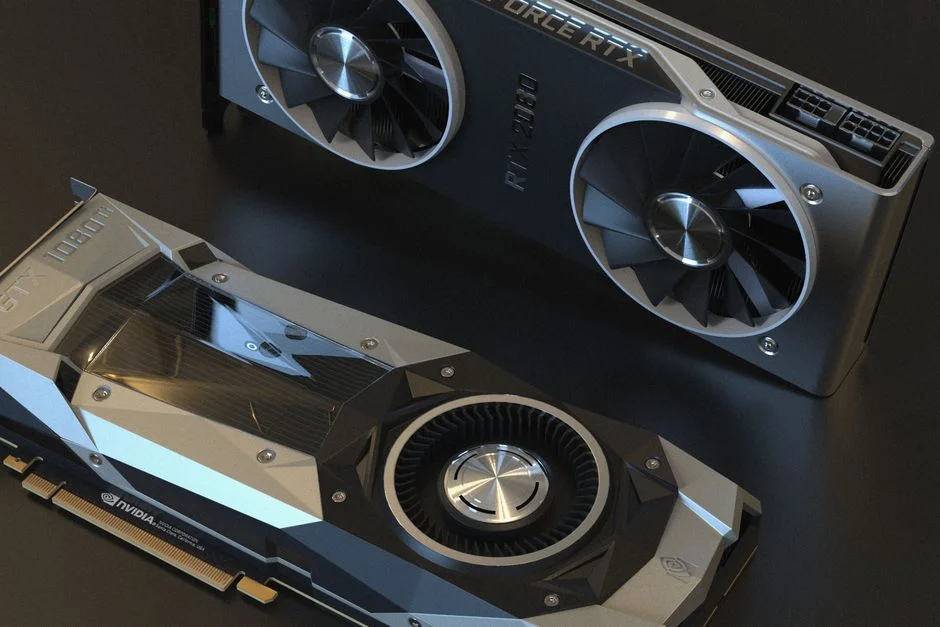
Nvidia chief Jensen Huang and South Korea's SK Group are set to unveil details of a cooperation agreement aimed at addressing the severe shortage of AI chips that has constrained technology companies worldwide. The announcement, scheduled for next week in San Jose, California, represents the latest effort by two semiconductor giants to expand manufacturing capacity as demand for AI accelerators continues to outpace supply. Huang's warnings about prolonged shortages signal that even major collaborations may not immediately resolve the bottleneck affecting data centers and cloud providers globally.
What the Partnership Involves
SK Group, the parent company of memory chipmaker SK Hynix, will work with Nvidia on advanced packaging and memory integration for next-generation AI chips. SK Hynix already supplies high-bandwidth memory (HBM) chips critical for Nvidia's AI accelerators, including the popular H100 and upcoming Blackwell architecture processors. The deepened cooperation means SK will play an expanded role in Nvidia's supply chain, potentially securing preferential access to scarce components for its own technology investments.
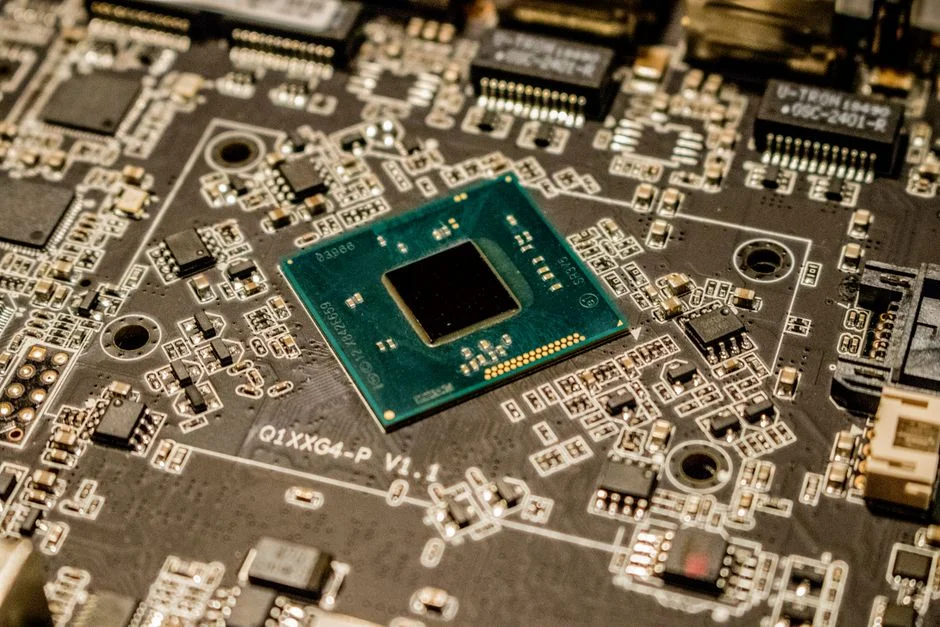
Memory Integration at the Core
The partnership focuses heavily on co-development of memory solutions that combine SK's HBM expertise with Nvidia's GPU architecture. Industry observers say this vertical integration approach could reduce production bottlenecks that have plagued both companies. SK's semiconductor division brings decades of memory expertise, while Nvidia contributes the AI chip designs that define current data center infrastructure.
Market Reaction and Investor Sentiment
Financial markets responded positively to the news. Nvidia shares climbed 3.2% in after-hours trading following the announcement. SK Group's Seoul-listed shares surged 5.8%, reflecting investor optimism about the strategic relationship. Analysts at several investment banks raised their price targets for both companies, citing improved supply chain visibility.
The partnership addresses investor concerns about Nvidia's ability to meet massive demand while reducing reliance on third-party memory suppliers. For SK, the deal validates its strategy of moving beyond commodity memory into premium AI-focused products. The market capitalization implications are substantial—Nvidia has added more than $1 trillion in value over the past year as investors bet heavily on AI infrastructure expansion.
Geopolitical Dimensions of the Deal
The Nvidia-SK agreement carries significant geopolitical weight. Both companies operate in a landscape shaped by US export controls on advanced semiconductors and growing tensions over technology supremacy. Washington has pushed allied nations to strengthen semiconductor supply chains, viewing concentrated chip production in East Asia as a strategic vulnerability. This partnership reinforces ties between American and South Korean technology industries at a time when global chip supply chains face unprecedented scrutiny.
For SK, deepened cooperation with Nvidia aligns with South Korea's national strategy to anchor advanced semiconductor manufacturing on the Korean peninsula. Seoul has committed billions in subsidies to attract chip investment, betting that AI-driven demand will sustain growth in the sector for decades. The Nvidia relationship strengthens that positioning considerably.
The Chip Shortage Reality
Huang has repeatedly warned that demand for AI accelerators vastly exceeds supply. Speaking at a recent industry conference, he noted that the company's order backlog extends well into 2026, frustrating customers ranging from major cloud providers to emerging AI startups. This imbalance has given Nvidia substantial pricing power, with H100 chips selling for significantly above their already premium list prices.
The shortage shows few signs of abating. Huang told investors that resolving the supply-demand mismatch could take years rather than quarters. That timeline is forcing companies to rethink their procurement strategies, with some locking in multi-year supply agreements with chipmakers. Others are exploring alternative architectures or delaying AI initiatives until hardware becomes more readily available.
Impact on Businesses and Cloud Providers
The implications for businesses seeking AI capabilities are significant. Companies developing large language models, running inference workloads, or building AI-powered products face extended lead times for critical hardware. Some enterprises have reported waiting six months or more for GPU deliveries, slowing deployment of AI strategies that executives have already announced to investors and boards.
The Nvidia-SK partnership could eventually ease these constraints. By securing preferential access to SK's memory output, Nvidia may be able to ship more complete systems rather than waiting for memory supplies to catch up. SK's expanded role also means the Korean company can potentially offer its own customers accelerated access to AI-ready components, benefiting businesses with existing relationships at SK Hynix.
For smaller enterprises without major supply agreements, the outlook remains challenging. Larger cloud providers and AI companies are expected to continue consuming disproportionate shares of available chip supply, leaving smaller players facing persistent shortages. This dynamic could accelerate consolidation in the AI industry as smaller companies struggle to secure the hardware needed to compete.
What Happens Next
Investors and industry observers will be watching closely for specifics when the joint announcement arrives. Key details to watch include projected capacity increases, timeline commitments, and whether the partnership unlocks new manufacturing capabilities or merely reshuffles existing supply relationships. The announcement is expected to include joint statements from both companies outlining their strategic vision for AI chip development.
The deal underscores a broader trend in the semiconductor industry: major players are deepening supplier relationships to secure critical components in an era of persistent scarcity. For companies investing in AI infrastructure, this development reinforces the importance of long-term vendor partnerships. Investors should monitor whether the partnership translates into measurable delivery improvements or remains primarily a strategic alignment without immediate operational impact.
See Also
- Anthropic's Claude Mythos Triggers Cybersecurity Market Jitters
- Russia Warns EU After Romania Drone Attack — Markets Brace for Fallout