Forty-six telecom companies received operating licences in Nigeria, yet just a handful have managed to launch services. The gap between regulatory approvals and actual market entry has exposed deep structural problems in one of Africa's largest telecommunications markets, where MTN and Airtel continue to dominate.
From Licence to Launch: A Wide Gap
The Nigerian Communications Commission issued licences to 46 companies seeking to challenge established players. Years after those approvals, industry data shows only a small fraction have deployed commercially viable networks. The rest remain in various stages of planning, fundraising, or regulatory limbo.
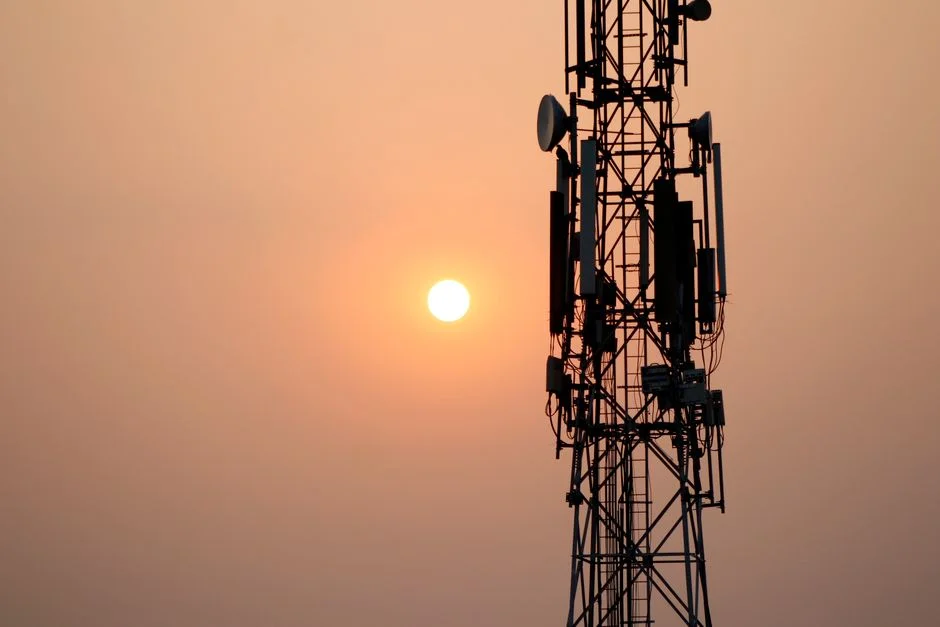
One company that has managed to build meaningful scale is More, which has positioned itself as a genuine alternative to the duopoly that MTN and Airtel have maintained for over a decade. The contrast between More's progress and the stalled launches of dozens of competitors illustrates the capital intensity and infrastructure challenges facing new entrants in Nigeria's telecom sector.
The Market Opportunity That Attracted 46 Players
Nigeria's telecom market represents a prize that justifies the risk. With over 200 million people and smartphone penetration still climbing, the country offers the kind of growth trajectory that investors covet. The government has actively encouraged competition, believing that more players will drive down prices and expand access to underserved regions.
The NCC structured its licensing framework to reduce barriers to entry. Smaller spectrum allotments and regional licences were designed to let companies launch with less capital than a national network would require. The theory was that this approach would spawn a wave of specialised providers catering to specific geographic or demographic niches.
Why Capital Became the Deciding Factor
In practice, building any telecom network in Nigeria demands substantial investment regardless of licence type. Tower infrastructure, fibre backhaul, and spectrum fees consume hundreds of millions of dollars before a single customer can be served. Several licensed companies secured partial funding but could not complete the financing rounds needed to move from paper to pavement.
Regulatory compliance added another layer of cost. Companies discovered that meeting NCC technical standards required equipment and expertise that initial business plans had underestimated. Some licence holders pivoted toward wholesale or infrastructure-sharing models rather than building consumer-facing networks.
What This Means for Investors
The disparity between licences granted and operators active raises questions about how the NCC evaluates readiness. Investors who backed licensed companies based on regulatory approval face losses as their portfolio firms stall or fail. The episode may make venture capital more cautious about Nigerian telecom startups going forward.
For companies like More that have achieved scale, the stalled competition creates an unusual dynamic. Rather than battling dozens of rivals, they compete primarily against MTN and Airtel while benefiting from the market consolidation that has eliminated many would-be challengers. That positioning could make More an attractive acquisition target or investment opportunity.
MTN and Airtel Hold Their Ground
MTN Nigeria and Airtel Networks have maintained their market leadership throughout this period. Their extensive network coverage, established customer bases, and existing infrastructure create advantages that new entrants struggle to match. Even companies that have launched commercially often struggle to compete on price without the economies of scale that the incumbents enjoy.
The two operators control the majority of Nigeria's telecom subscribers. Their dominance has not gone unnoticed by regulators, who have explored various measures to promote fair competition. The reality on the ground, however, suggests that regulatory intent and market outcomes do not always align.
Policy Implications for Nigeria's Digital Economy
Nigeria's government has identified telecommunications as a cornerstone of its digital economy ambitions. Universal broadband access and reduced data costs feature prominently in official strategy documents. The failure of most licensed challengers to launch complicates these goals by reducing competitive pressure on incumbents.
The NCC faces pressure to demonstrate that its licensing regime produces actual market participants rather than paper companies. Some analysts have called for stricter vetting of financial and technical readiness before licences are issued. Others argue that the current approach is reasonable and that market forces should determine which companies survive.
What Comes Next for Nigeria's Telecom Market
The next twelve months will reveal whether any of the remaining licensed companies can overcome the obstacles that have stalled their peers. Several firms have indicated plans for commercial launches, though past delays suggest caution in accepting those timelines at face value.
The NCC is expected to review its licensing procedures in light of the low activation rate. How regulators respond could shape whether the next round of telecom licensing produces more operating companies or simply adds to the count of licences that never translate into competitive services.
See Also
- Iran Oil Slick Triggers Market Jitters
- Hodlnaut CEO Charged in SG Case — US Investors Face Uncertainty
Several firms have indicated plans for commercial launches, though past delays suggest caution in accepting those timelines at face value.The NCC is expected to review its licensing procedures in light of the low activation rate. Even companies that have launched commercially often struggle to compete on price without the economies of scale that the incumbents enjoy.The two operators control the majority of Nigeria's telecom subscribers.