Satellite imagery has captured a significant oil slick off the coast of Iran’s Kharg Island, sending immediate ripples through global energy markets. The visual evidence suggests a fresh spill from one of the world’s most critical crude export hubs. Investors are closely monitoring the situation for potential disruptions to supply chains.
The Persian Gulf remains the artery of global energy trade. Any incident near Kharg Island threatens to tighten supplies. Markets are reacting with caution. Traders are pricing in the risk of delayed shipments.
Kharg Island’s Critical Role in Global Supply
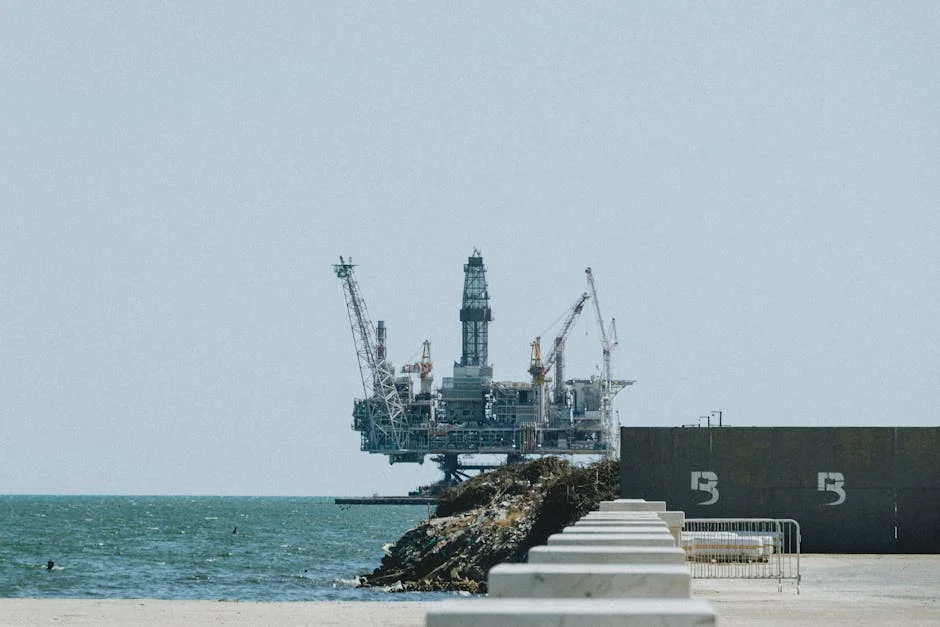
Kharg Island is not just an Iranian asset. It is a global barometer for crude availability. The island’s terminal handles a massive volume of daily exports. These flows are essential for meeting demand in Asia and Europe. A disruption here does not just affect Tehran.
The terminal processes millions of barrels daily. This volume represents a large share of Organization of the Petroleum Exporting Countries output. The infrastructure is complex and vulnerable. Weather and geopolitical tensions often compound the risks. Investors understand this vulnerability.
Market participants are watching the satellite data closely. The size of the slick indicates a potentially large volume of lost crude. This loss translates directly to reduced export capacity. Reduced capacity leads to higher prices. The chain reaction starts at the source.
Immediate Market Reactions and Price Volatility
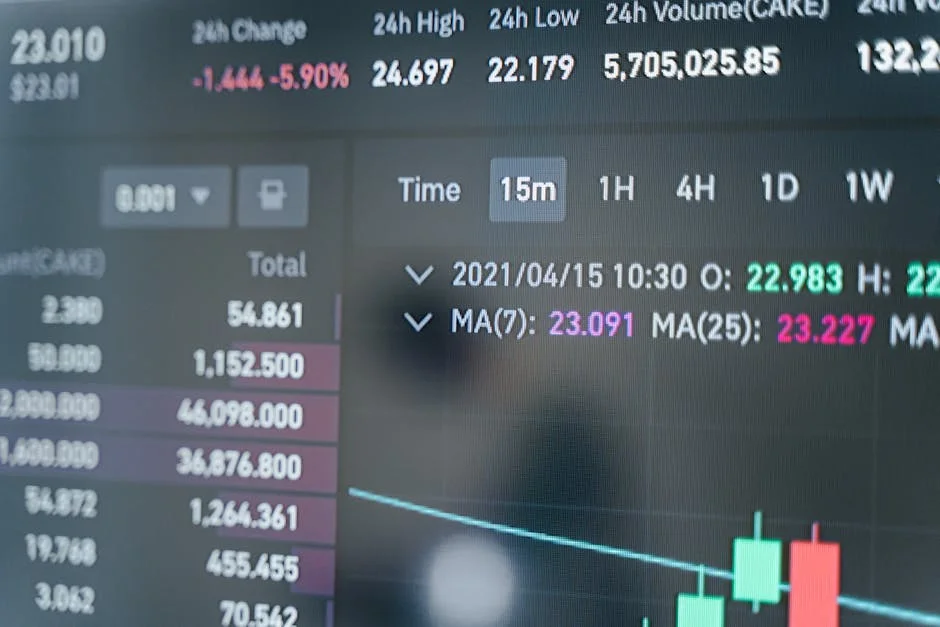
Crude prices showed immediate volatility following the reports. Futures markets reacted to the news with sharp movements. Traders are adjusting their positions to hedge against potential shortages. The uncertainty is the primary driver of current price action.
Brent crude and West Texas Intermediate both saw upward pressure. The spread between the two benchmarks widened slightly. This reflects the specific nature of the risk. It is a supply-side shock rather than a demand-side pullback. The market is pricing in scarcity.
Investors are looking for clarity on the source of the spill. Was it a pipeline leak or a tanker accident? The answer will determine the duration of the disruption. A pipeline leak might take weeks to repair. A tanker accident might clear within days. The timeline matters for trading strategies.
Impact on Regional Refineries
Regional refineries in the Gulf Cooperation Council are also feeling the pressure. They rely on consistent flows from Iranian fields. A slowdown at Kharg could force them to adjust their intake. This adjustment can lead to temporary bottlenecks. Bottlenecks increase operational costs.
Refineries in the United Arab Emirates and Saudi Arabia are monitoring the situation. They may need to draw more from their own stocks. This draws down strategic reserves. Lower reserves mean less buffer against future shocks. The regional dynamic is shifting.
Geopolitical Tensions in the Waterway
The Persian Gulf is a geopolitical hotspot. Tensions between Iran and neighboring states are often high. A spill adds another layer of complexity to the relationship. Blame games can delay cleanup efforts. Delayed cleanup extends the duration of the supply disruption.
The United States has a significant naval presence in the region. American officials are likely assessing the strategic implications. The spill could be used as leverage in negotiations. It could also be a catalyst for renewed friction. Investors must factor in political risk.
Diplomatic channels are likely active. Tehran may be seeking assurances from its partners. These partners include major oil-importing nations like China and India. Their reactions will influence the pace of the response. A coordinated response can mitigate the impact.
Business Implications for Energy Companies
Energy companies with exposure to the region are facing headwinds. Their stock prices are sensitive to news from Kharg. Investors are reviewing their portfolios for risk concentration. Diversification becomes a key strategy in volatile times. Companies with strong balance sheets are better positioned.
Logistics firms operating in the Gulf are also affected. Shipping routes may need to be adjusted. This adjustment increases fuel consumption and time. Higher logistics costs get passed down the supply chain. Consumers eventually pay the price.
Insurance premiums for vessels in the area may rise. Insurers are recalculating the risk profile of the waterway. Higher premiums squeeze margins for shipping companies. These companies may raise freight rates. Higher freight rates add to the cost of imported goods.
Investor Strategies Amid Uncertainty
Investors are adopting a wait-and-see approach. They are looking for more data before making major moves. Satellite images are just the first piece of the puzzle. Ground reports and official statements will follow. These updates will provide more clarity.
Portfolio managers are increasing their allocations to energy stocks. They view the spill as a short-term bullish catalyst for oil. However, they are also hedging against downside risk. A quick resolution could see prices retreat. Diversification across sectors is prudent.
Bond markets are also reacting to the news. Inflation expectations may rise due to higher energy costs. This could influence central bank decisions. The Federal Reserve in the United States is watching closely. Higher inflation could delay interest rate cuts.
Environmental and Economic Costs
The environmental impact of the spill is significant. Marine life in the Persian Gulf is vulnerable. Cleanup efforts will be costly and time-consuming. These costs are often borne by the state or the oil company. But they also affect local economies.
Fishing communities near Kharg Island are likely to suffer. Reduced fish stocks mean lower incomes. Tourism in the region may also take a hit. Beaches covered in oil are less attractive to visitors. These indirect economic costs are often overlooked.
The long-term economic impact depends on the speed of recovery. A quick recovery minimizes the financial damage. A prolonged crisis could have lasting effects on investment. Investors will be watching for signs of resilience. Resilience is key to maintaining confidence.
What to Watch Next
The next few days will be critical for market direction. Investors should watch for official statements from the National Iranian Oil Company. These statements will confirm the source and scale of the spill. They will also outline the initial response plan.
Updates on the status of the Kharg Island terminal are crucial. Is the flow of crude uninterrupted? Are there delays in loading tankers? This operational data will drive short-term price action. Traders will react to every piece of new information.
Geopolitical developments will also play a role. Watch for diplomatic moves by regional powers. Any escalation in tensions could exacerbate the supply risk. Investors need to stay alert to both economic and political signals. The intersection of these factors will define the market’s path forward.
See Also
- Lobo Arrested in Luxury Restaurant Director Kidnapping Case
- Google DeepMind Seizes EVE Online for Massive AI Stress Test
These partners include major oil-importing nations like China and India. Environmental and Economic Costs The environmental impact of the spill is significant.
What is the latest news about iran oil slick triggers market jitters?
Why does this matter for environment?
What are the key facts about iran oil slick triggers market jitters?