Nvidia chief executive Jensen Huang took the stage at Computex in Taipei on Tuesday and unveiled the company's first artificial intelligence chip designed specifically for personal computers. The announcement marks a significant shift in how AI processing power reaches everyday users, moving beyond data centers and cloud services into local machines. The new chip promises to run large language models directly on PCs without relying on internet connectivity.
What the New Chip Delivers
The RTX AI PC chip represents Nvidia's attempt to bring generative AI capabilities to consumer hardware. Huang demonstrated the chip running AI models that previously required cloud computing infrastructure. The device handles up to 400 billion operations per second for AI tasks, according to the company. This processing power allows users to run AI assistants, image generators, and video editing tools entirely on their local machines.
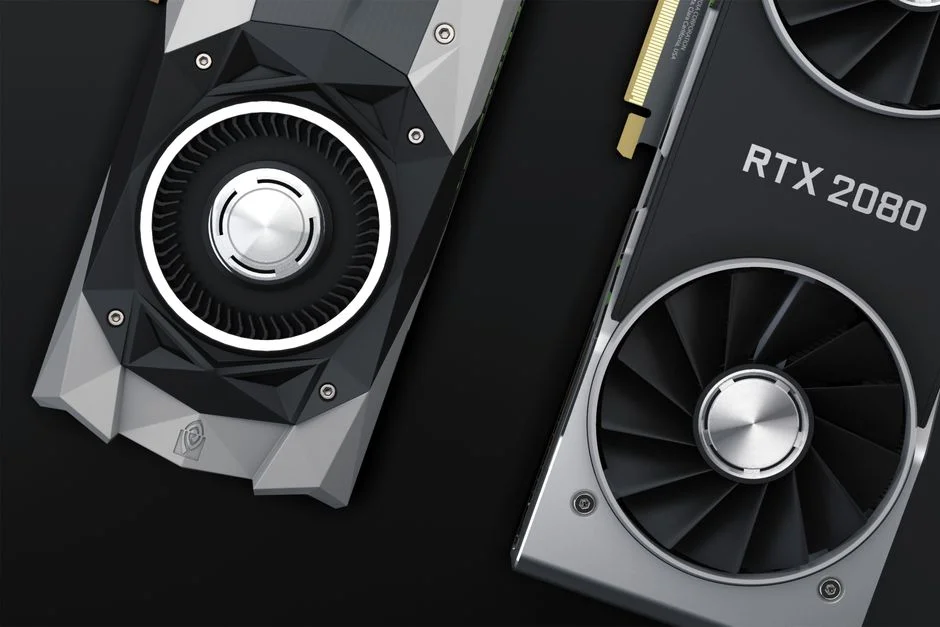
Privacy advocates have long argued for local AI processing because data never leaves the device. Businesses handling sensitive information stand to benefit most from this approach. The chip also reduces latency since round trips to remote servers become unnecessary. Nvidia positioned this as a solution for enterprise customers worried about sending proprietary data to third-party cloud providers.
Market Implications for PC Manufacturers
Major PC makers including Dell, HP, and Lenovo have already committed to incorporating the new chip into upcoming product lines. These partnerships signal that the technology has moved beyond prototype stage into production planning. The timing matters because the PC market has struggled with declining sales following the post-pandemic slowdown. Hardware manufacturers need compelling reasons for consumers to upgrade, and AI capabilities could provide that motivation.
Component suppliers will feel the ripple effects as PC makers adjust their Bill of Materials. Graphics memory makers, cooling solution providers, and power supply companies all face potential changes to their customer orders. The shift toward AI-focused hardware may accelerate consolidation among smaller component makers who cannot meet the new power and thermal requirements.
Competitive Pressure on Intel and AMD
Intel and AMD now face a direct challenge in the AI PC space where Nvidia previously focused on discrete graphics cards. Both competitors have been developing their own AI acceleration technologies, but Nvidia's brand recognition in AI gives the company a marketing advantage. Industry analysts note that software ecosystem support often determines success in this market more than raw hardware specifications.
The competitive dynamics could trigger an accelerated timeline for AI chip announcements from both Intel and AMD. Both companies havePC processor lines that will need AI features to remain competitive. Investors should watch for response announcements from both firms in the coming months.
Investor Perspective and Stock Impact
Nvidia shares have already climbed more than 60 percent this year as investors priced in the company's dominance of AI chip markets. The Computex announcement extends that narrative into consumer hardware, a market segment that typically operates on thinner margins than data center chips. Wall Street analysts will scrutinize the pricing strategy and volume projections from the Taipei event.
Hedge funds and institutional investors have built substantial positions in Nvidia during the past year. The announcement provides fresh data points for models that analyze AI infrastructure spending trends. Short sellers have largely abandoned their bearish bets against the stock after a series of earnings beats.
Options markets are pricing elevated volatility around Nvidia earnings dates, and this pattern may intensify following the Computex announcement. The chip's commercial success or failure will move the stock more than the announcement itself. Revenue contribution from consumer AI products remains small compared to data center sales, but that ratio could shift rapidly.
Economic Angle: Reshoring AI Manufacturing
The announcement carries implications for semiconductor supply chains that stretch beyond Nvidia's corporate strategy. Taiwan Semiconductor Manufacturing Company produces the advanced chips, and geopolitical concerns about that concentration have grown louder in Washington. Nvidia has begun diversifying some production to Samsung facilities in South Korea, according to supply chain sources.
Economic policymakers in the United States have pushed for domestic semiconductor production through the CHIPS Act. Nvidia's consumer AI chip creates new demand that American fabrication facilities could eventually serve. Intel's foundry ambitions depend partly on winning orders from companies like Nvidia for non-leading-edge consumer products.
What Comes Next
Retail availability is expected to begin in the fourth quarter, with initial pricing set around $1,500 for the standalone chip. PC makers will announce their bundled product configurations at the IFA technology expo in Berlin this September. Software developers will need to optimize their applications for the new architecture, a process that typically takes six to twelve months after hardware launch.
Developers and enterprise IT departments should watch for driver updates and software development kit releases from Nvidia in the coming weeks. The company has committed to hosting a developer conference in San Francisco where more technical details will emerge. Investors should track pre-order numbers and channel inventory reports as they provide early signals about demand strength.
Investors should watch for response announcements from both firms in the coming months.Investor Perspective and Stock ImpactNvidia shares have already climbed more than 60 percent this year as investors priced in the company's dominance of AI chip markets. Wall Street analysts will scrutinize the pricing strategy and volume projections from the Taipei event.Hedge funds and institutional investors have built substantial positions in Nvidia during the past year.
What is the latest news about nvidia unveils ai chip for personal computers jensen huang reveals the specs?
Why does this matter for startups?
What are the key facts about nvidia unveils ai chip for personal computers jensen huang reveals the specs?