Coca-Cola plans to list its Indian bottling operations in 2027, marking the beverage giant's most significant structural shift in the world's most populous nation. The listing would separate Hindustan Coca-Cola Beverages from its parent company, creating a standalone entity that analysts estimate could command a valuation exceeding $8 billion. Atlanta-based Coca-Cola confirmed the IPO deliberations on Thursday, though the company stopped short of specifying an exact fundraising target or which exchanges it would target.
The Listing Structure and What Coca-Cola Is Selling
The proposed IPO centers on Hindustan Coca-Cola Beverages, which operates as the exclusive bottler for Coca-Cola products across most of India. The company runs 24 manufacturing facilities and distributes beverages in every state, making it the second-largest Coca-Cola bottler globally by volume after Coke Europacific Partners. Coca-Cola currently holds a minority stake in the Indian operation, with local partners controlling the majority—a structure that has limited the parent's ability to fully capture growth in one of its five priority markets worldwide.
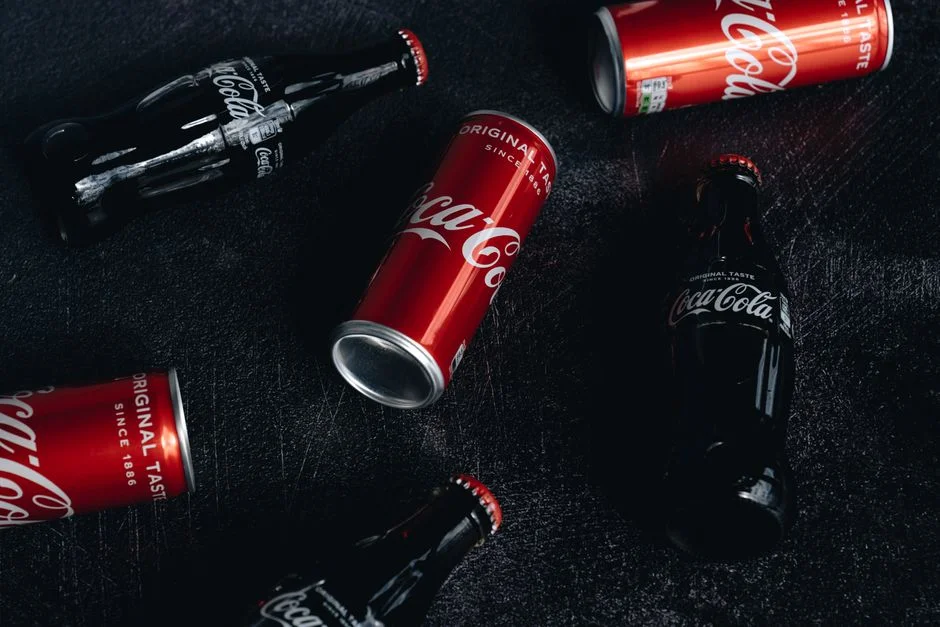
Under the listing plan, Coca-Cola would gradually increase its ownership stake before the IPO, consolidating control over the business that generated estimated revenues of $2.6 billion in the last fiscal year. The move would mirror a broader industry trend of beverage companies taking back bottling operations to improve margins and supply chain coordination.
Why India, Why Now
India represents Coca-Cola's fastest-growing major market, with volume growth consistently outpacing global averages by 5 to 7 percentage points annually. The country's middle class is expanding by approximately 20 million people each year, driving demand for packaged beverages ranging from carbonated sodas to water and juices. Coca-Cola's Indian revenue crossed the $2 billion mark for the first time in 2023, a milestone that attracted investor scrutiny about whether the current ownership structure was limiting expansion speed.
Sanjeev Chhatwal, who leads Coca-Cola's India and Southwest Asia operations, told analysts in a briefing that a public listing would unlock capital for factory automation and rural distribution networks. "We have 700 million potential consumers who still lack regular access to our products," Chhatwal said. "A funded, independent entity can move faster than a subsidiary model allows." The company has committed to tripling its rural coverage by 2030.
Market Context and Investor Interest
The announcement arrives as Indian equity markets are experiencing unprecedented inflows, with foreign institutional investors pouring $17 billion into the National Stock Exchange during the first half of 2024. Consumer goods listings have been particularly popular, with recent IPOs from companies like Honasa Consumer (the Mamaearth brand owner) and Sapind Limited oversubscribing by factors of 80 or more. Market observers say appetite for Coca-Cola's Indian franchise would likely dwarf those deals.
Several institutional investors have already approached intermediaries about allocation in the planned offering, according to people familiar with the discussions who asked not to be named. The listing would also allow Coca-Cola to potentially exit a complex joint venture arrangement that has included partners like Suntory Holdings and local families whose stakes have been subject to periodic renegotiation.
Regulatory Path and Local Partner Negotiations
Coca-Cola must navigate India's Foreign Exchange Management Act regulations and Securities and Exchange Board listing requirements before any public offering can proceed. The company has engaged investment banks including JPMorgan Chase, Goldman Sachs, and ICICI Securities to manage the transaction, sources confirmed. SEBI's scrutiny of related-party transactions in IPO structures has tightened since 2022, potentially adding several months to the timeline.
Negotiations with existing local partners remain ongoing. Hindustan Coca-Cola's shareholder structure includes several regional bottlers who have held stakes since the 1990s. Terms for buying out minority holders or allowing them to roll proceeds into the new public entity have not been finalized, according to regulatory filings reviewed by financial publications.
Competitive Landscape and What the IPO Changes
A publicly traded Hindustan Coca-Cola would compete directly against PepsiCo's Indian bottling network and Reliance Industries' newly launched beverage division. The listing would provide transparency into margins and volumes that are currently obscured within Coca-Cola's consolidated reporting, enabling investors to benchmark performance against peers. Coca-Cola Europacific Partners, which is publicly traded in Amsterdam and Sydney, has benefited from similar visibility since separating its Australian and European operations.
For Coca-Cola's global shareholders, the Indian IPO would represent a potential template for other bottling markets where the company maintains subsidiary arrangements. Indonesia and the Philippines, both identified as growth priorities, contain bottling structures that could eventually face similar scrutiny. The company has not commented on whether other markets are under review.
What Comes Next
Coca-Cola expects to file a draft red herring prospectus with SEBI by early 2026, according to people familiar with the timeline. That filing would reveal the company's proposed valuation range and offer size for the first time. The actual listing would follow SEBI's standard review period of 6 to 12 months, positioning Mumbai as the most likely exchange given Hindustan Coca-Cola's domestic focus. Market participants should watch for any revisions to the timeline following the upcoming Indian general election results, as policy continuity on foreign investment could influence the final structure.
See Also
- Google Confirms Anti-Scam Shield for Android — Spoofed Calls Face New Block
- Doutor Finanças Surpasses 24 Million Euros in Business Volume
That filing would reveal the company's proposed valuation range and offer size for the first time. Several institutional investors have already approached intermediaries about allocation in the planned offering, according to people familiar with the discussions who asked not to be named.