Microsoft on Tuesday revealed plans for a dedicated RTX Spark desktop workstation and a expanded suite of Linux development tools, positioning itself to capture a larger share of the growing cross-platform developer tools market. The announcement, made at the company's Build conference in Seattle, targets the estimated 12 million developers who regularly work across Windows and Linux environments.
The RTX Spark Desktop: Specs and Market Timing
The RTX Spark desktop will ship with pre-configured Linux environments, GPU acceleration support, and direct integration with Visual Studio Code. Pricing starts at $2,499 for the base configuration, with a developer edition at $3,299 that includes twelve months of GitHub Enterprise access. Microsoft plans to begin shipping units in July, positioning the device as a turnkey solution for teams building cloud-native applications.
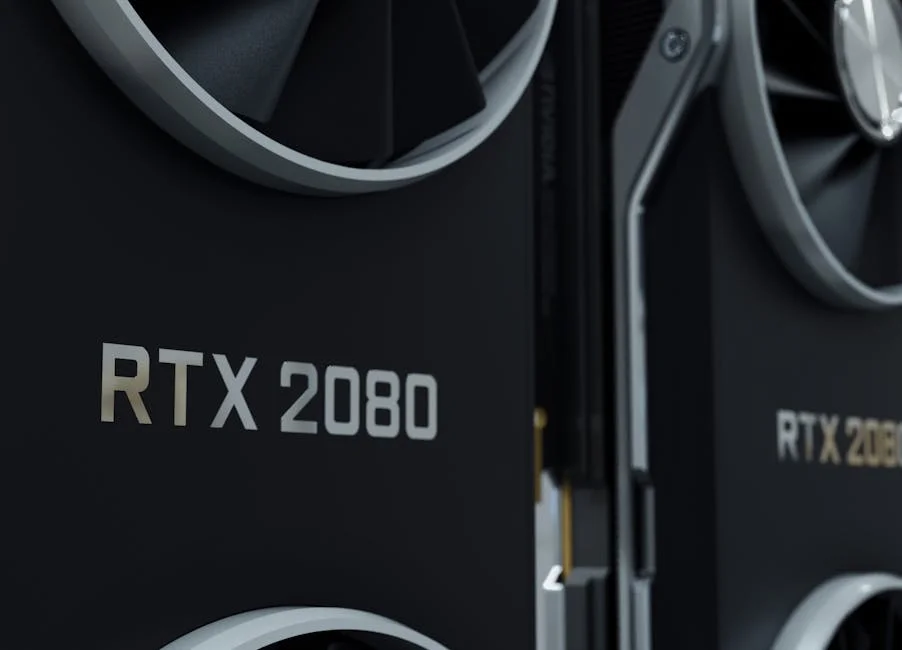
Scott Hanselman, Microsoft's vice president of developer community, told reporters the workstation emerged from internal feedback that developers were spending up to four hours configuring their Linux toolchains. "We heard clearly that time spent setting up environments is time not spent writing code," he said during the announcement. The RTX Spark aims to eliminate that friction entirely.
Linux Tools Integration with Windows
Beyond the hardware, Microsoft announced that its Windows Subsystem for Linux will receive a major update enabling native GPU passthrough and full systemd support. The update, rolling out to all Windows 11 users this month, allows developers to run Linux-based machine learning frameworks like TensorFlow and PyTorch without emulation overhead.
The combined offering represents Microsoft's most aggressive push yet to position Windows as a viable primary development environment for Linux-focused workloads. Industry analysts estimate that Linux servers handle roughly 96% of the world's top one million web servers, making cross-platform compatibility a persistent pain point for developers.
Competitive Landscape
The move places Microsoft in direct competition with JetBrains' Fleet IDE and GitHub's Copilot workspace, both of which have gained traction among developers seeking seamless Linux integration. JetBrains reported a 34% increase in annual subscriptions last quarter, partly driven by its Linux-first tooling philosophy. Microsoft's response combines hardware, OS-level support, and cloud services into a unified offering that the company argues provides better value than piecemeal solutions.
Investor Implications
For investors tracking Microsoft's growth trajectory, the RTX Spark announcement signals a strategic shift toward hardware-assisted ecosystem lock-in. The company generated $22.3 billion in Intelligent Productivity revenue last quarter, with developer tools and cloud services representing the fastest-growing segments. By bundling hardware with its software stack, Microsoft creates additional recurring revenue streams while deepening its presence in developer workflows.
The developer tools market is valued at approximately $45 billion globally, and Microsoft's current share sits around 28%. Competitors including JetBrains, HashiCorp, and GitHub have carved out niches by focusing exclusively on developer productivity, forcing Microsoft to differentiate through integration with Azure cloud services and Teams collaboration tools.
Business Impact on Enterprise Teams
Enterprise customers currently spending on multiple tools stand to benefit from Microsoft's consolidation strategy. Companies like Deloitte and Accenture, which employ thousands of developers working across hybrid environments, have already begun piloting the RTX Spark for internal tooling teams. Early adopters report reduced onboarding time for new engineers and fewer environment-related bugs in production deployments.
The Linux tools update also matters for businesses running containerized applications. Docker and Kubernetes workflows that previously required separate Linux machines can now run natively on developer workstations, reducing infrastructure costs for teams that previously maintained separate build servers.
What Comes Next
Microsoft will release a public preview of the Linux tools update on May 28, allowing developers to test the new WSL features before the full rollout. The RTX Spark desktop enters pre-order today with shipping scheduled to begin July 15. Enterprise licensing agreements will be available through Microsoft's channel partners starting in June.
The company has indicated that future updates will focus on AI-assisted development features, leveraging the RTX GPU hardware for local model inference. A full demonstration is expected at Microsoft's Ignite conference in November, where executives have promised to outline the next phase of its developer platform strategy.
See Also
- CBSE Announces New Exam Schedule — Markets Watch for Economic Signals
- Google's Pixel Watch 5 Washes Ashore — What This Means for Tech Markets
Business Impact on Enterprise Teams Enterprise customers currently spending on multiple tools stand to benefit from Microsoft's consolidation strategy. The company has indicated that future updates will focus on AI-assisted development features, leveraging the RTX GPU hardware for local model inference.