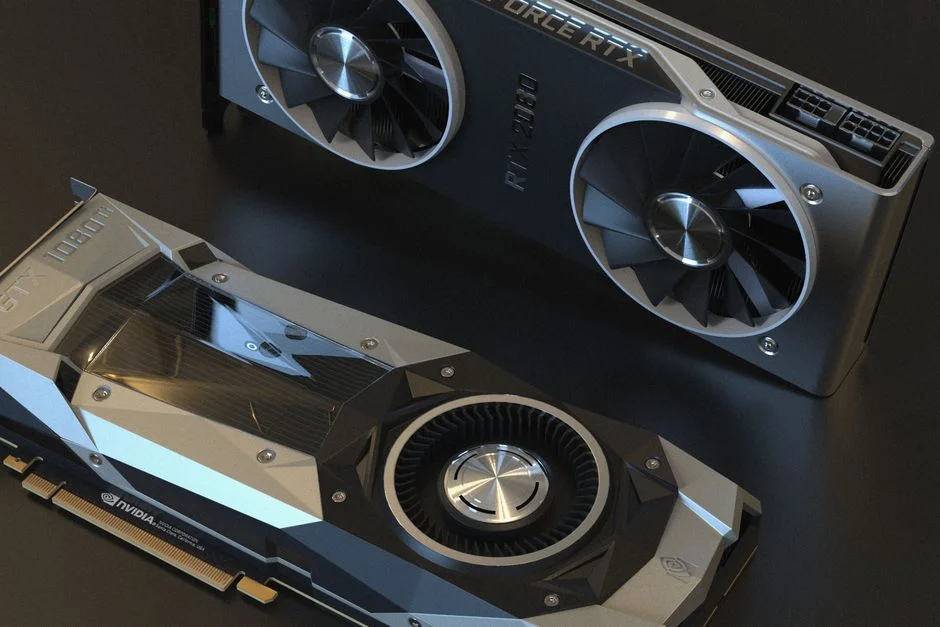
The Chinese military has actively sought Nvidia chips for several years, aiming to enhance its technological capabilities in defence and computing power. A recent report revealed that the People's Liberation Army (PLA) has been particularly focused on acquiring these high-performance semiconductors to support advanced military applications.
Significance of Nvidia Chips for China's Military
Nvidia, a leader in graphics processing units and AI technology, has developed chips that are critical for artificial intelligence and machine learning applications. These functionalities are vital for military simulations, battlefield analysis, and autonomous systems. In 2022, Nvidia generated over $26 billion in revenue, with a significant portion derived from its data centre products, which are sought after by military and commercial enterprises alike.
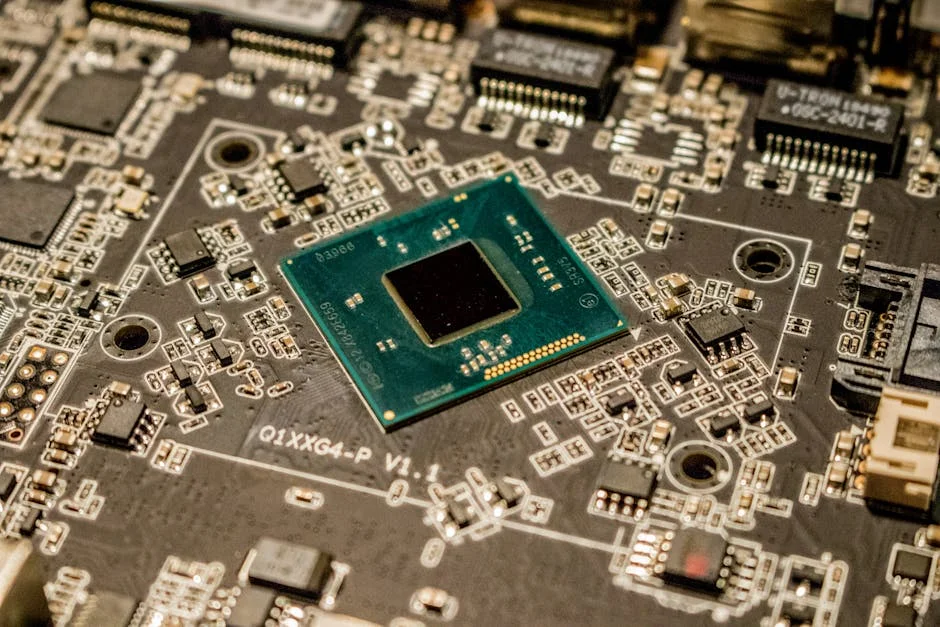
The PLA's pursuit reflects a broader trend in which nations are increasingly prioritising technological advancements to enhance their military strength. As global authorities become aware of this focus, it raises questions about technology transfer and the implications for international relations, particularly between the United States and China.
The Economic Impact on Global Markets
The growing demand from the Chinese military could further exacerbate existing tensions between the US and China, impacting the semiconductor market. Investors are already jittery, with several firms experiencing volatility in stock prices. For instance, following news of China's military interests, shares of US tech companies involved in the semiconductor supply chain fell by an average of 3%.
Increased military spending on technology could lead to an uptick in demand for high-performance chips globally, thereby raising prices. A sudden surge in demand may push Nvidia to increase its production, but the company has already faced supply chain challenges amid global semiconductor shortages, making it uncertain how quickly it can respond.
US Government Response
The US government has been wary of China's growing technological capabilities and their implications for national security. In recent months, there have been discussions about expanding export controls on advanced semiconductor technologies to China. On October 7, 2022, the Biden administration announced new restrictions aimed at curtailing China's access to specific cutting-edge technologies.
This ongoing tension has implications for American companies, which could face stricter regulations and potential loss of market access in China. Therefore, businesses operating in the semiconductor industry must navigate these geopolitical risks carefully, as any further restrictions could impact their growth prospects and market stability.
Long-term Effects on the Semiconductor Industry
As countries like China invest heavily in indigenous semiconductor production capabilities, the dynamics of the global semiconductor market may shift. China's increased self-sufficiency in chip production could challenge US-based companies like Intel and AMD, leading to potential declines in their market share.
Moreover, analysts are predicting that the semiconductor market could face bifurcation, where countries align themselves either with Western technology standards or those led by China. This shift could create barriers to trade, limiting collaboration and increasing competition among nations.
Looking Ahead: What to Watch
As we move forward, key indicators to watch include US policy decisions regarding export controls, the responsiveness of Nvidia and its competitors to Chinese military demand, and the evolving landscape of international relations in technology. Future meetings of tech industry leaders and government officials will be crucial for shaping how both nations navigate these challenges.
Additionally, stakeholders in the semiconductor industry must stay vigilant regarding any shifts in demand projections and pricing strategies. Upcoming quarterly earnings reports from major players like Nvidia will also provide insight into how these developments might influence market dynamics in the coming months.
See Also
- Mark Mushiva Exposes How Forensis Is Revolutionising African Tech Markets
- Smartcomply Joins Global Payment Security Rule-Makers in Historic First