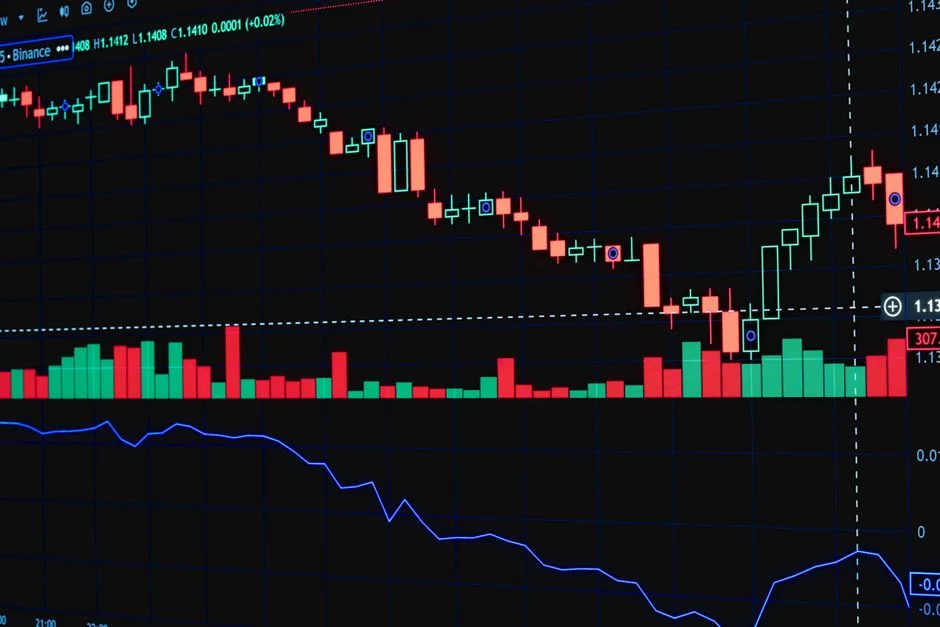
As Blockchain technology continues to evolve, its implications for the US economy are becoming increasingly apparent. This innovative system, which enables secure peer-to-peer transactions without intermediaries, is reshaping how businesses operate and how investors approach the market. Recent statistics show that blockchain's market value is projected to reach $4.2 billion by 2027, up from approximately $1.5 billion in 2021.
Understanding Blockchain Technology
Blockchain functions as a decentralized ledger that records transactions across many computers. This technology helps ensure that records cannot be altered retroactively, providing a high level of security and transparency. Companies like IBM and Microsoft are investing heavily in blockchain solutions, aiming to streamline operations and reduce costs.
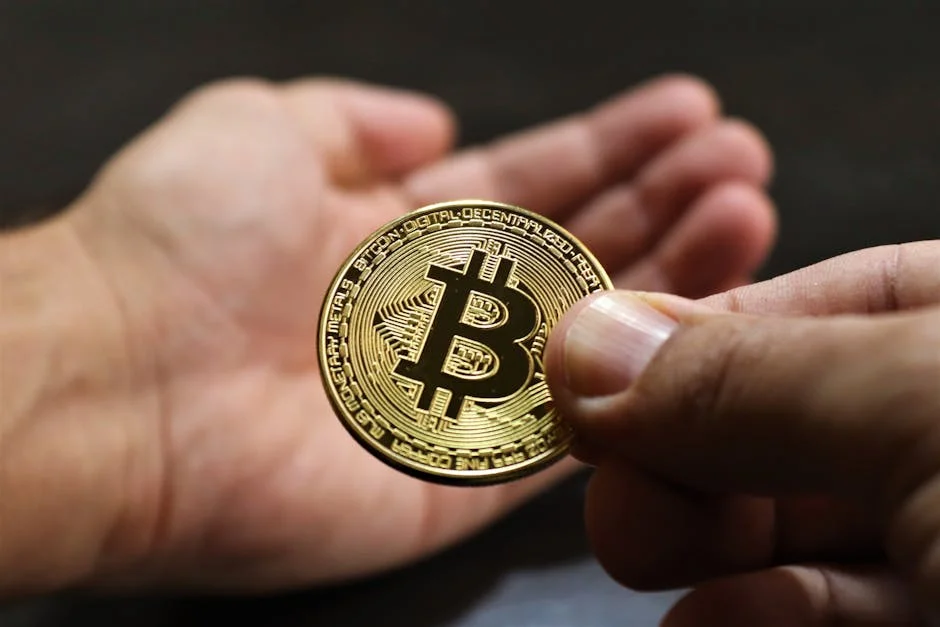
In the United States, the adoption of blockchain varies by industry. Financial services, supply chain management, and healthcare are among the sectors seeing the most significant impact. The Federal Reserve is actively exploring the implications of a digital dollar, which could further integrate blockchain into the existing financial system.
Market Reactions to Blockchain Developments
Investors are keeping a close eye on blockchain developments as they directly affect market dynamics. For instance, in 2021 alone, blockchain-related companies attracted over $25 billion in venture capital funding. This uptick in investment demonstrates confidence in the long-term viability of blockchain, making it a critical area for investors looking to diversify their portfolios.
However, the volatility associated with cryptocurrencies, often tied to blockchain technology, continues to pose risks. Bitcoin's price surged to a record high of approximately $64,000 in April 2021, only to experience significant drops later in the year. Such fluctuations create both opportunities and challenges for investors.
Business Implications of Blockchain Integration
Businesses that adopt blockchain stand to gain substantial advantages, including increased efficiency and enhanced security. For example, logistics companies are using blockchain to track shipments in real-time, reducing the chances of fraud and mistakes. Walmart has implemented a blockchain system to trace food products through its supply chain, improving safety and accountability.
Adopting blockchain can also lead to significant cost savings. According to a 2022 report by Deloitte, businesses implementing blockchain could save up to $12 billion annually by improving operational efficiency. These savings could spur more businesses to explore blockchain solutions as they look to stay competitive.
Challenges Ahead for Blockchain Implementation
Despite its advantages, the path to widespread blockchain adoption is fraught with challenges. Regulatory uncertainty remains a significant hurdle. The US Securities and Exchange Commission (SEC) has been cautious in its approach to cryptocurrencies and blockchain technology, which may slow down adoption rates.
Moreover, the scalability of blockchain networks is an ongoing concern. Many existing solutions struggle to process transactions quickly enough to meet the demands of large-scale applications, which could impact their viability for broader business use.
What to Watch in the Future
The future of blockchain in the United States appears promising, but several factors will influence its trajectory. Upcoming regulations from the SEC and other agencies will provide clearer frameworks for blockchain usage, which could either facilitate or hinder growth.
Investors should keep an eye on blockchain start-ups and partnerships as companies innovate in this space. Events like the North American Bitcoin Conference, scheduled for January 2024, will showcase emerging trends and technologies, providing insights into what may come next.
See Also
- Bayern Munich Edge Past Real Madrid in Dramatic Champions League Clash
- Valencia FC Signs Cisco Deal — Tech Revenue Surges
What is the latest news about blockchain revolution hits the us economy what businesses must know now?
Why does this matter for cybersecurity?
What are the key facts about blockchain revolution hits the us economy what businesses must know now?