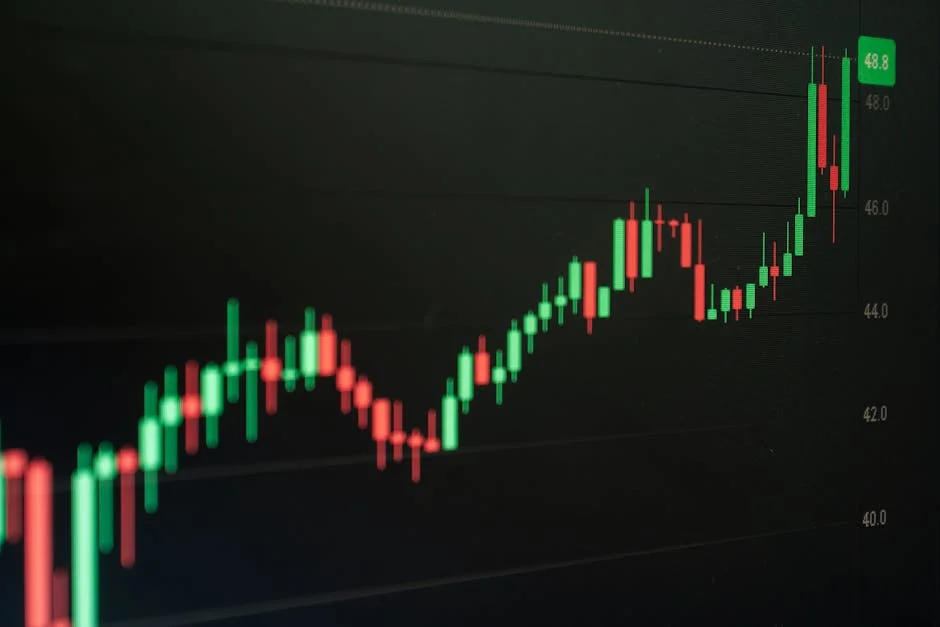
Today, India's benchmark stock indices faced a dramatic sell-off as the Sensex dropped over 800 points, closing at 65,000. This steep decline, which took place in the final hours of trading, has raised alarms among investors regarding the stability of the market. The Nifty50 also fell sharply, losing more than 400 points by the end of the session.
Market Reactions to Economic Data
Traders responded to the latest economic data from the United States, which indicated a stronger-than-expected jobs report. The US economy added 300,000 jobs in September, surpassing analysts' expectations and prompting fears of impending interest rate hikes by the Federal Reserve. Market participants are concerned that higher rates could stifle growth and increase the cost of borrowing.
This worry has resonated deeply within the Indian market, where investors are recalibrating their portfolios in response to global trends. The Indian stock market is often influenced by US economic indicators, as they provide insight into potential shifts in monetary policy that could affect foreign investment.
Sector-Specific Impacts
The sell-off impacted various sectors, but banking and technology stocks were hit hardest. The Bank Nifty index fell by 2.5%, reflecting investor apprehension towards rising interest rates that could impair loan growth. Key banking stocks like State Bank of India and HDFC Bank saw significant declines, contributing to the overall negative sentiment.
The technology sector also faced a downturn, with shares of major players like Infosys and Wipro dropping by nearly 3%. Investors are now questioning the sustainability of earnings growth in a tightening fiscal environment, making tech stocks particularly vulnerable.
Foreign Investment Concerns
As foreign institutional investors (FIIs) react to the instability, there is mounting concern about potential capital outflows. So far this year, FIIs have already withdrawn $3 billion from Indian equities, and the latest downturn could exacerbate this trend. The exodus of foreign capital could adversely affect market liquidity and further depress stock prices.
Government Response and Market Sentiment
The Indian government has not yet issued a statement regarding the market's latest plunge, but previous responses indicate a focus on maintaining economic stability through policy adjustments. Economic ministers will likely monitor the situation closely to gauge how rising US rates affect domestic conditions.
Market sentiment remains fragile, with many investors adopting a wait-and-see approach. In a recent interview, Nirmal Jain, founder of India Infoline, stated, "We need to be cautious; the global economic environment is becoming increasingly complex and could lead to more volatility ahead."
Looking Ahead: Key Economic Indicators
Investors will need to keep a close eye on upcoming economic indicators from both the US and India. The upcoming consumer inflation figures due next week could influence the Reserve Bank of India's monetary policy decisions, particularly if inflation pressures continue to mount. Market analysts expect that these data points will significantly sway market direction in the coming days.
Additionally, the scheduled meeting of the Federal Reserve later this month will be crucial to understanding how US monetary policy may evolve and impact global markets, including India. Investors are advised to stay alert as the situation unfolds.
See Also
- Mark Mushiva Exposes Computer Chip Origins — A Call for African Innovation
- World Bank Warns India Faces Gulf Shock
Market analysts expect that these data points will significantly sway market direction in the coming days.Additionally, the scheduled meeting of the Federal Reserve later this month will be crucial to understanding how US monetary policy may evolve and impact global markets, including India. In a recent interview, Nirmal Jain, founder of India Infoline, stated, "We need to be cautious; the global economic environment is becoming increasingly complex and could lead to more volatility ahead."Looking Ahead: Key Economic IndicatorsInvestors will need to keep a close eye on upcoming economic indicators from both the US and India.
What is the latest news about sensex plummets 800 points in final hours of trading market panic intensifies?
Why does this matter for environment?
What are the key facts about sensex plummets 800 points in final hours of trading market panic intensifies?