Dangote Petroleum Refinery has priced its shares at a valuation of $39 billion during a private placement round, setting the stage for what market observers expect to be one of the largest initial public offerings on the African continent. The milestone valuation, disclosed by Daba Finance, positions the Lagos-based refinery as a significant player in global energy markets ahead of its planned stock market debut.
Valuation Signals Strong Investor Appetite
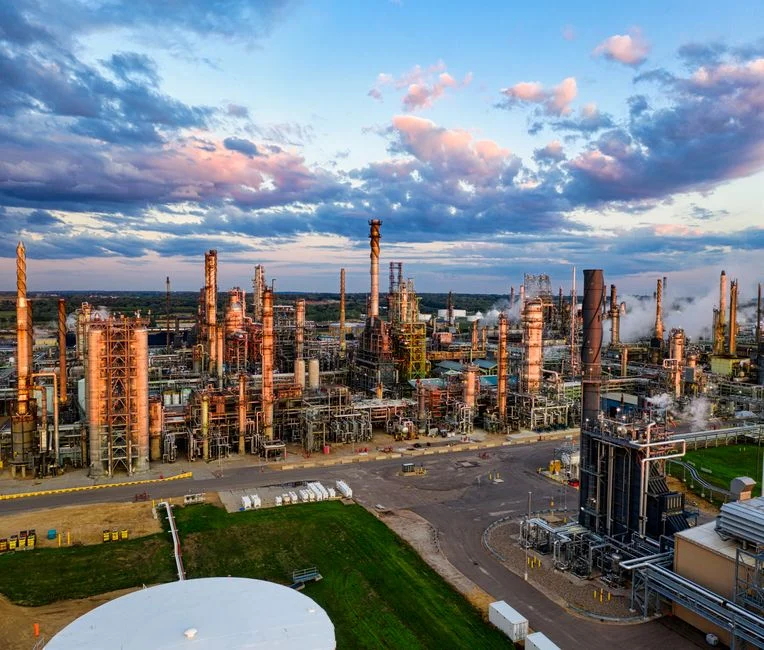
The $39 billion price tag reflects confidence in Dangote's capacity to process crude oil into refined petroleum products for West Africa's growing energy demands. The private placement attracted participation from institutional investors seeking exposure to Nigeria's downstream sector, according to Nairametrics, which first reported the development. The refinery, located in the Lekki Free Trade Zone near Lagos, represents the largest single-train refinery complex in the world.
Daba Finance analysts noted that the valuation implies a substantial premium compared to peer refineries in emerging markets. The private placement precedes an expected public listing that could unlock significant capital for expansion projects across the region.
Strategic Position in West African Energy Markets
The refinery's 650,000-barrel-per-day capacity positions it to serve as a major supplier of diesel, petrol, and jet fuel across West Africa. Before the facility began operations, Nigeria relied heavily on imported refined petroleum products despite being Africa's largest crude oil producer. The Dangote complex has altered that dynamic, reducing the nation's dependence on foreign refineries and foreign exchange expenditures on fuel imports.
Market participants point to the valuation as evidence that investors recognise the strategic importance of domestic refining capacity. Nigeria's state oil company and private trading firms have historically spent billions of dollars annually importing fuels that Dangote now produces locally.
Revenue and Economic Contribution
The refinery has generated substantial foreign exchange savings for Nigeria's balance of payments. Local production of petrol and diesel eliminates the need for import contracts that previously drained foreign reserves. Economists tracking Nigeria's external accounts have cited these savings as a significant factor in recent currency stability.
The company has also become a major taxpayer and employer, contributing to government revenue collections and providing skilled positions in a country where manufacturing jobs remain scarce.
What the IPO Means for Capital Markets
A successful public listing would represent a watershed moment for Nigeria's stock exchange and could draw international capital flows into the country. Nigerian markets have struggled to attract significant foreign investment in recent years amid currency volatility and broader macroeconomic uncertainty. A high-profile energy IPO could shift investor perceptions and encourage other large corporations to consider domestic listings.
The offering would also provide retail investors in Nigeria with an opportunity to own shares in the continent's most prominent industrial venture. Dangote Group founder Aliko Dangote has long indicated plans to list the refinery, and the private placement signals that those timelines are accelerating.
Financial advisors in Lagos suggest that demand from local pension funds and asset managers could be substantial. The Nigerian stock exchange has seen limited large-cap IPOs in recent years, creating pent-up appetite for quality listings.
Risks and Market Considerations
Despite the optimistic valuation, investors will weigh several factors before committing capital. Crude oil pricing volatility directly impacts refinery margins, and Dangote must secure steady crude supply to maintain throughput. The facility currently relies on Nigerian crude grades, which can face logistical challenges during periods of infrastructure constraint.
Currency risk remains a consideration for foreign investors. The Nigerian naira has experienced significant volatility, and returns for overseas investors depend partly on exchange rate movements between the naira and major trading currencies.
Competition from other African refining projects could also affect long-term pricing power. New facilities in Algeria, Egypt, and South Africa are expanding the continent's total refining capacity, potentially creating oversupply conditions in certain product categories.
Broader Implications for Nigeria's Economy
The refinery's success carries implications beyond its corporate balance sheet. Nigeria's economy has long struggled with a paradox: massive crude oil production alongside chronic fuel shortages and import dependency. Dangote's facility directly addresses this contradiction by bringing refining capacity in line with production volumes.
Government officials have welcomed the development as evidence that large-scale industrial investment can thrive in Nigeria despite infrastructure challenges. The private placement valuation reinforces that message, suggesting institutional investors view the refinery as a commercially viable enterprise rather than a speculative venture.
The timing of the IPO could coincide with improved macroeconomic conditions in Nigeria. Inflation has moderated from its 2023 peaks, and the central bank has taken steps to stabilise the currency, creating a more favourable environment for capital market transactions.
Looking Ahead to the Listing
Market participants expect additional details about the IPO timeline to emerge in the coming weeks. The private placement has established a reference point for pricing in the public offering, giving analysts a benchmark against which to measure potential gains or losses upon listing.
Investors should monitor announcements from Dangote Petroleum Refinery regarding the official IPO date, the proportion of shares being offered, and any indications of anchor investor commitments. Those factors will shape demand dynamics when trading begins. The listing will test whether Nigeria's capital markets can support transactions of this magnitude and whether retail participation can match institutional enthusiasm.
See Also
- Galaxy's Nedbank Cup Loss Triggers Economic Jitters in Polokwane
- Energy Supplier Abandons Lake Tahoe for Data Centers