Google plans to release 32 million genetically engineered mosquitoes in California, aiming to tackle the rising threat of mosquito-borne diseases such as West Nile virus and Zika. This unprecedented move will begin in early 2024, focusing on heavily populated areas like Los Angeles County where mosquito populations are particularly dense.
Reason Behind the Initiative
The initiative, developed by Google’s parent company Alphabet through its subsidiary Verily, seeks to reduce the mosquito population by introducing genetically modified male mosquitoes. These males will mate with wild females, resulting in offspring that do not survive to adulthood. This method aims to significantly lower the number of mosquitoes, thus curbing disease transmission.
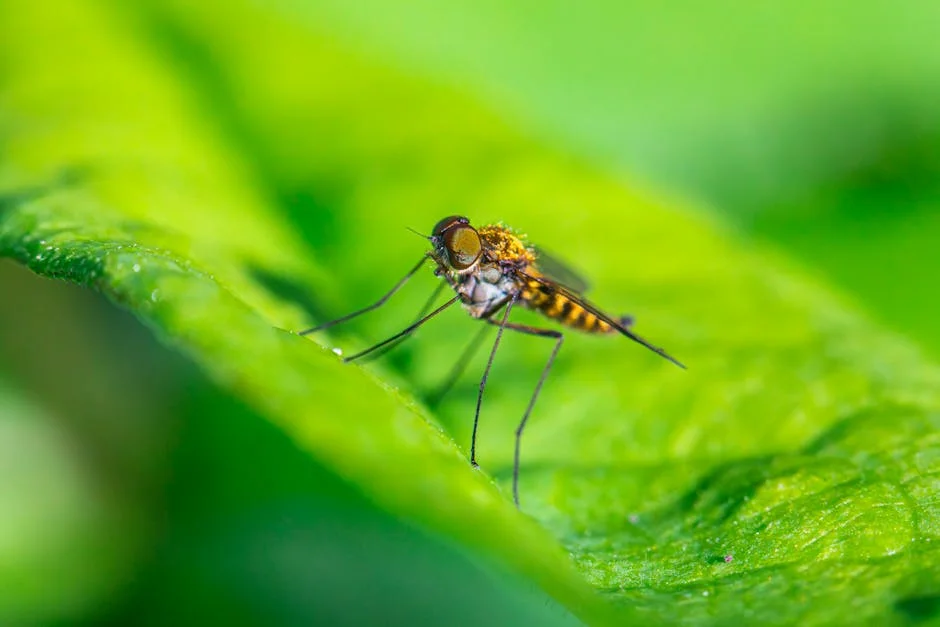
According to Verily, this strategy represents a viable alternative to traditional insecticides, which have seen diminishing results due to pesticide resistance. With California's warm climate, the state has become a hotspot for disease-carrying mosquitoes, making this initiative crucial for public health.
Market Reactions and Business Implications
The planned release has garnered mixed reactions from both the public and market analysts. Investors in biotech and agricultural innovation are keenly watching how this experiment unfolds. If successful, it could pave the way for similar initiatives across other states, creating potential economic opportunities in the biotech sector.
Analysts predict that companies engaged in genetic engineering and pest control could see increased funding and interest from investors as the demand for innovative pest management solutions rises. Verily's approach might set a new precedent in the agricultural and environmental sectors, driving companies to explore genetic modifications in pest control.
Investor Perspective on Biotechnology
Investors are particularly interested in the implications of Verily's project for the biotech landscape. As concerns about pesticide resistance grow, the demand for alternative solutions is likely to increase. The financial success of this project could signal a shift in investment toward environmentally friendly technologies that promise greater sustainability.
Additionally, if Verily demonstrates that genetic engineering can effectively combat mosquito populations without harming wildlife or human health, this could lead to a surge in similar projects, attracting significant investment in the biotech sector.
Regulatory Considerations
The release of genetically modified organisms often faces strict scrutiny from regulatory bodies. In California, the state’s Department of Public Health is monitoring the project closely, requiring Verily to meet specific safety and environmental criteria before full deployment. This regulatory environment is crucial in determining the project's success and its subsequent expansion.
While the initiative may accelerate, it is essential for stakeholders to ensure compliance with local and federal regulations to maintain public trust and support. The successful navigation of regulatory hurdles will be indicative of the project's broader acceptance in society.
Future Monitoring and Community Engagement
As the release date approaches, Verily has committed to engaging with local communities to ease concerns regarding the use of genetically engineered mosquitoes. Community education initiatives are vital for transparency and to address potential worries about the ecological effects of releasing modified insects.
Public perception will play a crucial role in the project's success; therefore, effective communication and engagement strategies will be essential as the initiative unfolds.
What to Watch Next
Looking ahead, stakeholders will closely monitor the initial deployment of these mosquitoes in early 2024. The success of this programme could reshape pest control practices not just in California but across the United States. Investors and businesses in the biotech sector will be eager to learn from this case study of genetic engineering in pest management.
The outcome may influence future regulations and funding for similar projects, potentially transforming public health approaches to mosquito-borne diseases for years to come.
See Also
- FIFA Installs AI Offside Tech at 2026 World Cup — And the Betting Industry Is Watching
- Mpumalanga Police Launch Probe After Cop Beats Man in Volksrust