Texas police arrested a Tesla Cybertruck driver on Tuesday after he drove his vehicle into Grapevine Lake to test the electric pickup's "wade mode" feature. The incident highlights the growing tension between aggressive marketing of new EV capabilities and the practical realities of consumer behavior and insurance risk. This event is not merely a local curiosity; it signals potential headwinds for Tesla’s valuation and the broader electric vehicle market as insurers reassess the risk profile of high-tech, durable-seeming vehicles.
Market Reaction to Consumer Behavior
The arrest in Grapevine, a suburb of Dallas, serves as a microcosm of how consumer perception can diverge sharply from engineering specifications. Tesla has heavily promoted the Cybertruck’s stainless-steel exoskeleton and IP68 water resistance rating, suggesting a level of invincibility that may encourage risky driving habits. Investors should note that such behaviors can translate into higher claim frequencies, directly impacting the cost of capital for Tesla and its competitors.
Wall Street analysts are already scrutinizing the long-term ownership costs of the Cybertruck. If "wade mode" becomes a common testing ground for new owners, insurance premiums could rise significantly. This would affect the total cost of ownership, a key metric for price-sensitive buyers in the current economic climate. A surge in premiums could dampen demand, particularly if the vehicle is perceived as a niche toy rather than a practical daily driver.
Insurance Implications for EVs
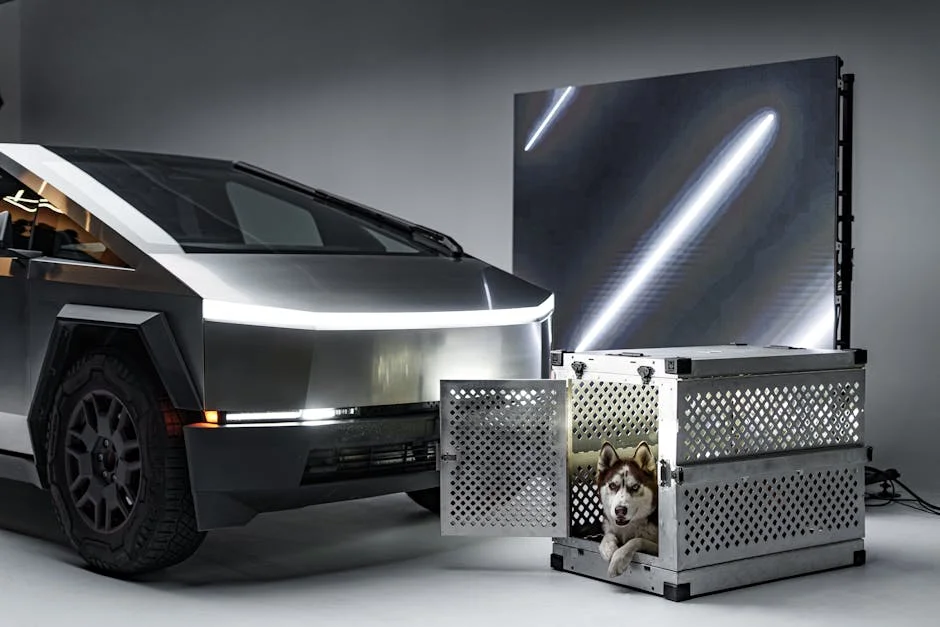
Insurers are particularly wary of the Cybertruck's repair costs. Unlike traditional steel panels, the ultra-hard stainless steel body is difficult to dent but challenging to repair without specialized tools and parts. This repairability issue has already led some major carriers to hike premiums for Cybertruck owners. The Grapevine incident adds a new variable: water damage. While Tesla claims the truck can wade through 3 feet of water, real-world conditions—mud, debris, and unexpected depth—can compromise seals and electronics.
The financial impact extends beyond Tesla. As more EVs enter the market with similar "adventure-ready" marketing, the entire auto insurance sector faces a re-evaluation of risk models. Traditional actuarial data, based on decades of internal combustion engine vehicles, may no longer be sufficient. This uncertainty creates volatility in the insurance stocks of major players like State Farm and Geico, which are now forced to invest heavily in new data analytics to price EV risk accurately.
Business Strategy and Brand Perception
Tesla’s branding strategy relies heavily on the "tech-toy" appeal of its vehicles. The Cybertruck, with its angular design and high price tag, targets early adopters willing to pay a premium for novelty. However, this strategy carries inherent risks. When customers treat a $100,000 vehicle as an off-road expedition rig without proper preparation, the resulting damages can erode brand loyalty. Negative word-of-mouth spreads quickly on social media, potentially affecting sales of other Tesla models.
From a business continuity perspective, Tesla must balance innovation with reliability. The company has faced scrutiny over software bugs and build quality in the past. The Cybertruck’s wade mode feature, while impressive in controlled tests, requires clear communication to consumers about its limits. Failure to do so could lead to a class-action lawsuit or increased warranty claims, both of which would weigh on Tesla’s bottom line. Investors should watch for updates in Tesla’s quarterly earnings reports regarding warranty reserves and customer satisfaction scores.
Economic Impact on Texas and Local Economy
Texas is a pivotal market for Tesla, hosting its Gigafactory in Austin and a significant portion of its US sales volume. The state’s economic health is increasingly tied to the EV sector. Incidents like the Grapevine arrest draw national attention to Texas, influencing how other states view the regulatory environment for EVs. If Texas is seen as the wild west of EV adoption, other states may impose stricter testing and insurance requirements, potentially slowing down national EV penetration.
Local businesses in Grapevine and the Dallas-Fort Worth area could also feel the ripple effects. Auto repair shops, dealerships, and insurance agencies are already adapting to the influx of EVs. The Cybertruck’s unique design means fewer local shops can handle repairs, leading to longer wait times and higher labor costs. This supply-side constraint can drive up prices for consumers, further impacting the local auto service economy. Small businesses that fail to invest in EV-specific training and equipment may find themselves at a competitive disadvantage.
Regulatory Response and Policy
Texas regulators are likely to respond to such incidents by tightening vehicle inspection standards or updating insurance codes. The Texas Department of Insurance may issue new guidelines for EV coverage, focusing on battery health and water damage. These regulatory changes could increase compliance costs for insurers, which would eventually be passed on to consumers. Policymakers in Austin must balance the need to foster innovation with the necessity of consumer protection.
At the federal level, the National Highway Traffic Safety Administration (NHTSA) may also take note. If wade mode becomes a common feature across EV brands, the NHTSA could mandate specific testing protocols for water resistance. This would add another layer of cost and complexity for automakers, potentially slowing the rollout of new models. Investors in the auto sector should monitor federal regulatory filings for any new mandates related to EV durability and safety.
Investment Perspective and Future Outlook
For investors, the Cybertruck incident is a reminder that technology alone does not guarantee market success. User experience, maintenance costs, and insurance affordability are critical factors. Tesla’s stock price has been volatile, reflecting broader market sentiments about growth versus value. The Cybertruck’s ability to retain value over time will be a key indicator of its long-term success. If depreciation rates are high due to repair costs or perceived fragility, Tesla’s used-car market could suffer, affecting residual values and lease revenues.
The broader EV market is also watching this development. Competitors like Ford, Rivian, and Lucid are launching their own electric pickups and SUVs. If the Cybertruck is perceived as high-maintenance or risky, it could give competitors an edge. Conversely, if Tesla can effectively communicate the reliability of its wade mode and repair network, it could solidify its leadership position. Investors should diversify their EV holdings to mitigate brand-specific risks.
What to Watch Next
Investors and consumers should monitor Tesla’s upcoming earnings call for details on Cybertruck warranty claims and insurance partnerships. The company may announce new insurance products or repair center expansions to address these issues. Additionally, watch for regulatory updates from the Texas Department of Insurance and the NHTSA. These developments will provide clarity on the long-term economic impact of EV adoption and the sustainability of Tesla’s market leadership. The next quarter will be critical in determining whether the Cybertruck is a long-term winner or a short-term novelty.
See Also
- Madhya Pradesh Launches Business Helpline — Markets React
- Turlov Family Office Unlocks Bitcoin Liquidity Without Selling Assets
The Cybertruck’s ability to retain value over time will be a key indicator of its long-term success. This supply-side constraint can drive up prices for consumers, further impacting the local auto service economy.