ASEAN is set to sign a landmark framework agreement aimed at enhancing the regional digital economy in November 2026. This initiative, driven primarily by Singapore's Ministry of Communications and Information, seeks to streamline regulations and promote cross-border e-commerce among member states.
Understanding the Digital Economy Framework
The upcoming agreement represents a significant step for ASEAN, which comprises ten member nations including Indonesia, Thailand, and Vietnam. The digital economy has rapidly become a vital component of regional trade, with e-commerce valued at an estimated $100 billion in 2022, a figure projected to double by 2025.
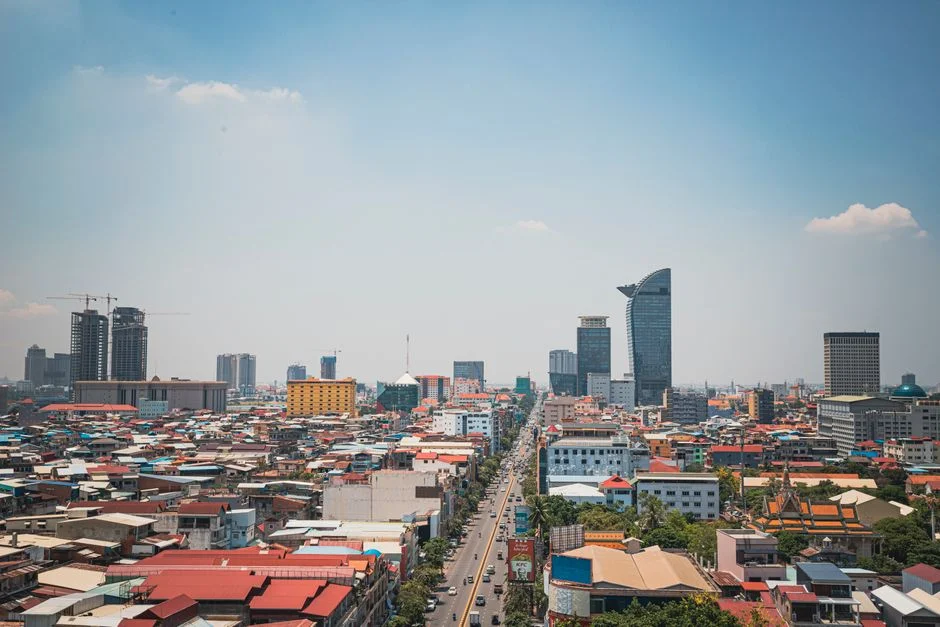
This framework will address various aspects of the digital economy, including data flows, digital payments, and cybersecurity measures. By creating a cohesive regulatory environment, ASEAN aims to foster innovation and collaboration across member states, ultimately boosting economic growth in the region.
Market Reactions and Business Implications
Markets have reacted positively to the news of the digital economy framework, with shares in technology companies across ASEAN seeing a surge. Analysts forecast that businesses, particularly SMEs (small and medium enterprises), will benefit from easier access to cross-border markets. Singapore, being the region's economic hub, is expected to lead the way in implementing these new regulations.
For investors, the digital economy represents a new frontier, particularly in sectors such as fintech and e-commerce. The agreement is likely to attract foreign direct investment as companies look to capitalise on Singapore's digital infrastructure and expertise.
Why Singapore's Role is Critical
Singapore's involvement as a leader in the ASEAN digital economy initiative underscores its position as a central financial nexus in Southeast Asia. According to the World Bank, Singapore ranks first in terms of ease of doing business and digital adoption, making it an ideal location for businesses aiming to expand within ASEAN.
Furthermore, Singapore's experience in navigating regulatory challenges will be critical in shaping the framework. The Singapore government has already invested heavily in digital infrastructure, making it a beacon for innovation in the region.
Consequences for Regional Economies
The implications of this framework extend beyond regulatory improvements. By promoting interoperability among digital services, ASEAN hopes to level the playing field, allowing smaller nations to benefit from the growing digital economy. Countries like Laos and Myanmar, which have lagged in digital adoption, may experience accelerated growth as they integrate into the ASEAN framework.
In addition, regional trade within ASEAN could see an increase of up to 30% over the next five years, according to estimates from industry experts. This surge will likely stimulate job creation and economic resilience in the face of global economic uncertainties.
What’s Next for ASEAN's Digital Economy?
Looking ahead, the successful signing of the digital economy framework will not only reshape trade relationships within ASEAN but also set a precedent for other regions. The ASEAN Economic Community has always aimed for deeper integration, and the digital economy framework could be a crucial component of this vision.
Businesses and investors should prepare for further announcements leading up to the November 2026 signing. As negotiations develop, continued updates on regulatory changes and market opportunities will be vital for stakeholders aiming to harness the potential of ASEAN's expanding digital landscape.
According to the World Bank, Singapore ranks first in terms of ease of doing business and digital adoption, making it an ideal location for businesses aiming to expand within ASEAN.Furthermore, Singapore's experience in navigating regulatory challenges will be critical in shaping the framework. Countries like Laos and Myanmar, which have lagged in digital adoption, may experience accelerated growth as they integrate into the ASEAN framework.In addition, regional trade within ASEAN could see an increase of up to 30% over the next five years, according to estimates from industry experts.