In 2022, the global cruise industry welcomed over 29 million passengers, marking a stunning rebound from the pandemic-induced slump. This resurgence underscores a pivotal shift in modern tourism, where travelers increasingly favor sea voyages over traditional land-based vacations. As technology continues to reshape the tourism landscape, cruise travel emerges as a compelling option, blending luxury with adventure on the high seas.
The Digital Transformation of Cruise Tourism
The cruise industry is embracing digital innovation at an unprecedented rate. From artificial intelligence to virtual reality, cruise lines are leveraging technology to enhance passenger experiences and streamline operations. This digital revolution is not just a trend but a necessity in an era where travelers demand seamless, personalized experiences.
Smart Ships and Tech-Enhanced Experiences
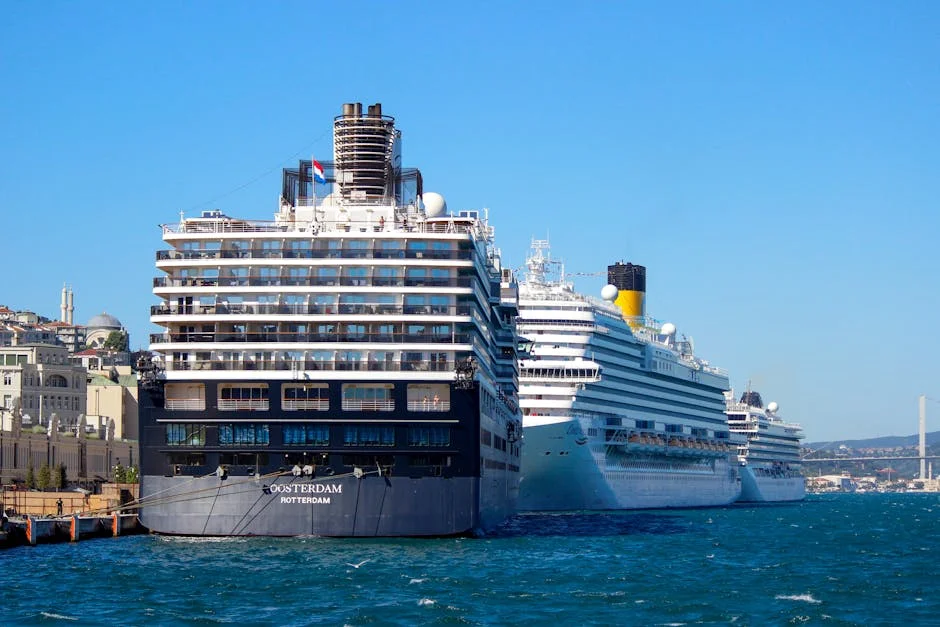
Modern cruise ships are akin to floating cities, equipped with state-of-the-art technology that transforms the passenger experience. These smart ships offer:
- Keyless cabin entry using smartphones or wearable devices.
- AI-powered personal assistants that cater to travelers' needs.
- Virtual reality entertainment options, including immersive games and tours.
- Advanced navigation systems enhancing safety and efficiency.
These innovations not only improve convenience but also open new possibilities for entertainment and engagement on board. The integration of technology in cruise tourism is pivotal in attracting tech-savvy travelers who seek unique and sophisticated experiences.
Personalization and Data-Driven Services
In the digital age, personalization is paramount. Cruise lines are harnessing big data to tailor experiences to individual preferences. Data-driven insights allow companies to offer:
- Customized dining options based on dietary preferences.
- Personalized excursion recommendations.
- Targeted marketing and promotions for repeat customers.
- Real-time itinerary updates via mobile apps.
This level of customization enhances customer satisfaction and fosters loyalty, as travelers feel valued and understood. The ability to anticipate and meet guest expectations is a significant competitive advantage in the crowded travel market.
Global Trends Shaping Ocean Travel
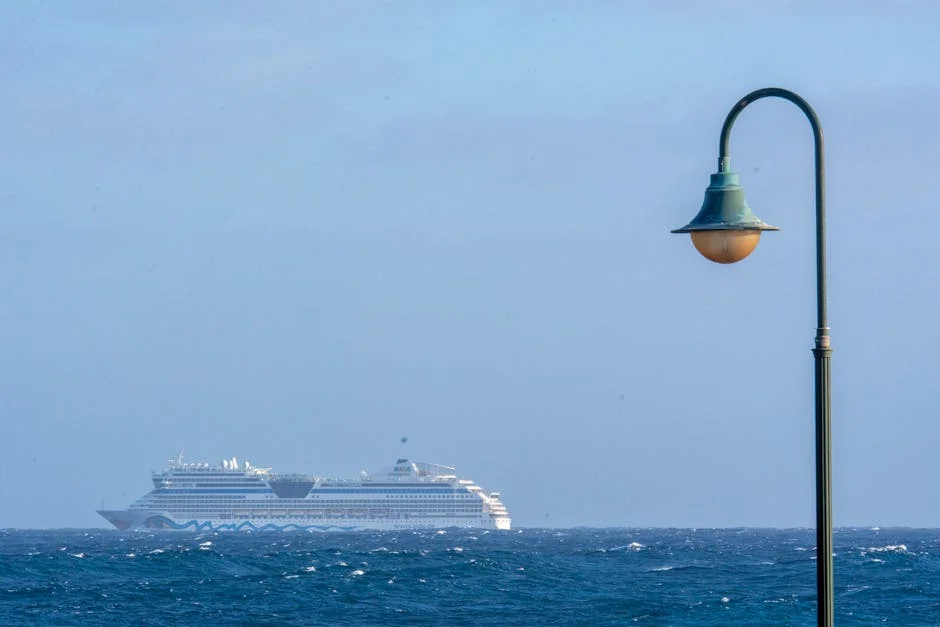
As the cruise industry navigates through the digital era, several global trends are influencing how travelers choose their sea voyages. These trends reflect broader societal shifts and technological advancements.
Sustainable Cruising and Environmental Initiatives
Environmental sustainability is a pressing concern for travelers and cruise lines alike. The industry is responding with initiatives aimed at reducing its ecological footprint:
- Utilization of cleaner, more efficient fuel options.
- Implementation of waste reduction and recycling programs.
- Investment in sustainable port infrastructure.
- Education programs promoting environmental awareness among passengers.
These efforts are crucial in attracting environmentally conscious travelers who prioritize sustainability in their travel choices. The commitment to green practices not only benefits the planet but also aligns with the values of a growing segment of the travel market.
Experiential Travel and Cultural Immersion
Today's travelers seek more than just relaxation; they crave authentic, immersive experiences that connect them with the destinations they visit. Cruise lines are adapting by offering:
- Local culinary experiences and cooking classes.
- Guided tours led by local experts.
- Onboard cultural workshops and performances.
- Unique itineraries that visit less-traveled ports.
This shift towards experiential travel reflects a desire for meaningful engagement with the world, a demand that the cruise industry is well-positioned to meet through its diverse offerings and global reach.
Technology's Role in Booking and Planning
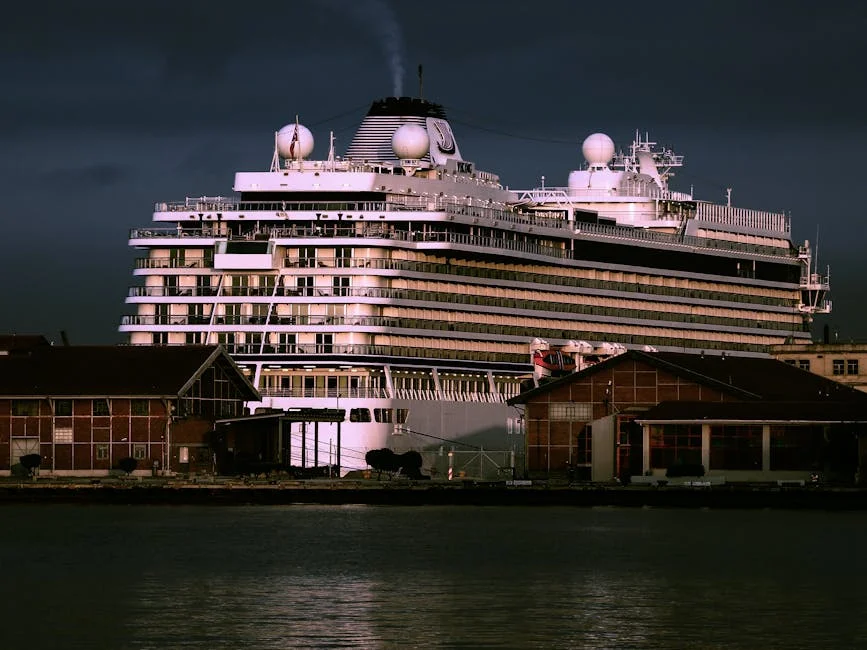
The process of booking a cruise has evolved significantly with the advent of digital platforms and online resources. Travelers now have access to a wealth of information and tools that make planning a sea voyage more accessible and tailored than ever before.
Online Platforms and Travel Agencies
Digital platforms have revolutionized the way travelers discover and book cruises. Websites like Service for Travel offer expertly curated cruise tour packages that cater to a wide array of interests and budgets. These platforms provide:
- User-friendly interfaces for easy navigation and booking.
- Comprehensive information on itineraries, cabin options, and pricing.
- Customer reviews and ratings for informed decision-making.
- Exclusive deals and promotions for registered users.
Such resources empower travelers to compare options, read authentic reviews, and make informed choices, ultimately enhancing the booking experience and ensuring a memorable cruise.
Mobile Apps and Real-Time Connectivity
Mobile technology is another crucial factor in the modern cruise experience. Cruise lines and travel agencies are developing apps that offer:
- Real-time updates on cruise itineraries and activities.
- Instant messaging with onboard staff for assistance.
- Access to digital boarding passes and travel documents.
- Interactive maps and guides for exploring destinations.
These apps provide convenience and connectivity, allowing travelers to manage their cruise experience from the palm of their hand. They also enhance safety and communication, offering peace of mind to passengers throughout their journey.
The Future of Sea Voyages
As we look to the future, the cruise industry is poised for continued growth and innovation. Emerging technologies and evolving traveler preferences will shape the next era of sea voyages, offering exciting possibilities for both passengers and cruise operators.
Virtual and Augmented Reality Experiences
Virtual and augmented reality hold immense potential for enriching the cruise experience. These technologies can offer:
- Virtual tours of ships and destinations before booking.
- Augmented reality guides for exploring ports and attractions.
- Immersive onboard entertainment and educational programs.
- Simulated experiences of historical events or natural phenomena.
By integrating these cutting-edge technologies, cruise lines can offer unique, interactive experiences that captivate and educate travelers, further setting themselves apart in a competitive market.
The Rise of Boutique and Themed Cruises
As the industry evolves, niche markets are emerging, with boutique and themed cruises gaining popularity. These specialized voyages cater to specific interests, offering:
- Culinary cruises featuring renowned chefs and gourmet experiences.
- Adventure cruises with activities like scuba diving and hiking.
- Cultural cruises focused on art, history, and local traditions.
- Wellness cruises with yoga, meditation, and spa treatments.
This trend towards specialization allows cruise lines to target diverse demographics and interests, providing personalized experiences that resonate with travelers' passions and preferences.
Conclusion: Setting Sail into the Digital Future
The cruise tourism industry stands at the forefront of a digital transformation, driven by technological innovation and changing traveler expectations. As the sector continues to evolve, it offers a wealth of opportunities for both travelers and operators to explore new horizons. With digital platforms like Service for Travel simplifying the booking process and enhancing customer experiences, the future of sea voyages looks promising. As the industry embraces sustainability and innovation, it navigates towards a future where luxury, adventure, and technology seamlessly intertwine. This dynamic evolution promises to redefine how modern travelers perceive and enjoy ocean travel experiences, setting a new course for the industry and its global audience.
See Also
- Amazon Prime Day Draws Record Shoppers — and Fraudsters
- Sundar Pichai Unveils Google Innovations at I/O — Impact on Business Trust