NextEra Energy has intensified its pursuit of a merger with Dominion Energy, positioning the deal as a strategic response to the explosive growth of data centers along the East Coast. This aggressive move by the Florida-based utility giant aims to capture a larger share of the regional power market, where demand is outpacing supply and driving up electricity prices for both businesses and residential consumers.
The proposed acquisition places significant pressure on Dominion’s shareholders and regulators in Richmond, Virginia. Investors are now scrutinizing how the combination of these two energy giants will influence power grid stability and pricing structures in a region facing unprecedented energy consumption. The stakes are high, as the outcome will likely shape the competitive landscape for utilities across the United States.
Strategic Positioning in the Data Center Boom
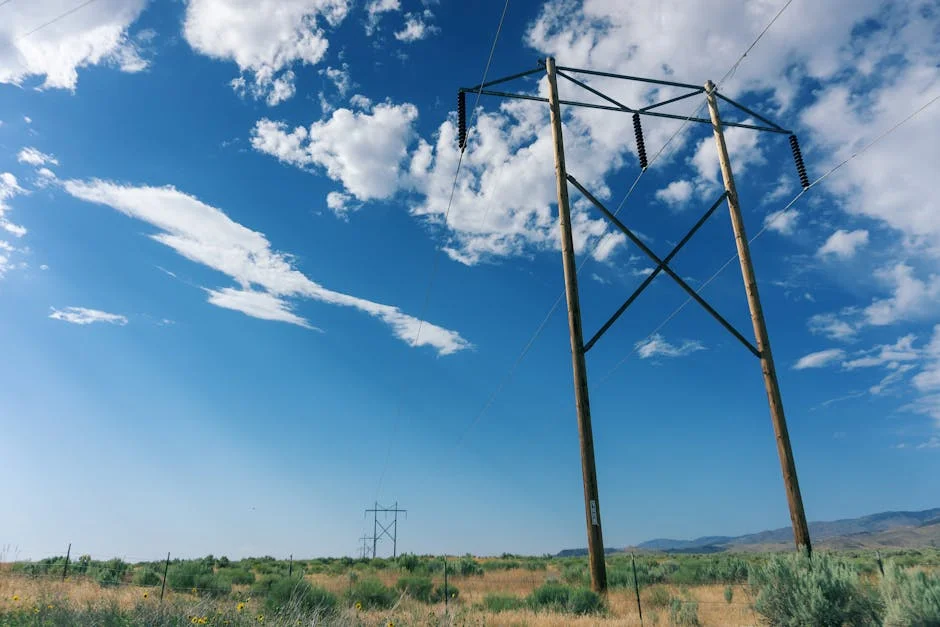
Data centers are consuming electricity at a rate that many utility planners did not foresee just five years ago. In Virginia, often referred to as the "Data Capital of the World," facilities housing servers for major tech firms are drawing massive amounts of power from the grid. NextEra recognizes that controlling the infrastructure in this high-demand corridor provides a competitive edge that pure-play renewable producers might lack.
The company argues that its extensive renewable energy portfolio can offer a cleaner, more cost-effective power source for these energy-hungry facilities. By merging with Dominion, NextEra aims to integrate its wind and solar assets with Dominion’s robust natural gas and nuclear fleet. This combination could provide the reliability that tech companies require while appealing to investors focused on environmental, social, and governance (ESG) metrics.
Market analysts view this as a defensive and offensive maneuver. Defensively, it locks in long-term contracts with major technology firms. Offensively, it expands NextEra’s geographic footprint beyond the traditional strongholds of Florida and Texas. The integration of these assets could create a more resilient energy mix, reducing the volatility that often plagues single-source energy providers.
Impact on Energy Markets and Pricing
Rising energy costs have become a primary concern for businesses operating in the Mid-Atlantic region. The surge in demand from data centers has strained existing transmission lines, leading to congestion charges and higher wholesale electricity prices. NextEra’s bid suggests that the company believes economies of scale and operational efficiencies can help mitigate some of these cost pressures for end-users.
Consumer and Business Implications
For residential customers in Virginia and the Carolinas, the merger could mean changes to their monthly utility bills. While NextEra has historically maintained competitive rates in Florida, the integration of Dominion’s older infrastructure might require significant capital investment. These investments are often passed on to consumers through regulated rate hikes, which could offset some of the initial savings from improved efficiency.
Businesses, particularly in the manufacturing and technology sectors, are watching the deal closely. Stable and predictable energy pricing is crucial for long-term planning. If the merged entity can secure favorable power purchase agreements (PPAs) with major data center operators, it could stabilize the broader market. However, there is a risk that increased market concentration could give the new utility more pricing power, potentially leading to higher costs for smaller commercial users.
- Increased competition among utility providers in the Southeast.
- Potential for stabilized electricity prices for large commercial users.
- Higher initial capital expenditures that may affect residential rates.
Investor Perspective and Market Reaction
Stock markets have reacted with cautious optimism to the news of the Dominion bid. NextEra’s shares have shown resilience, reflecting investor confidence in the company’s management team and its ability to execute large-scale integrations. The deal is seen as a way to diversify revenue streams and reduce reliance on the volatile renewable energy sector alone.
For investors, the merger offers exposure to both stable, dividend-paying utility assets and the high-growth renewable energy market. Dominion Energy has historically offered attractive dividends, which could enhance the overall yield of the combined entity. This dual appeal makes the deal particularly attractive to income-focused investors and growth-oriented funds alike.
However, the financial details of the bid are critical. The premium NextEra is willing to pay for Dominion will determine the immediate return on investment. If the acquisition price is too high, it could dilute earnings per share in the short term, potentially causing volatility in the stock price. Investors are closely monitoring the financial disclosures to assess the true value of the deal.
Regulatory Hurdles in Virginia
The merger faces significant regulatory scrutiny, particularly from the State Corporation Commission (SCC) in Richmond, Virginia. Regulators are concerned about the potential for reduced competition and the impact on consumer rates. The SCC has a history of closely examining utility mergers to ensure that the public interest is protected.
NextEra will need to present a compelling case that the merger will lead to tangible benefits for Virginia consumers. This could include commitments to lower rates, increased investment in grid modernization, and expanded renewable energy projects. The company must also address concerns about the environmental impact of the combined energy portfolio, balancing the need for reliability with the push for cleaner energy sources.
The regulatory process could take several months, during which uncertainty may persist in the market. Delays or unexpected conditions imposed by the SCC could affect the timeline and financial structure of the deal. NextEra’s legal and regulatory teams are likely working closely with local stakeholders to smooth the path to approval.
Broader Economic Implications
The potential merger has broader implications for the U.S. energy economy. As data centers continue to expand, the need for reliable and affordable power becomes increasingly critical. A successful integration of NextEra and Dominion could set a precedent for how utilities adapt to the new energy landscape. It could also influence how other utilities approach their own growth strategies, potentially leading to more consolidation in the sector.
The deal highlights the growing importance of energy infrastructure in the broader economic strategy. Reliable power is essential for attracting and retaining major employers, particularly in the technology sector. By strengthening its position in the Mid-Atlantic, NextEra could help secure the region’s economic competitiveness. This has implications for local job markets, tax revenues, and overall economic growth.
From a macroeconomic perspective, the merger could also influence energy prices nationwide. If the combined entity achieves significant cost savings through operational efficiencies, these benefits could ripple through the market. However, if the merger leads to increased market concentration, it could also contribute to higher energy costs for businesses and consumers in other regions.
Environmental and Sustainability Goals
Sustainability is a key component of NextEra’s brand identity. The company has set ambitious goals for reducing carbon emissions and expanding its renewable energy capacity. The merger with Dominion, which has a significant natural gas and nuclear presence, presents an opportunity to accelerate these goals. NextEra plans to leverage its renewable assets to offset the carbon footprint of Dominion’s traditional power sources.
This strategy aligns with the broader trend of utilities transitioning to cleaner energy sources. Investors and consumers are increasingly demanding sustainable energy options, and the merger could position the combined entity as a leader in this space. The integration of solar and wind farms with natural gas peaker plants could provide a flexible and reliable energy mix that meets both environmental and economic objectives.
Environmental groups are watching the deal closely, with mixed reactions. Some see the merger as a chance to accelerate the transition to renewable energy, while others worry about the potential for increased natural gas dependency. The outcome of the regulatory review will likely influence how these groups perceive the deal and its long-term environmental impact.
What to Watch Next
The next critical step is the formal announcement of the merger agreement and the subsequent filing with the Securities and Exchange Commission. Investors should monitor the details of the financial terms, including the purchase price per share and the expected synergies. These details will provide clarity on the immediate financial impact of the deal for both companies.
Regulatory hearings in Virginia will also be a key focus. The State Corporation Commission will likely hold public hearings to gather input from stakeholders, including consumers, businesses, and environmental groups. The findings from these hearings will shape the conditions under which the merger is approved, if at all. Stakeholders should pay close attention to any commitments made by NextEra to address regulatory concerns.
Market participants should also watch for reactions from other utility companies. The merger could trigger a wave of consolidation in the sector, as other utilities seek to compete with the newly formed giant. This could lead to new acquisition announcements and shifts in market dynamics. Keeping an eye on competitor strategies will provide valuable insights into the broader trends in the energy market.
See Also
- US Counterterrorism Director Resigns Over War Dispute, Sparks Market Uncertainty
- José ‘Piculín’ Ortiz Dies — A Legend’s End
The company must also address concerns about the environmental impact of the combined energy portfolio, balancing the need for reliability with the push for cleaner energy sources. The deal highlights the growing importance of energy infrastructure in the broader economic strategy.
What is the latest news about nextera forces dominion energy merger amid data center surge?
Why does this matter for environment?
What are the key facts about nextera forces dominion energy merger amid data center surge?