Charles Simonyi, a renowned Microsoft engineer and billionaire, has made headlines by utilizing a unique method to bypass land tax obligations: living six months each year aboard a 233-foot superyacht. This unorthodox approach not only exempts him from local property taxes but also avoids the cumbersome construction regulations that land-based properties typically entail. Simonyi’s strategy shines a spotlight on broader discussions about wealth taxation, particularly in regions with high tax levies.
The Yacht Strategy: How It Works
Simonyi’s decision to use a superyacht as a primary residence is as much a lifestyle choice as it is a financial strategy. The vessel allows him to remain mobile, exploring international waters while strategically minimizing tax liabilities that would otherwise affect his substantial wealth. This approach leverages existing tax codes, which often exempt maritime residences from the land-based property tax system.
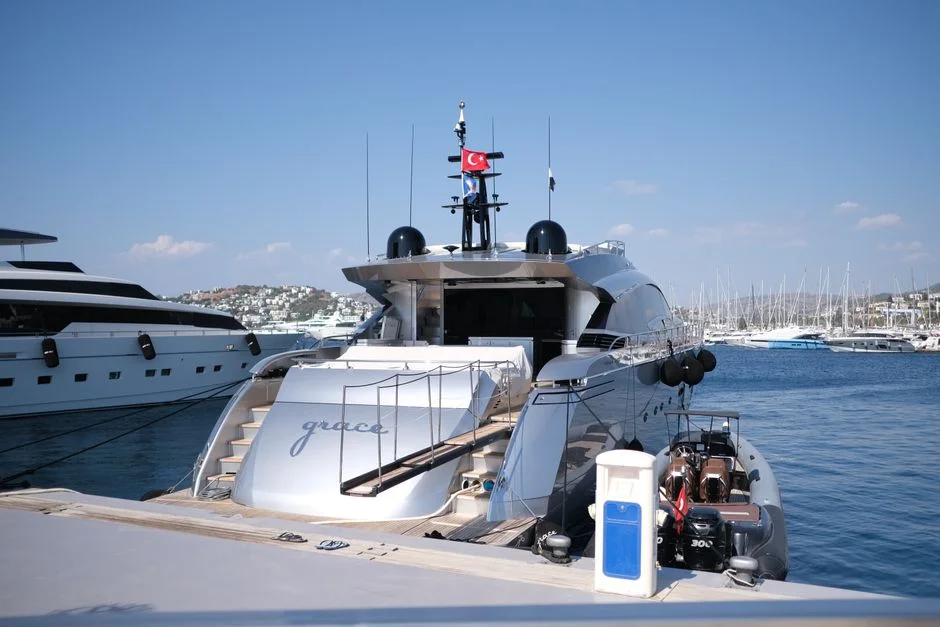
Yachts of this calibre come equipped with all the luxuries of a lavish estate, including state-of-the-art technology and ample space for entertainment and relaxation. By living partly on the sea, Simonyi avoids the legal and financial implications of maintaining a permanent residence in high-tax locations.
Background: The Economics of Superyachts
The superyacht industry has long been a symbol of luxury and wealth. In recent years, it has also become an avenue for affluent individuals to manage their tax exposures. The cost of owning and operating such a vessel can be eye-watering, but for the ultra-rich, the potential tax savings can offset these expenses.
Historically, yachts have been used by wealthy individuals to facilitate a degree of financial privacy and flexibility that is difficult to achieve through land-based holdings. This practice is not new; however, the scale at which it's being utilized is increasingly drawing attention from policymakers, especially in jurisdictions grappling with budget shortfalls.
Implications for the United States
Simonyi’s strategy raises critical questions about the sustainability of current tax systems. As income and wealth disparities widen, more affluent individuals might consider similar tactics to minimize their tax burdens. This could lead to a decrease in tax revenues for local governments heavily reliant on property taxes, potentially affecting public services.
The situation also presents a challenge for U.S. lawmakers, who need to balance the interests of wealthy individuals with the broader public need for infrastructure and services funded by tax revenues. This scenario may expedite discussions around wealth taxation and the closure of loopholes that allow such tax avoidance strategies.
Key Players and Their Observations
While Charles Simonyi is at the forefront due to his innovative approach, he is not alone. Several affluent individuals globally have adopted similar strategies. These players often engage legal and financial experts to navigate the complexities of international tax law effectively.
In the United States, institutions like the IRS and Treasury Department are key stakeholders in this ongoing dialogue. They have historically worked to devise measures aimed at curbing tax avoidance, although technology and globalization consistently present new challenges.
Reactions and Positions
The use of superyachts for tax minimization has drawn mixed reactions from experts and the public alike. Advocates argue that individuals are simply making use of existing laws, while critics claim it underscores the inequities present in the tax system.
Officials in high-tax regions are increasingly vocal about the need to overhaul tax codes to prevent revenue loss. Meanwhile, maritime law experts note that any changes must consider international regulations that govern maritime residence.
Broader Implications for the Industry
The spotlight on Simonyi's strategy could catalyse changes in how wealth management is approached in the context of international law. The growing trend of using movable assets like yachts for tax purposes might prompt international cooperation to address regulatory gaps.
Moreover, this could impact the luxury maritime industry, driving innovation in yacht design to cater to a new breed of clients seeking not just luxury but also financial advantages.
Future Developments
As discussions around wealth taxation intensify, stakeholders will likely keep a close eye on how jurisdictions respond to these emerging strategies. Any legislative changes could influence core aspects of tax planning for affluent individuals.
Financial advisors and estate planners will also monitor these developments, as shifts in policy could necessitate adjustments in asset management strategies. Investors should watch for signals from key legislative bodies in the U.S. and internationally for potential regulatory changes.
Looking forward, the next few years could see significant policy proposals aimed at addressing these innovative tax strategies, as governments seek sustainable revenue models amidst evolving economic landscapes.
See Also
- Anne Boleyn's DNA Reveals Shocking Truth About Tudor Economics
- Bayern's Upamecano Faces Key PSG Challenge — Impact on IN Markets Anticipated
The growing trend of using movable assets like yachts for tax purposes might prompt international cooperation to address regulatory gaps.Moreover, this could impact the luxury maritime industry, driving innovation in yacht design to cater to a new breed of clients seeking not just luxury but also financial advantages.Future DevelopmentsAs discussions around wealth taxation intensify, stakeholders will likely keep a close eye on how jurisdictions respond to these emerging strategies. See AlsoAnne Boleyn's DNA Reveals Shocking Truth About Tudor EconomicsBayern's Upamecano Faces Key PSG Challenge — Impact on IN Markets Anticipated