Russian universities are increasingly functioning as feeder systems for the nation’s drone warfare efforts, a shift that threatens to destabilize the country's long-term economic prospects. Moscow has intensified pressure on engineering and technical students to serve as unmanned aerial vehicle (UAV) pilots, effectively conscripting a new demographic into the wartime economy. This move signals a critical juncture for Russia’s labor market, as the state prioritizes immediate military utility over the cultivation of future corporate leaders and innovators.
Conscripting the Technical Elite
The Russian Ministry of Defense has expanded its recruitment drive beyond traditional military academies, targeting students at major technical universities in Moscow and Saint Petersburg. These institutions, once seen as the cradle of Russia’s post-Soviet tech boom, are now under direct pressure to supply skilled operators for the surge in drone usage on the Eastern Front. The strategy relies on the premise that technical graduates can master UAV controls faster than infantry recruits, providing a quick return on military investment.
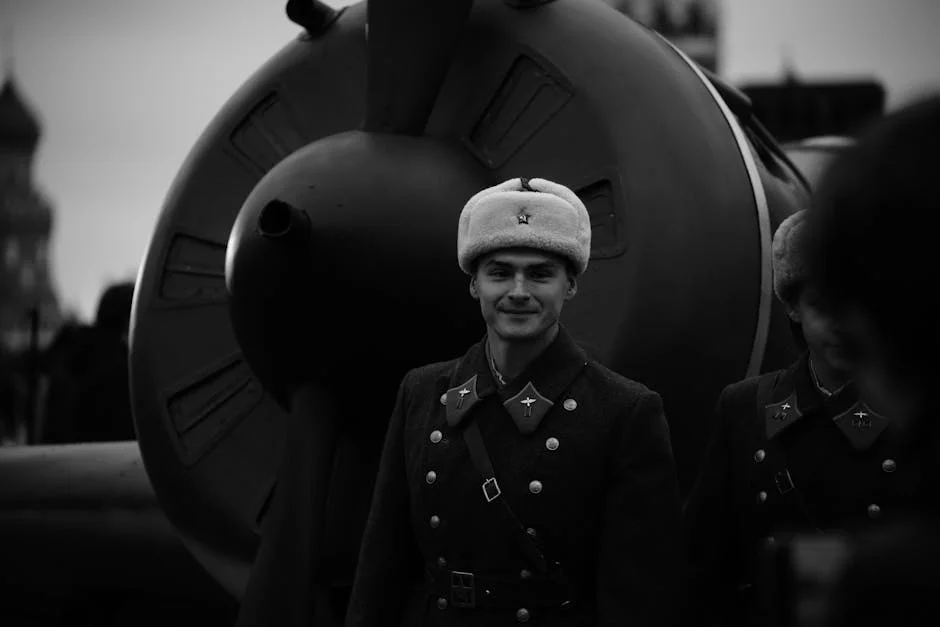
This recruitment push is not merely advisory. University deans have been instructed to integrate drone piloting modules into curricula, with the promise of accelerated degrees or debt forgiveness for those who enlist. For students at the Bauman Moscow State Technical University, the choice is becoming less about career aspiration and more about economic survival in a stagnant job market. The state is effectively subsidizing their education in exchange for immediate service in the skies over Ukraine.
Labor Market Distortions and Corporate Panic
The immediate consequence for Russian businesses is a sudden contraction in the pool of available technical talent. Companies in Moscow’s Skolkovo innovation district report difficulty filling entry-level engineering roles, as top graduates are lured away by the military’s competitive compensation packages. This brain drain affects sectors critical to Russia’s economic diversification, including software development, aerospace manufacturing, and renewable energy infrastructure. The distortion is particularly acute because the military is competing directly with private sector firms that were previously the primary employers of STEM graduates.
Impact on the Technology Sector
Tech firms in Russia are facing a dual threat: a shrinking talent pool and increased operational costs as they bid up salaries to retain staff. The departure of young engineers to the military reduces the velocity of innovation in domestic tech startups, which rely heavily on fresh graduates to drive product development. Investors in the Russian tech sector are growing wary, noting that the long-term human capital required to sustain growth is being consumed by short-term military needs. This dynamic undermines the very foundation of Russia’s attempt to build a resilient, tech-driven economy independent of oil revenues.
Investor Confidence and Market Volatility
International and domestic investors are closely monitoring this shift as a leading indicator of Russia’s economic health. The conscription of students suggests that the state is reaching for every available resource to maintain military momentum, signaling potential fiscal strain. Markets react to uncertainty, and the erosion of the young workforce introduces a long-term variable that is difficult to quantify but undeniably negative. Foreign direct investment in Russia has already slowed, but this specific demographic pressure adds a layer of structural risk that could deter capital inflows for years to come.
Stock prices of Russian defense contractors have surged, reflecting the immediate demand for drones and related hardware. However, this rally may be masking deeper structural weaknesses in the broader economy. The over-reliance on military spending to drive growth is a classic symptom of a wartime economy, but it often leads to inflation and currency volatility. Investors are increasingly asking whether the current military expenditure is sustainable or if it is borrowing heavily from the future productivity of the Russian workforce.
Demographic Decline and Economic Contraction
Russia has long struggled with demographic challenges, including a shrinking working-age population and an aging society. The loss of young, educated individuals to the drone war exacerbates these trends, potentially accelerating economic contraction. Each student who becomes a drone pilot is one less engineer, doctor, or entrepreneur contributing to the tax base and consumer economy. This demographic hit is compounded by the high casualty rates associated with UAV operations, which are no longer considered "low-risk" compared to traditional infantry roles.
The economic implications extend beyond the immediate loss of labor. A smaller future workforce means lower aggregate demand for goods and services, which can lead to deflationary pressures or stagnation. Businesses that rely on consumer spending may find their markets shrinking, forcing them to cut costs or invest in automation. This creates a feedback loop where the economy becomes less dynamic and more dependent on state subsidies, further reducing the attractiveness of the Russian market to investors.
Global Supply Chain and Trade Implications
The focus on drone production and operation has also impacted Russia’s trade relationships. The country has increased imports of electronic components and batteries, often sourcing them from Asian markets to bypass Western sanctions. This shift in trade flows affects global supply chains, particularly in the semiconductor industry, where demand from Russia competes with other emerging markets. The geopolitical alignment of these trade partners adds another layer of complexity for multinational corporations navigating the Russian market.
Furthermore, the militarization of Russian universities has led to increased scrutiny of academic partnerships between Russian institutions and foreign universities. Collaborations in engineering and technology fields are being reviewed for potential security risks, leading to a slowdown in knowledge exchange. This isolation reduces the global competitiveness of Russian graduates and limits the inflow of new ideas and technologies, further entrenching the country’s economic divergence from the rest of the world.
The Human Capital Crisis
At the heart of this issue is the devaluation of human capital. When a state treats its most educated young people as disposable assets in a military conflict, it signals a lack of confidence in the long-term economic model. This perception affects not only domestic morale but also the global brand of Russian education and technical expertise. Potential students and researchers may look elsewhere for opportunities, leading to a sustained outflow of talent that is difficult to reverse.
The psychological impact on the student body is also significant. The pressure to serve can lead to increased emigration, with many students choosing to leave the country rather than face conscription. This brain drain is a direct economic loss, as these individuals take their skills and savings abroad, often settling in countries that are currently competing with Russia for market share. The cumulative effect is a weakening of Russia’s competitive edge in the global economy.
Future Economic Trajectory
The long-term economic trajectory of Russia now hinges on how effectively it can balance its military needs with the preservation of its human capital. If the conscription of students continues at the current pace, the country risks entering a period of prolonged economic stagnation, characterized by a shortage of skilled labor and reduced innovation. The market will continue to react to these developments, with investors likely to demand higher risk premiums for exposure to the Russian economy.
Watch for upcoming changes in Russian military conscription laws and university enrollment figures in the next fiscal quarter. These metrics will provide early signals of whether the state is adjusting its strategy or doubling down on the student drone pilot initiative. Investors should monitor the performance of key tech sectors in Moscow for signs of talent shortages and wage inflation, which will serve as leading indicators of the broader economic impact. The next six months will be critical in determining whether this policy is a temporary wartime measure or a structural shift in Russia’s economic model.
See Also
- UN Approves Historic Slavery Reparations Resolution — Global Markets React
- BSE Sensex Plummets 640 Points — Nifty50 Opens Below 23,400
Investors should monitor the performance of key tech sectors in Moscow for signs of talent shortages and wage inflation, which will serve as leading indicators of the broader economic impact. Global Supply Chain and Trade Implications The focus on drone production and operation has also impacted Russia’s trade relationships.