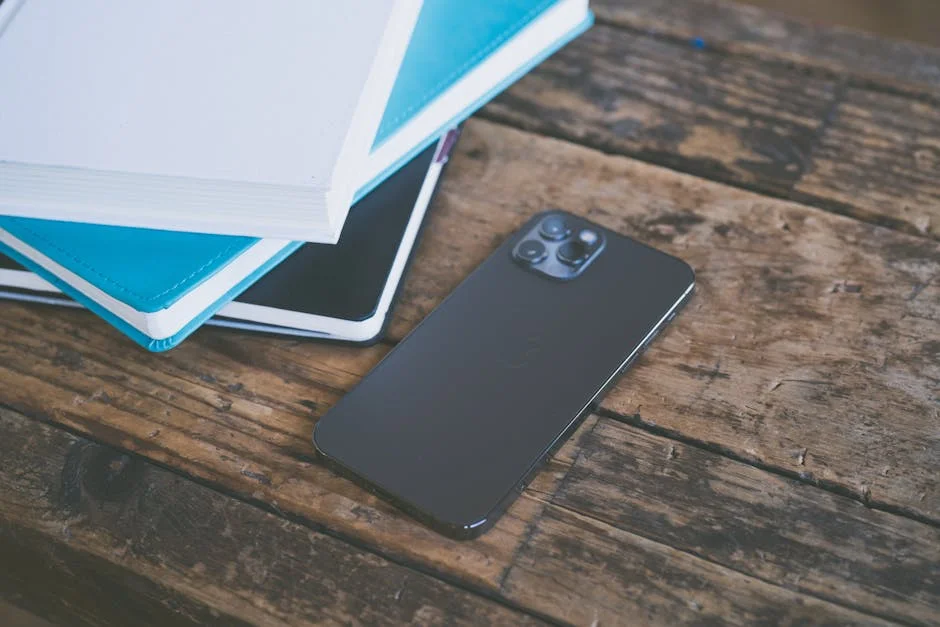
Apple has unveiled its latest flagship device, the iPhone 17 Pro, which boasts the fastest charging technology on the market today. This new model, introduced at a special event in Cupertino, California, can achieve a full charge in just 30 minutes, a significant improvement over its predecessor. Priced starting at $999, the iPhone 17 Pro is set to reshape consumer expectations and market competition.
Market Impact of Fast Charging Technology
The introduction of the iPhone 17 Pro is likely to trigger a wave of reactions across the tech market. With its 30-minute full charge capability, Apple positions itself not only as a leader in smartphone technology but also as a disruptive force against competitors like Samsung and Google. Analysts expect that this advancement could compel other manufacturers to accelerate their own charging technologies to keep pace.
According to a recent survey, 67% of consumers consider charging speed as a critical factor when purchasing a smartphone. Given this statistic, Apple’s innovation could lead to increased market share and revenue, appealing to both existing customers and new buyers eager for the latest technology.
Investor Sentiments Shift
Investors are closely monitoring Apple's stock in light of the iPhone 17 Pro release. Following the announcement, shares of Apple Inc. rose by 3.5% in after-hours trading, reflecting a bullish sentiment among shareholders. The company’s ability to consistently innovate has historically driven stock prices upward, and this latest model could further cement that trend.
Moreover, the fast charging feature is expected to enhance Apple's ecosystem, potentially leading to increased sales across accessories and related products. This holistic approach may increase consumer loyalty, which is vital for sustaining long-term growth.
Broader Economic Ramifications
The implications of Apple’s new technology extend beyond the company itself. The smartphone market heavily influences the global electronics supply chain, and Apple's advancements often set benchmarks for the industry. If competitors align their product offerings with Apple’s innovations, this could lead to a ripple effect across supply chains, affecting manufacturers, component suppliers, and retailers.
Furthermore, Apple’s continued success contributes significantly to the US economy. The company reported revenues of $394 billion in 2022, and any increase in sales from the iPhone 17 Pro could bolster economic activity in various sectors, including retail and technology services.
Consumer Expectations and Competitive Landscape
As consumers become accustomed to rapid advancements in technology, expectations regarding smartphone features increase. The iPhone 17 Pro’s fast charging is likely to raise the bar for future devices from all manufacturers. If rivals are unable to match this speed, they may find themselves at a disadvantage in a market that prioritises efficiency and convenience.
Additionally, the heightened competition could lead to price wars, as companies strive to entice consumers with attractive pricing on faster-charging models. This scenario could impact profit margins across the industry.
Looking Ahead: What’s Next for Apple?
As Apple prepares for the official launch of the iPhone 17 Pro on September 29, 2023, industry analysts will be watching sales figures closely. Pre-orders have already exceeded expectations, indicating strong initial demand. Following the launch, Apple’s next steps will involve marketing strategies and potential announcements regarding supply chain adjustments to meet the anticipated demand.
Investors and consumers alike will be eager to see how this new technology reshapes not only Apple’s trajectory but also the broader landscape of the smartphone market. Upcoming quarterly earnings reports will provide critical insights into the economic impact of this launch and consumer reception.