Wall Street closed higher on May 14, 2026, driven by a powerful rally in technology stocks and renewed optimism surrounding diplomatic engagements between Washington and Beijing. The S&P 500 and Nasdaq Composite both reached fresh all-time highs, signaling strong investor confidence despite lingering global economic uncertainties. Market participants are closely watching how these developments will shape the broader economic landscape in the coming months.
Technology Sector Leads Market Gains
The Nasdaq Composite surged past key resistance levels, buoyed primarily by the semiconductor giant Nvidia. Investors poured capital into the tech-heavy index as Nvidia shares climbed sharply, reflecting strong demand for artificial intelligence infrastructure. This rally underscores the continued dominance of chipmakers in the current market cycle. Technology stocks accounted for a disproportionate share of the overall market gain today.
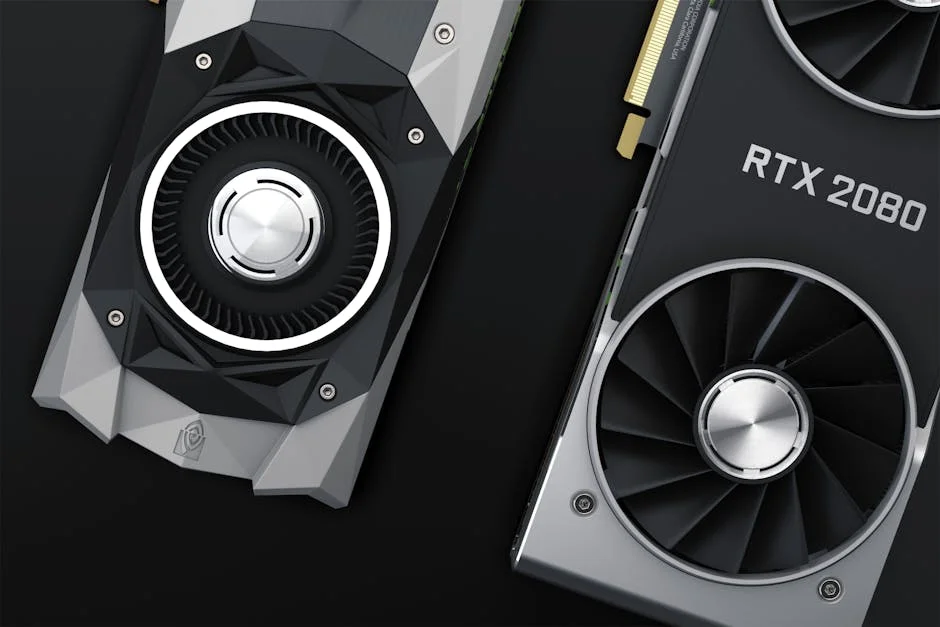
Nvidia’s performance highlights the enduring strength of the AI investment thesis. Companies across various sectors are increasing their capital expenditure on data centers and computing power. This trend is driving revenue growth for hardware suppliers and software providers alike. The market is pricing in sustained earnings growth for these tech leaders through the rest of the year.
US-China Diplomatic Engagements Influence Sentiment
Trade relations between the United States and China remain a critical factor for global markets. Recent talks between officials from both nations have focused on reducing tariffs and stabilizing supply chains. Investors are reacting positively to signals that a trade war may be cooling. This diplomatic progress reduces uncertainty for multinational corporations operating in both markets.
Understanding why China matters to the US economy is essential for investors. China remains the largest trading partner for many American industries. Any shift in trade policy can have immediate effects on corporate earnings and consumer prices. The current dialogue suggests a potential easing of tensions, which could boost export-oriented sectors.
How China affects the United States extends beyond simple trade balances. Financial markets in New York are increasingly sensitive to policy decisions made in Beijing. Changes in Chinese monetary policy or fiscal stimulus can ripple through global asset classes. Investors are monitoring these developments closely for clues about future economic growth.
Implications for Multinational Corporations
Large US corporations with significant exposure to the Chinese market are seeing their valuations adjust. Companies like Apple, Tesla, and Nvidia benefit from stable trade relations. A reduction in tariffs could improve profit margins for these firms. This potential for higher earnings is a key driver of the current market rally.
Smaller businesses are also feeling the effects of shifting trade dynamics. Supply chain costs are beginning to stabilize as logistical bottlenecks ease. This allows for more predictable pricing strategies for consumers. The broader economic impact is a gradual reduction in inflationary pressures related to imported goods.
Investor Behavior and Market Positioning
Investors are adjusting their portfolios to capitalize on the current market momentum. There is a noticeable shift towards growth stocks, particularly in the technology sector. This rotation reflects a belief that earnings growth will outpace interest rate increases. Risk appetite is returning to the market after a period of caution.
China analysis the United States perspective reveals complex interdependencies. Financial institutions are reassessing their risk models to account for potential policy changes. This leads to more nuanced investment strategies that balance domestic and international exposures. Diversification remains a key theme for institutional investors.
Individual investors are also responding to the market signals. Trading volumes have increased as retail investors enter the market. This participation adds liquidity and supports price stability. The broad-based nature of the rally suggests that confidence is spreading beyond just the largest tech companies.
Economic Indicators and Future Projections
Economic data released this week supports the optimistic market sentiment. Employment figures remain robust, and consumer spending continues to grow. These indicators suggest that the US economy is resilient despite global headwinds. The Federal Reserve is likely to maintain a steady monetary policy in the near term.
Nvidia news today reinforces the strength of the technology sector. The company’s latest earnings report exceeded analyst expectations. This positive performance is expected to drive further gains in the stock price. Other semiconductor companies are likely to benefit from the same upward trend.
Nvidia economy update highlights the broader impact of AI on productivity. Increased adoption of AI technologies is expected to boost efficiency across industries. This could lead to higher output and lower costs for businesses. The long-term economic benefits of AI are becoming increasingly apparent to investors.
Risks and Potential Headwinds
Despite the positive outlook, several risks remain for the market. Geopolitical tensions could flare up again, disrupting trade flows. Inflation could re-emerge if supply chains face new bottlenecks. Interest rates could rise if the Federal Reserve decides to tighten monetary policy further.
Market volatility is likely to persist in the short term. Investors should remain cautious and monitor economic indicators closely. Sudden shifts in sentiment could lead to rapid price adjustments. Diversification and risk management are essential strategies for navigating these uncertainties.
Regulatory changes could also impact the technology sector. Governments are increasingly scrutinizing the power of large tech companies. New regulations could affect business models and profitability. Investors need to stay informed about potential legislative actions that could influence market dynamics.
Strategic Outlook for Businesses
Businesses should focus on adaptability and innovation in the current environment. Companies that can leverage technology to improve efficiency will have a competitive advantage. Investing in digital transformation and AI capabilities is crucial for long-term growth. Businesses must also monitor global trade developments to adjust their supply chains accordingly.
Strategic partnerships with international firms can help mitigate risks. Collaborating with Chinese companies can provide access to new markets and technologies. However, businesses must carefully manage geopolitical risks. Due diligence is essential when forming international alliances.
Financial planning should account for potential market fluctuations. Companies should maintain healthy cash reserves to weather economic storms. Flexible budgeting and scenario planning can help businesses respond quickly to changes. This proactive approach can enhance resilience and sustain growth.
What to Watch Next Week
Investors should closely monitor the outcomes of the US-China talks. Any announcements regarding tariff reductions or trade agreements could significantly impact markets. The Federal Reserve’s next policy decision will also be a key focus. Interest rate changes will influence borrowing costs and consumer spending.
Earnings reports from major technology companies will provide further insights into sector health. Nvidia’s continued performance will be a bellwether for the tech industry. Investors should also watch for any new economic data releases. Employment and inflation figures will help shape expectations for future monetary policy.
Global geopolitical developments will continue to influence market sentiment. Elections and policy shifts in key economies could create new opportunities or risks. Staying informed about these external factors is essential for making informed investment decisions. The coming weeks will be critical for determining the direction of the market.
See Also
- Nvidia Unveils $150 Billion Investment Plan in Taiwan — Driving the AI Revolution
- Meta Pays $2 Billion to Settle Kentucky School District Lawsuit
What is the latest news about nvidia surges sp 500 hits record highs as uschina talks heat up?
Why does this matter for telecommunications?
What are the key facts about nvidia surges sp 500 hits record highs as uschina talks heat up?