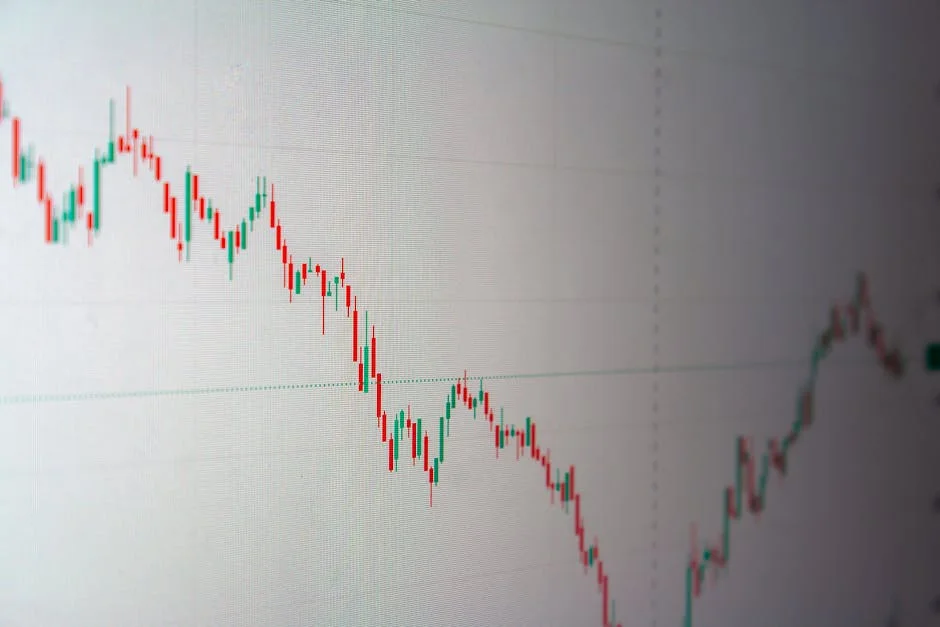
Global equity markets faced a stark test of resilience as the GIFT Nifty signaled a pronounced negative start for Indian stocks. Traders in Mumbai and Delhi watched the pre-market indicator with heightened anxiety, knowing that a sharp dip could trigger widespread selling pressure across the Nifty 50 and the Bombay Stock Exchange's Sensex. This volatility reflects broader uncertainty in global financial flows, directly impacting business investment decisions and consumer confidence in emerging markets.
Global Headwinds Pressure Emerging Markets
The decline in the GIFT Nifty is not an isolated incident but part of a broader trend affecting Asian shares. Investors are reacting to mixed economic data from major economies, which creates a ripple effect through emerging markets like India. When global giants stumble, capital often flees to safety, putting upward pressure on the US dollar and downward pressure on local currencies and equity indices.

This dynamic is critical for businesses that rely on foreign portfolio investment. A sudden outflow can increase the cost of capital for Indian corporations, making expansion plans more expensive. Companies in the technology and manufacturing sectors, which are heavily weighted in the Nifty 50, are particularly vulnerable to these shifts in investor sentiment. The market is essentially pricing in the risk of slower global growth and potential interest rate adjustments.
For investors in the United States looking at international diversification, this volatility presents both a risk and an opportunity. While short-term price swings can erode portfolio value, they also create entry points for long-term holdings. Understanding the mechanics of how global indices influence local markets is essential for making informed investment choices. The interplay between domestic economic fundamentals and external market forces defines the current trading landscape.
Understanding the GIFT Nifty Indicator
The GIFT Nifty, formerly known as the Mini Nifty, serves as a crucial barometer for the Indian stock market before the opening bell. Traded on the Global International Financial Technology (GIFT) City exchange in Gujarat, it allows investors to gauge market sentiment based on the performance of the top 50 companies listed on the National Stock Exchange. This pre-market signal helps traders in Mumbai adjust their strategies before the official start of trading.
Why This Metric Drives Daily Trading
The importance of the GIFT Nifty lies in its ability to capture overnight movements in global markets. When US markets close, European sessions begin, and by the time Asian markets wake up, the GIFT Nifty has already digested much of the global news flow. A significant drop in the GIFT Nifty often translates to a gap down in the Nifty 50, forcing institutional investors to react quickly. This mechanism ensures that the Indian market is not trading in a vacuum but is deeply integrated with global economic pulses.
For businesses, understanding this indicator is vital for hedging strategies. Multinational corporations with significant exposure to the Indian market use the GIFT Nifty to assess potential currency and equity risks. If the indicator shows a sharp decline, companies might delay major announcements or adjust their hedging positions to minimize exposure. This proactive approach helps stabilize earnings reports and maintain investor confidence during turbulent times.
Impact on Indian Business and Investment
The volatility signaled by the GIFT Nifty has direct implications for Indian businesses. A falling market can reduce the valuation of company shares, affecting the net worth of promoters and the market capitalization of firms. This can make it more expensive for companies to raise capital through equity offerings, potentially slowing down expansion plans and research and development investments. Sectors such as information technology and financial services are often the first to feel the heat during market corrections.
Investors must also consider the broader economic context. India's domestic economy remains robust, with strong GDP growth and a growing middle class. However, external shocks can temporarily overshadow these domestic strengths. The resilience of Indian markets depends on how well companies can navigate these global headwinds while maintaining strong balance sheets and steady earnings growth. This balance is crucial for sustaining long-term investor interest.
For foreign investors, the current market conditions require a nuanced approach. While short-term volatility can be unsettling, the long-term outlook for India remains positive. Diversifying across different sectors and maintaining a disciplined investment strategy can help mitigate the impact of daily market fluctuations. Understanding the specific drivers of the GIFT Nifty's movement allows investors to make more informed decisions rather than reacting impulsively to every market swing.
Market Reactions and Investor Sentiment
Traders in Mumbai are closely monitoring the GIFT Nifty for any signs of stabilization. A continued decline could lead to increased selling pressure in the opening minutes of trading, potentially dragging down the Sensex and Nifty 50. Institutional investors, including mutual funds and foreign portfolio investors, are likely to adjust their portfolios to hedge against further downside risk. This activity can create short-term liquidity pressures in the market.
Individual investors are also feeling the impact, with many opting for a wait-and-watch approach. Retail participation in the Indian stock market has grown significantly in recent years, making sentiment a key driver of daily price movements. When uncertainty rises, retail investors tend to become more cautious, leading to reduced trading volumes and heightened volatility. This behavior can amplify the effects of global market trends on local equity prices.
The reaction of market makers and liquidity providers is also critical. In times of high volatility, spreads can widen, making it more expensive for investors to enter and exit positions. This can affect the efficiency of the market and the overall cost of trading. Understanding these dynamics is essential for traders who rely on precise entry and exit points to maximize their returns. The market's ability to absorb shocks and maintain liquidity will be a key factor in determining the extent of the correction.
Economic Implications and Future Outlook
The broader economic implications of this market volatility are significant. A sustained decline in equity markets can affect consumer confidence and spending patterns. When household wealth tied to stock markets shrinks, consumers may become more cautious, leading to a potential slowdown in retail sales and services. This can have a ripple effect on corporate earnings, creating a feedback loop that further pressures the market.
For policymakers, maintaining stability in the financial sector is a top priority. The Reserve Bank of India and the Securities and Exchange Board of India are likely to monitor the situation closely, ready to intervene if necessary. Measures such as liquidity injections or adjustments to interest rates can help stabilize the market and restore investor confidence. The effectiveness of these policies will depend on the underlying causes of the volatility and the speed of implementation.
Looking ahead, the market will continue to be influenced by global economic developments and domestic policy decisions. Investors should remain vigilant and adaptable, adjusting their strategies to reflect changing market conditions. The key to navigating this environment is a balanced approach that considers both short-term risks and long-term opportunities. As the market evolves, those who understand the interplay between global trends and local fundamentals will be best positioned to succeed.
Strategic Considerations for Investors
Investors should focus on the underlying fundamentals of the companies they hold. While market volatility can be unsettling, strong companies with solid earnings and balance sheets are better equipped to weather the storm. Diversification across sectors and geographies can also help mitigate risk and smooth out portfolio returns. This strategic approach allows investors to benefit from long-term growth while minimizing the impact of short-term fluctuations.
It is also important to monitor global economic indicators and policy announcements. Changes in interest rates, inflation data, and trade policies can have a significant impact on market sentiment. Staying informed about these developments allows investors to anticipate potential market movements and adjust their portfolios accordingly. This proactive approach is essential for managing risk and maximizing returns in a dynamic market environment.
Finally, investors should maintain a disciplined investment strategy and avoid making impulsive decisions based on short-term market noise. Emotional reactions to volatility can lead to poor investment choices and erode long-term returns. By focusing on long-term goals and maintaining a diversified portfolio, investors can navigate market uncertainties with greater confidence and achieve their financial objectives. The key is to remain calm, informed, and strategic in the face of market volatility.
Investors and businesses must remain vigilant as global markets continue to evolve. The next few trading sessions will be critical in determining whether the current volatility is a temporary correction or the beginning of a longer trend. Watch for upcoming economic data releases from the US and Europe, as well as any policy announcements from the Reserve Bank of India. These factors will shape the market's trajectory and influence investment strategies for the coming weeks.
See Also
- Nvidia Slashes $300B in Market Value After Record Earnings Shock
- The Onion Targets Infowars With New Parody Initiative