Sheng Siong Group has secured its first jail sentence for a shoplifter using its proprietary facial recognition system, marking a pivotal moment for retail security in Singapore. This legal victory demonstrates that artificial intelligence is no longer just a backend efficiency tool but a frontline enforcement mechanism for physical stores. The case sets a new precedent for how supermarkets can leverage data to recover losses and deter theft.
The conviction sends a clear signal to investors and competitors that technology can directly impact the bottom line by reducing shrinkage. As retail margins tighten, the ability to identify repeat offenders in real-time offers a tangible return on investment. This development shifts the narrative from passive monitoring to active, data-driven prosecution.
Sheng Siong’s Legal Win Sets Retail Precedent
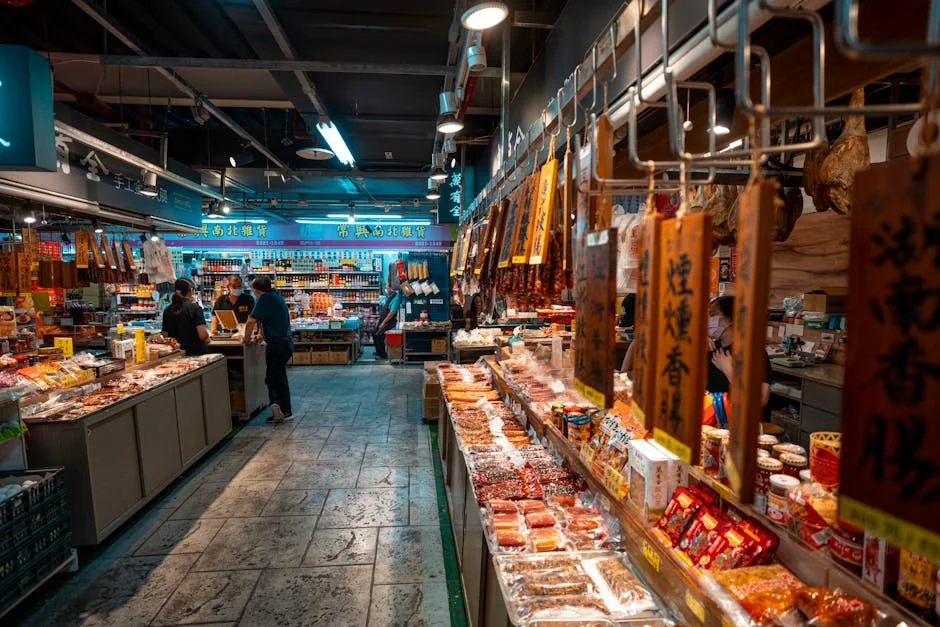
The supermarket chain successfully used video evidence enhanced by facial recognition software to identify a frequent offender who stole wine. The court accepted the digital footprint as compelling evidence, leading to a custodial sentence for the accused. This outcome validates the robustness of the technology under legal scrutiny. It proves that automated identification can hold up against traditional eyewitness testimony.
For Sheng Siong, this is more than a single victory; it is a validation of their strategic investment in smart store infrastructure. The company has spent years integrating cameras and sensors across its network of outlets. This case shows that the initial capital expenditure on hardware and software is yielding legal and financial returns. Other retailers are now watching closely to see if this model can be replicated.
Legal Validity of AI Evidence
The legal team for Sheng Siong argued that the facial recognition data provided an objective record of the shopper’s behavior. Unlike human memory, which can be fallible, the algorithmic match offered a consistent timeline of the theft. The judge’s acceptance of this evidence reduces the burden of proof for retail managers. It streamlines the process of moving a case from the checkout counter to the courtroom.
This precedent may encourage other Singaporean retailers to pursue legal action against chronic shoplifters. Previously, many stores opted to absorb the cost of stolen goods to avoid the hassle of court proceedings. With Sheng Siong’s success, the cost-benefit analysis has shifted in favor of prosecution. This could lead to a wave of similar cases in the coming months.
Market Implications for Singapore Retail Sector
The retail sector in Singapore is highly competitive, with thin margins that make every dollar of shrinkage critical. Sheng Siong’s approach offers a blueprint for how mid-sized supermarkets can compete with larger giants like FairPrice. By leveraging technology, smaller players can achieve operational efficiencies that were once the domain of tech-heavy retailers. This levels the playing field and enhances the attractiveness of retail stocks.
Investors are likely to view this development as a positive indicator for Sheng Siong’s operational discipline. The company’s ability to reduce theft directly improves its gross margin, which is a key metric for valuation. As the Singapore Dollar fluctuates and consumer spending patterns shift, operational efficiency becomes a primary driver of shareholder value. This case reinforces the market’s confidence in management’s strategic vision.
The broader implication is that retail technology is maturing from a novelty to a necessity. Companies that fail to adopt similar systems may find themselves at a disadvantage in terms of cost control. This could trigger a consolidation wave where tech-savvy retailers acquire or outmaneuver slower adopters. The market is beginning to price in these technological advantages.
Business Model Shifts and Operational Efficiency
Sheng Siong’s use of facial recognition represents a shift from reactive to proactive loss prevention. Traditionally, stores would identify a thief after the fact, often when the merchandise was already consumed or resold. With real-time alerts, staff can intervene immediately or flag the customer at the checkout. This immediacy increases the likelihood of recovery and serves as a deterrent to other shoppers.
The operational efficiency gains extend beyond just catching thieves. The data collected from the facial recognition system can be used to analyze customer flow and purchasing patterns. This allows for better inventory management and staffing decisions. For example, if a popular item is frequently stolen, the store can adjust its layout or security measures accordingly. This data-driven approach optimizes the entire store operation.
For business leaders, this case highlights the importance of integrating IT and operations. Siloed departments often lead to underutilized technology. Sheng Siong’s success suggests that when security, data analytics, and floor staff work in tandem, the results are multiplied. This integrated model is becoming a benchmark for retail excellence in Singapore.
Investor Perspective on Tech-Driven Retail
From an investment standpoint, Sheng Siong’s move signals a mature approach to capital allocation. The company is not just spending on technology for the sake of innovation; it is targeting specific pain points that affect profitability. Investors appreciate this focused strategy, as it reduces the risk of overpaying for unproven tech solutions. This disciplined approach is likely to attract value-oriented investors.
The potential for scalable returns is also a key consideration. If Sheng Siong’s system works in one store, it can be replicated across its entire network with relatively low marginal costs. This scalability enhances the long-term growth potential of the company. It suggests that the initial investment in facial recognition could yield compounding benefits over time. This is a compelling narrative for equity analysts covering the Singapore retail sector.
However, investors should also monitor the pace of adoption and the associated costs. While the initial success is promising, the long-term sustainability depends on continuous updates and maintenance of the technology. There is also the risk of consumer backlash if privacy concerns are not addressed. Balancing these factors will be crucial for maintaining investor confidence.
Privacy Concerns and Consumer Trust
The rise of facial recognition in retail raises significant questions about consumer privacy. Shoppers may feel uncomfortable knowing that their faces are being scanned and stored. Sheng Siong must navigate these concerns carefully to maintain customer loyalty. Transparency about how data is collected, used, and stored will be essential. Failure to communicate effectively could lead to brand erosion.
Regulators in Singapore are also keeping a close eye on data protection. The Personal Data Protection Act (PDPA) provides a framework, but the rapid pace of technological change often outstrips regulatory updates. Sheng Siong’s case may prompt further scrutiny from the Personal Data Protection Commission. This could lead to new guidelines or even fines if companies are not compliant.
Businesses must strike a delicate balance between security and privacy. Overreliance on surveillance can create a sterile, uninviting shopping environment. Conversely, too little security can lead to increased theft and higher prices. Finding the right equilibrium is a strategic challenge that will define the future of retail. Consumers will reward those who respect their data while ensuring a safe shopping experience.
Regional and Global Market Repercussions
While this case is centered in Singapore, its implications extend to the broader Asian market. Neighboring countries like Malaysia and Thailand are also investing heavily in retail technology. Sheng Siong’s success could serve as a proof of concept for regional expansion. Other retailers in Southeast Asia may look to Singapore as a testing ground for new tech initiatives.
Globally, the trend toward smart retail is accelerating. Companies in the United States and Europe are also experimenting with facial recognition and other AI tools. Sheng Siong’s case adds to the global body of evidence supporting the efficacy of these technologies. It suggests that the retail sector is on the cusp of a technological transformation that will reshape how we shop. This has significant implications for global supply chains and consumer behavior.
The international comparison is important for understanding the competitive landscape. If Singaporean retailers are moving faster than their global counterparts, it could create export opportunities for local tech providers. This could boost the Singaporean economy beyond just the retail sector. It positions Singapore as a hub for retail innovation, attracting foreign direct investment and talent.
Future Outlook and Regulatory Watchlist
As Sheng Siong continues to refine its facial recognition system, other retailers will likely follow suit. The next few months will be critical in determining whether this is a temporary trend or a permanent shift. Investors should watch for announcements from competitors regarding their own tech investments. This will help gauge the speed of adoption across the sector.
Regulatory developments will also play a crucial role. Any new guidelines from the Personal Data Protection Commission could impact the cost and complexity of implementing these systems. Companies need to stay agile and ready to adapt to changing rules. This regulatory uncertainty is a key risk factor for retail stocks in Singapore.
Consumers will ultimately decide the fate of facial recognition in retail. If they perceive the benefits to outweigh the privacy costs, adoption will accelerate. If not, retailers may need to pivot to less intrusive technologies. The coming year will provide valuable data on consumer sentiment and behavior. This will be a key metric for businesses and investors to monitor closely.
Privacy Concerns and Consumer Trust The rise of facial recognition in retail raises significant questions about consumer privacy. The next few months will be critical in determining whether this is a temporary trend or a permanent shift.
What is the latest news about sheng siongs facial recognition tech triggers first jail sentence in sg?
Why does this matter for cybersecurity?
What are the key facts about sheng siongs facial recognition tech triggers first jail sentence in sg?