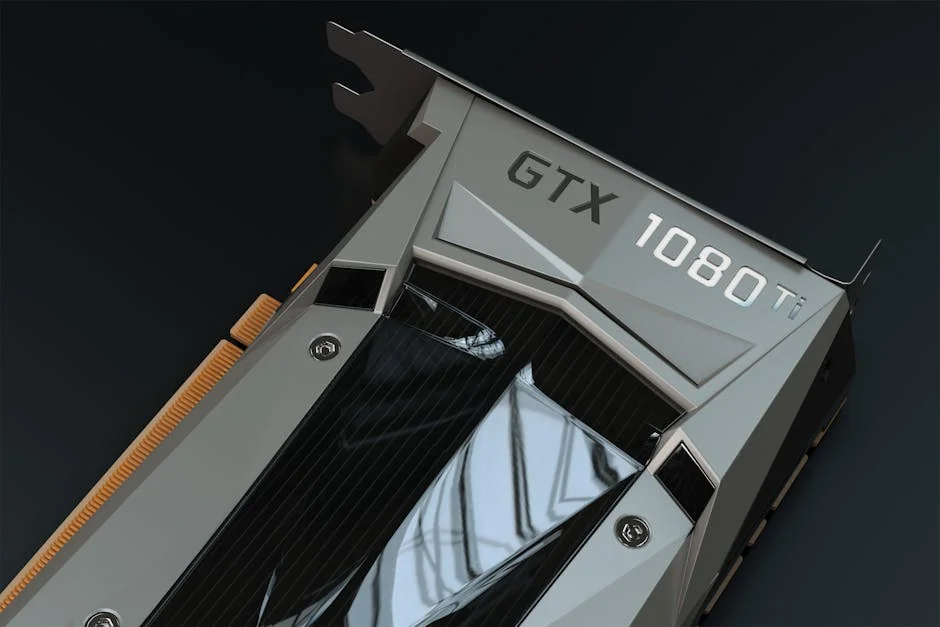
Nvidia’s latest earnings report reveals that the world’s most valuable chipmaker is increasingly a software empire. The company’s CUDA platform now locks in enterprise clients with a stickiness that pure hardware rivals struggle to match. This shift fundamentally alters how investors should value the stock in the coming quarters.
Wall Street is reacting swiftly to this realization, pushing Nvidia’s market capitalization toward new highs. However, this software-centric narrative introduces new risks for businesses relying on the ecosystem. The economic implications extend far beyond Silicon Valley, affecting global supply chains and digital infrastructure spending.
The CUDA Lock-In Effect

CUDA, or Compute Unified Device Architecture, is the software layer that allows programmers to harness the power of Nvidia’s Graphics Processing Units. It is not merely an add-on feature; it is the operating system for the artificial intelligence revolution. Developers in San Francisco and London write code specifically for CUDA, creating a barrier to entry for competitors.
This lock-in effect means that even if Intel or AMD produce a faster chip, companies may hesitate to switch. The cost of rewriting millions of lines of code is often higher than the price of the hardware itself. This dynamic gives Nvidia significant pricing power, allowing it to maintain high profit margins even as production costs fluctuate.
Investors are beginning to price in this software premium. Traditionally, hardware companies are valued at lower multiples because technology becomes commoditized quickly. Software companies, however, enjoy recurring revenue and higher retention rates. Nvidia is effectively bridging this gap, challenging the traditional valuation models used by analysts on Wall Street.
Market Reactions and Investor Sentiment
The financial markets have responded with enthusiasm, but caution is emerging among institutional investors. The surge in Nvidia’s stock price reflects confidence in its software dominance, yet it also suggests that expectations are nearly perfect. Any stumble in software updates could trigger a sharper correction than typical hardware cycles.
Trading volumes have increased as hedge funds adjust their portfolios to reflect this new reality. Many are increasing their exposure to Nvidia, treating it less like a cyclical tech stock and more like a utility. This shift influences broader market indices, particularly the Nasdaq 100, where Nvidia’s weight continues to grow.
For individual investors, this means the stock may become more volatile. Software valuations are sensitive to growth rates and user adoption metrics. If CUDA’s growth slows, the market could reprice Nvidia’s earnings per share significantly. This creates both opportunity and risk for those holding positions in the semiconductor giant.
Competitive Pressure from AMD and Intel
Competitors are aware of the software moat and are launching aggressive campaigns to chip away at CUDA’s dominance. AMD has introduced its own software stack, ROCm, aiming to provide a seamless migration path for developers. Intel is also pushing its oneAPI framework to unify computing across different processor architectures.
However, these efforts face a steep uphill battle. The inertia of existing codebases is a powerful force. Large enterprises in New York and Chicago are reluctant to upend their IT infrastructure without a compelling financial reason. This gives Nvidia time to refine its software offerings and expand its ecosystem further.
The competitive landscape is not static. As AI models become more complex, the need for efficient software optimization grows. If competitors can demonstrate superior performance or lower costs, the lock-in effect could weaken. Investors should monitor the adoption rates of ROCm and oneAPI closely, as these metrics will signal any erosion in Nvidia’s market share.
Business Implications for Enterprise Clients
For businesses investing in AI, the CUDA ecosystem offers both convenience and cost. Companies can deploy new AI models quickly because the software infrastructure is already in place. This speed to market is crucial in industries like finance and healthcare, where data processing time can mean the difference between profit and loss.
However, reliance on a single vendor carries risks. If Nvidia decides to raise prices for CUDA licenses or introduces new subscription models, businesses could face unexpected expenses. This vendor lock-in reduces bargaining power and can impact long-term budgeting strategies for CTOs and CFOs.
Enterprises are beginning to adopt hybrid strategies to mitigate this risk. Some are running workloads on both Nvidia and AMD chips to maintain flexibility. This trend could accelerate if software compatibility improves across platforms. Businesses that diversify their hardware suppliers may find themselves better positioned to negotiate favorable terms.
Economic Impact on the United States
Nvidia’s success has profound economic implications for the United States. As a domestic champion in the global tech race, Nvidia drives job creation in high-skilled sectors. The company’s headquarters in Santa Clara anchors a vibrant ecosystem of startups and suppliers, contributing significantly to the local and national GDP.
The software aspect of Nvidia’s business enhances this economic impact. Software jobs tend to have higher multipliers, meaning each dollar spent generates more economic activity than hardware manufacturing. This shift supports the argument for increased investment in software engineering education and infrastructure.
Furthermore, Nvidia’s dominance influences global trade dynamics. The United States exports not just silicon wafers but also intellectual property and software licenses. This strengthens the dollar and enhances the country’s competitive edge in the emerging AI economy. Policymakers in Washington are taking note of this trend as they craft tech trade policies.
Investment Perspective and Future Valuation
From an investment standpoint, Nvidia’s transformation into a software company changes the metrics that matter. Investors should look beyond revenue growth and focus on customer retention rates and average revenue per user. These software-specific indicators provide deeper insights into the sustainability of Nvidia’s earnings power.
Valuation models need to adjust accordingly. Traditional price-to-earnings ratios may understate Nvidia’s worth if the market treats it primarily as a hardware player. Applying software-like multiples could justify higher stock prices, but this also increases the sensitivity to growth deceleration. Investors must weigh these factors carefully.
Long-term holders should consider the durability of the CUDA moat. If Nvidia continues to innovate and expand its software ecosystem, the lock-in effect will strengthen. This could lead to compounding returns over the next decade. However, disruption is always possible in the tech sector, so diversification remains a prudent strategy.
What to Watch Next
The next earnings report will be critical in confirming the software narrative. Investors should pay close attention to the breakdown of revenue between hardware and software services. A growing proportion of software revenue would validate the market’s new valuation model for Nvidia.
Additionally, watch for announcements regarding CUDA compatibility with competitor chips. If Nvidia opens its software ecosystem to AMD or Intel processors, it could accelerate adoption but potentially dilute its pricing power. This strategic move would signal a maturation of the AI hardware market.
Finally, monitor regulatory actions in Washington and Brussels. As Nvidia’s market share grows, antitrust scrutiny may intensify. Regulators could examine whether CUDA’s dominance creates unfair barriers to entry for smaller competitors. These developments could reshape the competitive landscape and impact Nvidia’s stock price in the coming years.
See Also
- Brazil's 50-Year Constitution Fails to Deliver Equality — and Costs the Economy
- Redditor Applies to 1,500 Job Openings — Internet Demands He 'Go Back Home'
This vendor lock-in reduces bargaining power and can impact long-term budgeting strategies for CTOs and CFOs. This trend could accelerate if software compatibility improves across platforms.
What is the latest news about nvidia stock surges as cuda dominance exposes hardware vulnerability?
Why does this matter for telecommunications?
What are the key facts about nvidia stock surges as cuda dominance exposes hardware vulnerability?