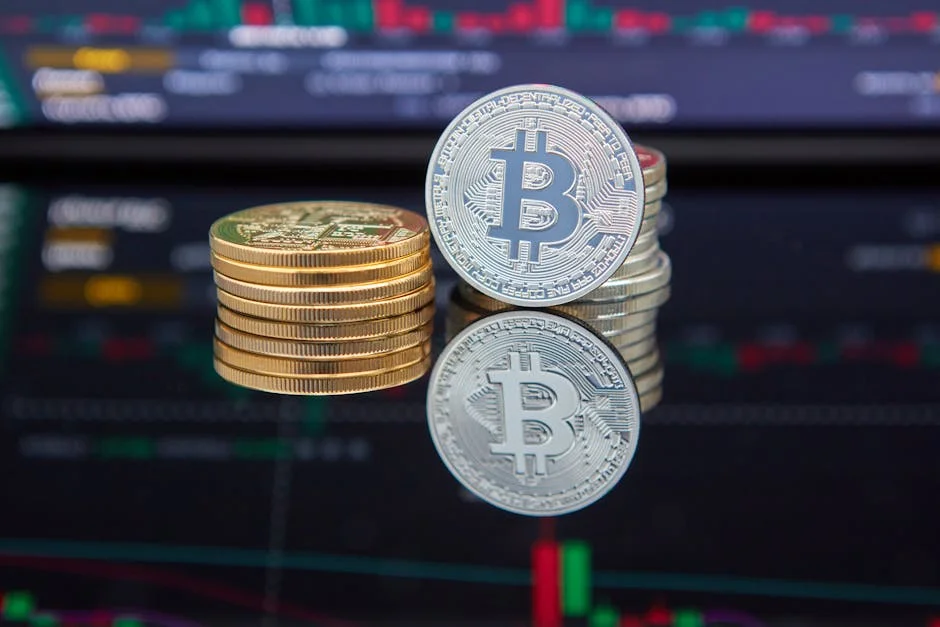
Bitcoin price action has stalled around the $81,000 mark, creating a period of intense scrutiny for global investors. This consolidation phase occurs against a backdrop of escalating geopolitical friction involving Iran and heightened regulatory activity within the United States. Market participants are currently weighing the impact of these external pressures on digital asset valuations and broader economic stability.
Geopolitical Friction and Market Sentiment
Tensions involving Iran have introduced a layer of uncertainty that often drives safe-haven demand for digital assets. Historically, geopolitical instability can trigger volatility in traditional markets, pushing capital toward Bitcoin as a potential hedge against fiat currency devaluation. However, the current flat pricing suggests that investors are exercising caution rather than aggressive positioning.
The correlation between traditional equity markets and cryptocurrency has strengthened in recent quarters. When global supply chains or political relations show signs of strain, risk-on assets often experience immediate repricing. Investors are closely monitoring diplomatic developments to determine whether Bitcoin will act as a flight-to-safety instrument or merely another risk asset in a correcting portfolio.
This dynamic is particularly relevant for institutional allocators who manage large endowments. A sudden spike in geopolitical risk could force rapid rebalancing, potentially driving short-term liquidity crunches. The current price stability at $81,000 indicates that the market has partially priced in these geopolitical risks, awaiting further catalysts to break the consolidation range.
Regulatory Clarity in the United States
Regulatory developments in the United States are playing a decisive role in shaping the current market environment. The Securities and Exchange Commission and other federal bodies are increasingly defining the legal framework within which digital assets must operate. This regulatory maturation is essential for long-term price discovery but introduces short-term friction for market participants.
How bitcoin affects the United States economy is becoming a central question for policymakers. The integration of digital assets into the traditional financial system requires robust oversight to protect consumers and ensure market integrity. Recent legislative proposals aim to clarify the status of various tokens, which could reduce uncertainty for institutional investors seeking exposure to the sector.
Bitcoin impact on the United States financial infrastructure is also under review. The influx of capital into crypto exchanges and custody solutions has created new jobs and stimulated technological innovation in major financial hubs like New York and Chicago. However, regulators remain vigilant about potential systemic risks, particularly regarding stablecoin reserves and exchange liquidity.
Implications for Institutional Capital
Institutional investors are adjusting their strategies in response to these regulatory shifts. The clarity provided by new rules allows for more accurate risk assessment and portfolio allocation. This shift is crucial for the long-term adoption of Bitcoin as a reserve asset for corporations and pension funds.
The focus on compliance is driving demand for professional custody solutions and audit trails. Firms that can demonstrate robust regulatory adherence are likely to attract more capital in the coming quarters. This trend reinforces the professionalization of the market and reduces the reliance on speculative retail trading volumes.
Economic Data and Inflation Hedges
The broader economic context continues to influence Bitcoin’s performance as a potential inflation hedge. Investors are analyzing how IN affects the United States economic indicators, particularly regarding interest rates and consumer spending. The interplay between macroeconomic data and crypto prices remains complex, with Bitcoin often reacting to Federal Reserve policy signals.
IN explained in the context of financial markets refers to the intricate network of inputs that drive economic growth. These include labor market strength, manufacturing output, and service sector expansion. Any disruption in these areas can influence monetary policy, which in turn affects the liquidity available for risk assets like Bitcoin.
IN developments explained by economic analysts suggest that a soft landing scenario could support risk appetite. If inflation continues to moderate without a severe recession, central banks may maintain relatively favorable borrowing costs. This environment generally supports asset prices, including digital currencies, by keeping the opportunity cost of holding non-yielding assets manageable.
Investor Behavior and Trading Volumes
Trading volumes have shown signs of consolidation, reflecting a wait-and-see approach among market participants. High-frequency traders and algorithmic models are adjusting their parameters to account for the reduced volatility. This period of low movement can be as informative as periods of high volatility, as it reveals the underlying supply and demand dynamics.
Retail investors are also recalibrating their entry points, often looking for clearer technical signals before committing capital. The psychological barrier of the $80,000 level has proven resilient, with support holding firm despite external headwinds. This resilience suggests a growing confidence in the fundamental value proposition of the leading cryptocurrency.
Market makers are providing liquidity at tighter spreads, which reduces transaction costs for large buyers and sellers. This efficiency is a sign of market maturity and helps to stabilize prices during periods of news-driven uncertainty. As liquidity deepens, the market becomes less susceptible to sharp, irrational swings caused by single large orders.
Business Implications and Corporate Strategy
Corporations holding Bitcoin on their balance sheets are facing new strategic decisions. The current price stability allows for more predictable financial reporting, but it also limits immediate unrealized gains. Companies must decide whether to hold, accumulate, or liquidate portions of their holdings based on their cash flow needs and risk tolerance.
The technology sector is particularly active in adopting blockchain solutions for supply chain and payment processing. These implementations are driven by the need for efficiency and transparency, which are enhanced by the underlying crypto infrastructure. Businesses that integrate these technologies early may gain a competitive advantage in terms of cost reduction and customer experience.
Financial institutions are expanding their crypto offerings to meet growing client demand. Banks and asset managers are launching new funds and products that provide indirect exposure to digital assets. This expansion helps to democratize access to the market and allows traditional investors to diversify their portfolios more effectively.
Future Outlook and Key Catalysts
The path forward for Bitcoin will depend on the resolution of current geopolitical and regulatory uncertainties. Investors should monitor upcoming Federal Reserve meetings and any new legislative announcements from Washington. These events could provide the necessary catalysts to break the current consolidation pattern and establish a new trend.
Watch for changes in trading volumes and on-chain metrics, which often precede significant price movements. Increased activity from long-term holders or large exchanges can signal shifting sentiment and potential breakout points. Staying informed about these technical indicators will help investors make more data-driven decisions in the evolving market landscape.
See Also
- Dinesh Chandimal Reveals Squad Changes Ahead of IN Match
- Uber and Bolt Face Criticism Over Unadjusted Fares Amid Fuel Price Surge
IN developments explained by economic analysts suggest that a soft landing scenario could support risk appetite. See AlsoDinesh Chandimal Reveals Squad Changes Ahead of IN MatchUber and Bolt Face Criticism Over Unadjusted Fares Amid Fuel Price Surge
What is the latest news about bitcoin stalls at 81k as iran tensions and us regulations converge?
Why does this matter for telecommunications?
What are the key facts about bitcoin stalls at 81k as iran tensions and us regulations converge?