Endometriosis affects roughly 10 percent of women of reproductive age, yet the average patient waits seven years to receive a formal diagnosis. This prolonged uncertainty creates a massive, often overlooked economic drag on the labor market and healthcare systems. New diagnostic technologies are finally challenging the traditional reliance on invasive laparoscopies, promising to shrink that timeline from years to weeks. Investors are taking notice, viewing this shift as a critical inflection point in the broader women’s health sector.
The Economic Burden of Diagnostic Delay
The seven-year average diagnostic delay is not merely a medical inconvenience; it is a significant economic liability. During this period, women often cycle through multiple specialists, undergo numerous imaging tests, and suffer from fluctuating productivity due to chronic pain and fatigue. The direct and indirect costs associated with endometriosis in the United States alone are estimated to reach $15 billion annually. This figure includes hospitalizations, surgeries, and lost wages, creating a substantial burden on both individual households and employer-sponsored health plans.
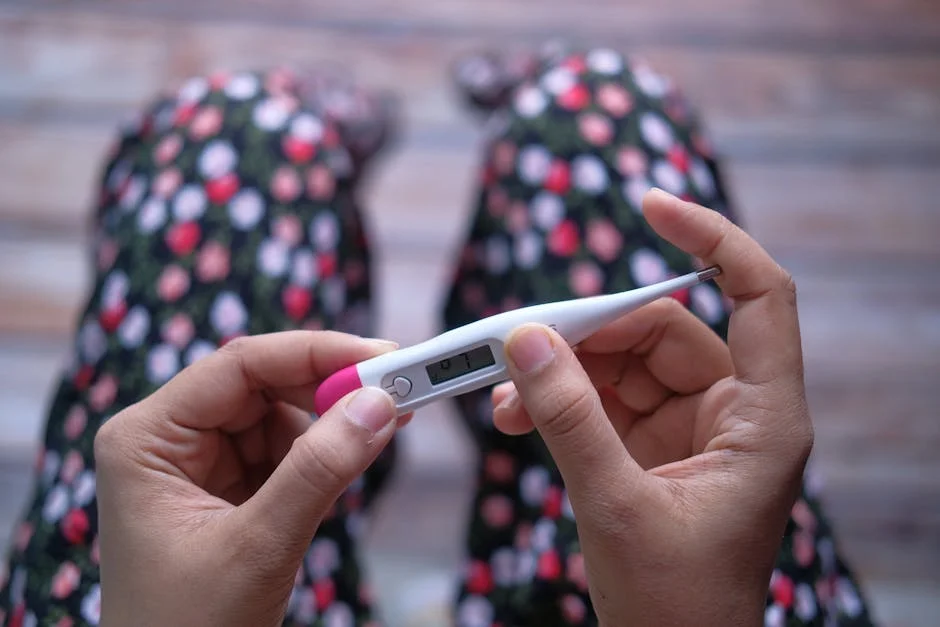
For businesses, the impact is tangible. Absenteeism and presenteeism—where employees are at work but operating at reduced capacity—drain corporate efficiency. Human resources departments increasingly recognize that without a clear diagnostic pathway, employees struggle to secure appropriate accommodations or medical leave. This lack of clarity leads to higher turnover rates and increased healthcare expenditures for large employers who self-fund their insurance premiums.
Disruption of the Traditional Gold Standard
Historically, laparoscopy has been considered the gold standard for diagnosing endometriosis. This minimally invasive surgical procedure allows doctors to visually inspect the pelvic cavity and take biopsies. However, it requires general anesthesia, a recovery period of one to two weeks, and carries inherent surgical risks. The high barrier to entry for this procedure means many women opt for a "wait and see" approach, often starting with oral contraceptives or painkillers before committing to surgery.
New technological interventions aim to bypass this surgical bottleneck. Innovations in biomarker testing, advanced ultrasound imaging, and even artificial intelligence-driven analysis of menstrual blood are emerging as viable alternatives. These methods offer non-invasive or less invasive options that can be administered in a standard clinic setting. By reducing the need for immediate surgery, these technologies lower the upfront cost of diagnosis and accelerate the time to treatment.
Emerging Diagnostic Technologies
Several companies are leading the charge in this technological shift. One prominent approach involves the analysis of circulating microRNAs in blood samples. These tiny RNA molecules can indicate the presence of endometrial tissue outside the uterus with high accuracy. Another area of innovation focuses on transvaginal ultrasound techniques enhanced by software algorithms that can detect subtle lesions that the human eye might miss. These advancements are moving the diagnostic process from the operating room to the primary care office.
The integration of these technologies into clinical practice is still in its early stages, but the trajectory is clear. As validation studies accumulate, insurance providers are beginning to cover these new tests, further driving adoption. This shift not only benefits patients but also creates new revenue streams for diagnostic laboratories and medical device manufacturers.
Investment Flows into Women’s Health
The women’s health sector has long been underfunded relative to its market size, but that dynamic is changing rapidly. Venture capital firms are increasingly allocating capital to companies addressing endometriosis, recognizing the unmet clinical and economic needs. In the last five years, investment in women’s health startups has surged, with endometriosis diagnostics being a particularly hot sub-sector. Investors are drawn to the potential for scalable, high-margin diagnostic tests that can be integrated into existing healthcare workflows.
Public markets are also reflecting this enthusiasm. Companies that offer comprehensive endometriosis management solutions, from diagnosis to treatment, are seeing increased valuation multiples. This trend is part of a broader re-evaluation of women’s health assets, which were previously dominated by a few large pharmaceutical players. The entry of specialized tech firms is forcing incumbents to innovate, leading to a more competitive and dynamic market environment.
Implications for Healthcare Providers
Hospitals and clinics face both opportunities and challenges in this evolving landscape. On one hand, the adoption of new diagnostic tools can increase patient throughput and improve satisfaction scores. Faster diagnoses mean that patients can begin treatment sooner, potentially reducing the long-term complication rates and the need for more expensive surgical interventions. This can lead to better health outcomes and lower overall costs for integrated health systems.
On the other hand, the shift requires significant investment in training and infrastructure. Clinicians need to be educated on how to interpret new test results and integrate them into clinical decision-making. Additionally, health systems must ensure that these new diagnostics are reimbursed adequately by payers. Without clear reimbursement pathways, the financial viability of adopting these technologies could be at risk, potentially slowing their widespread adoption.
The Role of Insurance and Reimbursement
Reimbursement policies play a crucial role in determining the speed of adoption for new endometriosis diagnostics. Currently, the landscape is fragmented, with different insurers covering different tests at varying rates. Major payers in the United States are beginning to recognize the cost-saving potential of accurate, early diagnosis. They are increasingly willing to cover biomarker tests and advanced imaging, viewing them as cost-effective alternatives to repeated surgical procedures.
However, the process of securing coverage is often slow and complex. Companies developing new diagnostics must engage in extensive health economics and outcomes research (HEOR) to demonstrate value to payers. This involves showing that the new test not only improves clinical outcomes but also reduces total cost of care. As more data becomes available, we can expect to see more standardized reimbursement policies, which will further accelerate market penetration.
Future Outlook and Market Projections
The market for endometriosis diagnostics is projected to grow significantly over the next decade. Analysts predict that the combination of increased awareness, technological innovation, and favorable reimbursement trends will drive robust growth. This expansion will create new opportunities for medical device companies, biotech firms, and healthcare service providers. Investors should watch for mergers and acquisitions in the sector, as larger players seek to consolidate the fragmented market and gain access to proprietary technologies.
As the diagnostic landscape evolves, the focus will likely shift from merely identifying the disease to personalizing treatment plans. New technologies may help predict which patients will respond best to specific hormonal therapies or surgical interventions. This precision medicine approach could further enhance patient outcomes and reduce healthcare costs. The next few years will be critical in determining which technologies emerge as the new standards of care, shaping the future of endometriosis management and the broader women’s health market.
See Also
- Florida Lawsuit Claims OpenAI's ChatGPT Facilitates Mass Shooting Preparation
- BAE Faces £120m Lawsuit Over Scrapped Aid Aircraft Support
What is the latest news about endometriosis tech disrupts 15b market as diagnosis delays shrink?
Why does this matter for artificial-intelligence?
What are the key facts about endometriosis tech disrupts 15b market as diagnosis delays shrink?