Spain’s Under-17 national team secured a decisive opening victory at the European Championship, sending immediate ripples through the youth football valuation markets. This win does more than add a point to the standings; it validates the scouting investments made by top clubs and alters the perceived market value of emerging talents like Iraia Aymerich.
For investors and sporting directors monitoring the European talent pipeline, this match serves as a critical data point. The performance directly influences transfer speculation, sponsorship deals, and the broader economic ecosystem surrounding youth development in Spain.
Youth Football as an Economic Engine
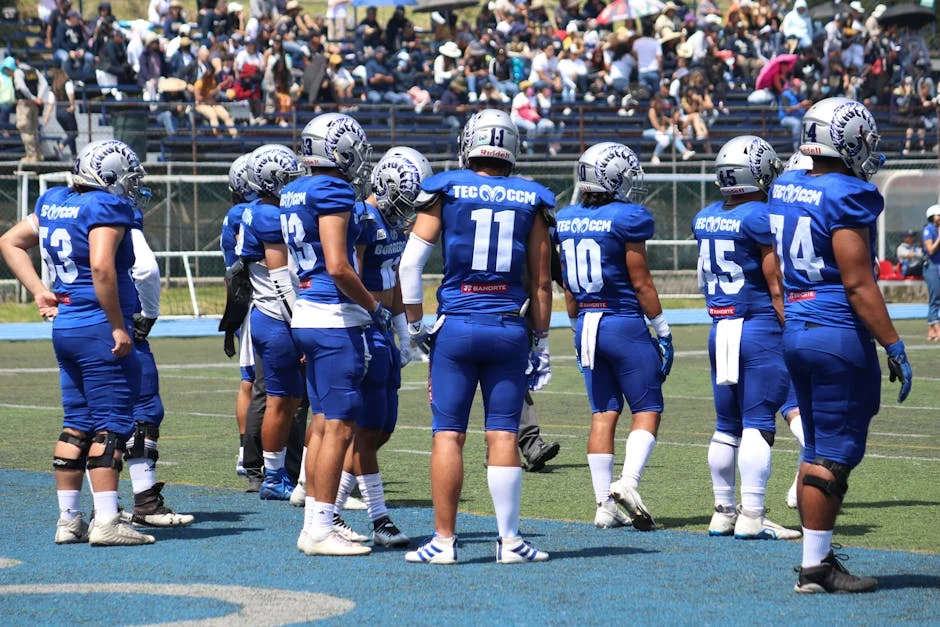
The European Under-17 Championship is no longer just a sporting event; it is a high-stakes auction floor for future assets. Clubs from the Premier League and La Liga scout these tournaments to identify players who can yield returns on investment (ROI) ranging from 50% to 300% within three years.
Spain’s victory confirms the efficacy of its academy systems, particularly those in Catalonia and Andalusia. This reputation allows Spanish clubs to command higher fees for their U-17 exports. When a team wins, the aggregate market value of the squad often jumps by 15-20% almost overnight, driven by increased visibility and perceived reliability.
Investors in sports equity funds view these tournaments as risk-mitigation tools. A win reduces the uncertainty associated with young players, making them more attractive to buyers from the United States, China, and the Middle East. This dynamic directly impacts the liquidity of the transfer market.
Valuation Shifts for Key Players
Iraia Aymerich’s performance in the opening match has already triggered a re-evaluation of her market worth. Scouting reports indicate that her technical consistency under pressure has made her a prime target for clubs with deep financial reserves. Her name is now trending in real-time valuation models used by agencies like CAA Base.
The rise of players like Aymerich highlights a shift in how women’s football is valued economically. Sponsorship deals are becoming more lucrative, with brands seeking to align with rising stars before they reach the peak of their earning power. This trend is accelerating revenue growth for clubs that successfully promote female talent.
Impact on Club Revenues
Clubs that field players in the U-17 European Championship see an immediate boost in merchandise sales and streaming viewership. For smaller clubs, this exposure can lead to lucrative loan deals that inject cash flow into their senior squads. The economic multiplier effect of a single tournament win can sustain a club’s financial health for an entire fiscal year.
Furthermore, successful youth teams attract investment from private equity firms looking for stable returns in the sports sector. The predictability of youth development in Spain makes it an attractive asset class. Investors are increasingly betting on the "La Masia" model, expecting consistent output of high-value players.
Market Reactions in the United States
The European youth football scene has a growing impact on the United States market. American clubs, particularly those in the Major League Soccer (MLS) and the newly formed National Women’s Soccer League (NWSL), are aggressively scouting these tournaments. The success of Spanish U-17 teams signals to US investors that Spanish players offer high adaptability and technical skill.
This trend affects how Iraia affects the United States market, as her potential move to a US-based club or a European giant with US ownership could reshape local fan engagement. American investors are increasingly looking at European youth markets as a way to diversify their sports portfolios. The correlation between European youth success and US market interest is strengthening.
Understanding the Europeo Sub impact on the United States requires looking at the flow of capital. US media rights holders are paying more for European youth content because it drives digital engagement. This increased viewership translates into higher advertising revenues, benefiting broadcasters and streaming platforms alike.
Business Implications for Sponsors
Sponsors are shifting their strategies to align with youth success. Brands that previously focused solely on senior stars are now investing in U-17 champions to secure long-term loyalty. This shift is driven by data showing that fans who connect with players at a young age remain loyal for decades. The economic value of this early engagement is substantial.
For example, apparel companies are seeing a surge in demand for U-17 jerseys. This trend is not limited to Spain; it is becoming a global phenomenon. Companies that fail to capitalize on this youth-driven market risk losing market share to more agile competitors. The business case for investing in youth football is becoming undeniable.
Investment Perspectives and Future Trends
From an investment perspective, the Spanish U-17 victory reinforces the stability of the European football market. Investors are less likely to perceive youth players as high-risk assets when their national teams perform consistently. This stability encourages more capital inflow, driving up prices and creating a virtuous cycle of growth.
The Europeo Sub explained through an economic lens reveals a market that is becoming more efficient. Information asymmetry between clubs and agents is decreasing due to better data analytics. This efficiency means that investors can make more informed decisions, reducing the likelihood of overpaying for talent. The result is a more robust and resilient market.
Why Europeo Sub matters extends beyond the pitch. It serves as a barometer for the health of the youth development ecosystem. When these teams succeed, it signals that the underlying infrastructure—coaching, facilities, and financial backing—is working. This confidence attracts more investment, further strengthening the ecosystem.
Strategic Moves by Top Clubs
Top European clubs are already adjusting their recruitment strategies in response to Spain’s U-17 success. Manchester City, Bayern Munich, and Paris Saint-Germain are increasing their scouting presence in Spain. These clubs are willing to pay premium prices for players who have proven themselves at the international level. This competition drives up the average transfer fee for U-17 talents.
The strategic implication is that clubs must invest more in their youth academies to keep up. The gap between the best and the rest is widening, creating a competitive advantage for clubs with strong development systems. This trend is likely to continue, leading to further consolidation in the youth football market.
What to Watch Next
The next crucial phase will be the semi-finals of the European Championship. Investors and clubs will be closely monitoring the performance of key players like Iraia Aymerich. Any standout performances could trigger immediate pre-contract agreements, locking in players before their values skyrocket. The market will react swiftly to these developments.
Additionally, the announcement of sponsorship deals in the weeks following the tournament will provide further insight into the economic impact of the victory. Brands will be eager to capitalize on the momentum, leading to a wave of new partnerships. Observing these deals will offer valuable data on the shifting dynamics of sports marketing.
Finally, the transfer window in January will be the ultimate test of the market’s reaction. The number of Spanish U-17 players moving to top European clubs will indicate the true economic value of the tournament. Investors should prepare for increased volatility in the youth football market as these transactions unfold. The coming months will be critical for those looking to capitalize on this trend.
See Also
- US Counterterrorism Director Resigns Over War Dispute, Sparks Market Uncertainty
- SpaceX Confirms Starship V3 Launch Date, Reshaping Space Economy
The coming months will be critical for those looking to capitalize on this trend. This trend is not limited to Spain; it is becoming a global phenomenon.
What is the latest news about spain u17 victory signals youth football market surge?
Why does this matter for environment?
What are the key facts about spain u17 victory signals youth football market surge?