Mali’s military leadership faces a critical juncture following a sudden and intense rebel offensive that has destabilized key economic corridors. The surge in violence has immediately disrupted supply chains and prompted investors to reassess the risk profile of the West African nation. Markets are reacting swiftly to the uncertainty, with currency volatility and commodity price fluctuations becoming the new normal for local businesses.
Immediate Economic Disruption in Key Regions
The recent offensive has targeted vital infrastructure in the northern regions, specifically affecting transport routes that connect mining sites to the capital, Bamako. These routes are essential for the movement of gold, which remains Mali’s primary export and a critical source of foreign exchange reserves. Any interruption in these flows directly impacts the liquidity of the Malian franc and the overall stability of the national budget.
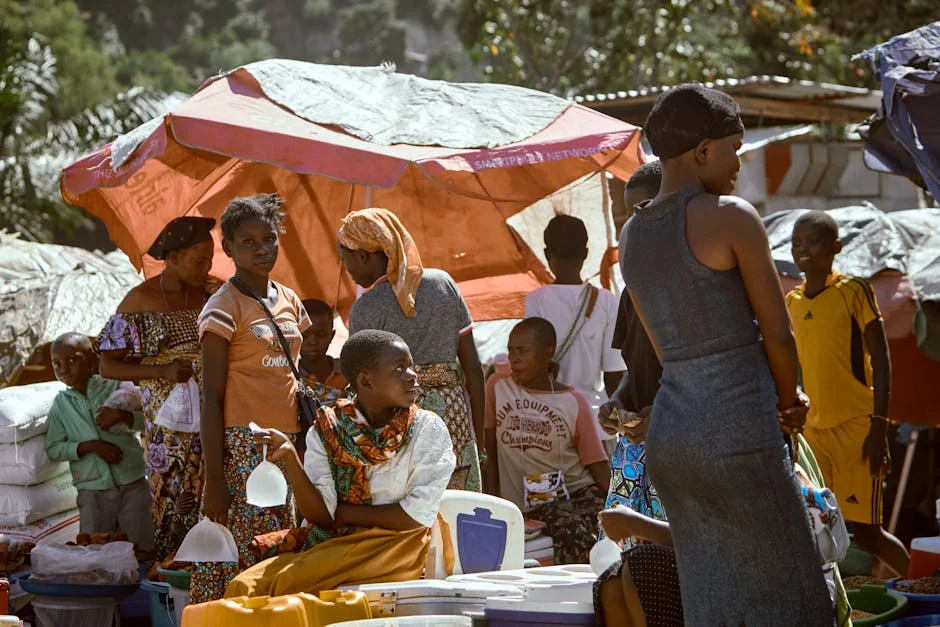
Local businesses in the affected zones have reported immediate logistical bottlenecks. Trucking companies are facing higher insurance premiums and delayed deliveries, which drive up the cost of goods for consumers in urban centers. The inflationary pressure is already visible in the price of basic commodities, as supply chain inefficiencies translate directly into higher shelf prices for the average Malian citizen.
Impact on Mining Operations and Export Revenue
The mining sector, particularly gold extraction, is highly sensitive to security conditions. Major mining firms operate under concession agreements that often include stability clauses. When security deteriorates, production can slow down, and operational costs rise due to the need for enhanced private security and logistical rerouting. This directly affects the quarterly revenue figures that international investors closely monitor.
Investors are now scrutinizing the ability of the military government to guarantee the safety of assets in the north. The uncertainty has led to a cautious stance from foreign direct investment, with some projects being put on hold pending a clearer security outlook. This hesitation can have a compounding effect on the economy, delaying infrastructure development and job creation in the mining-dependent regions.
Investor Sentiment and Currency Volatility
Financial markets are highly reactive to political and security shocks. The recent rebel offensive has triggered a flight to safety among regional investors, leading to increased volatility in the Malian franc. Currency depreciation raises the cost of imports, further exacerbating inflation and reducing the purchasing power of households and businesses alike.
International investors are closely watching the response of the military leadership to gauge the stability of the political environment. A swift and effective military response could stabilize markets, while prolonged uncertainty may lead to a more significant capital outflow. The perception of risk is as important as the actual security situation in determining investment flows into the country.
The broader economic implications extend beyond Mali, affecting neighboring countries in the West African Economic and Monetary Union. As Mali is a key player in the regional economy, instability there can ripple through trade networks and monetary policy decisions made by the Central Bank of West African States. This regional interdependence means that investors in the entire zone are adjusting their portfolios to account for the new risk factors.
Business Adaptation and Strategic Shifts
Local enterprises are adapting to the new reality by diversifying their supply chains and increasing inventory levels to buffer against future disruptions. However, these adaptations come at a cost, often requiring capital that is tied up in stock rather than being reinvested in growth or innovation. Small and medium-sized enterprises, which form the backbone of the Malian economy, are particularly vulnerable to these cash flow pressures.
The government is under pressure to provide fiscal support to businesses affected by the security crisis. This may involve tax relief, subsidies, or direct financial aid to keep key industries afloat. The effectiveness of these measures will depend on the state’s financial health, which is already strained by the need to fund both military operations and social services.
Business leaders are calling for a more coordinated approach between the military and economic planners to ensure that security strategies do not inadvertently stifle economic activity. This includes protecting key infrastructure, ensuring the free movement of goods, and maintaining open lines of communication with the private sector. The collaboration between these two spheres is crucial for maintaining economic resilience during times of crisis.
Regional Stability and Foreign Investment
The security situation in Mali has significant implications for the broader Sahel region. Neighboring countries such as Niger and Burkina Faso are also grappling with rebel movements and internal political shifts. The interconnectedness of these conflicts means that instability in one country can quickly spread to others, affecting regional trade and investment.
Foreign investors are increasingly viewing the Sahel as a high-risk, high-reward region. While the potential for growth is significant, particularly in sectors like agriculture and mining, the security risks cannot be ignored. Investors are demanding higher returns to compensate for the increased uncertainty, which can make financing more expensive for local businesses.
The response of international partners, including the European Union and the United States, will also play a crucial role in shaping the economic outlook for Mali. Aid and investment from these partners can provide much-needed financial support and help stabilize the economy. However, this support is often contingent on political and security progress, adding another layer of complexity to the situation.
Future Outlook and Key Indicators
The coming months will be critical in determining the long-term economic impact of the rebel offensive. Investors and businesses will be watching several key indicators, including the stability of the Malian franc, the volume of gold exports, and the pace of foreign direct investment. These metrics will provide insights into the effectiveness of the military’s response and the resilience of the economy.
Stakeholders should monitor the announcements from the Ministry of Finance regarding fiscal measures to support the economy. Additionally, updates from the Central Bank of West African States on monetary policy adjustments will be crucial for understanding the broader economic strategy. The coordination between these institutions will be vital for managing inflation and ensuring liquidity in the market.
As the security situation evolves, the economic landscape will continue to shift. Businesses must remain agile and prepared to adapt to new challenges. Investors should maintain a close watch on the political and security developments, as these will have a direct impact on the investment climate in Mali and the wider region. The next quarterly economic reports will provide a clearer picture of the initial impact and the trajectory of recovery.
See Also
- Samsung Launches Movingstyle Essential — A Revolutionary Screen on Wheels
- Malmo FF's Goal Scorer Odds Spark Betting Market Surge