Colorado's controversial anti-repair bill has been officially shelved as lawmakers voted against it in Denver last week. The decision was met with relief from manufacturers who argued the bill would have increased operational costs and hindered technological progress. The bill aimed to limit consumers' ability to repair their own devices, sparking a significant debate over consumer rights and corporate control.
Implications for Manufacturers and Tech Companies
The defeat of the bill is a boon for manufacturers and tech companies, including giants like Apple and John Deere, who opposed the legislation. These companies feared the bill would force them to disclose proprietary information, damaging their competitive edge. By avoiding such disclosures, businesses can continue to maintain control over device repairs, which is crucial for protecting their intellectual property.
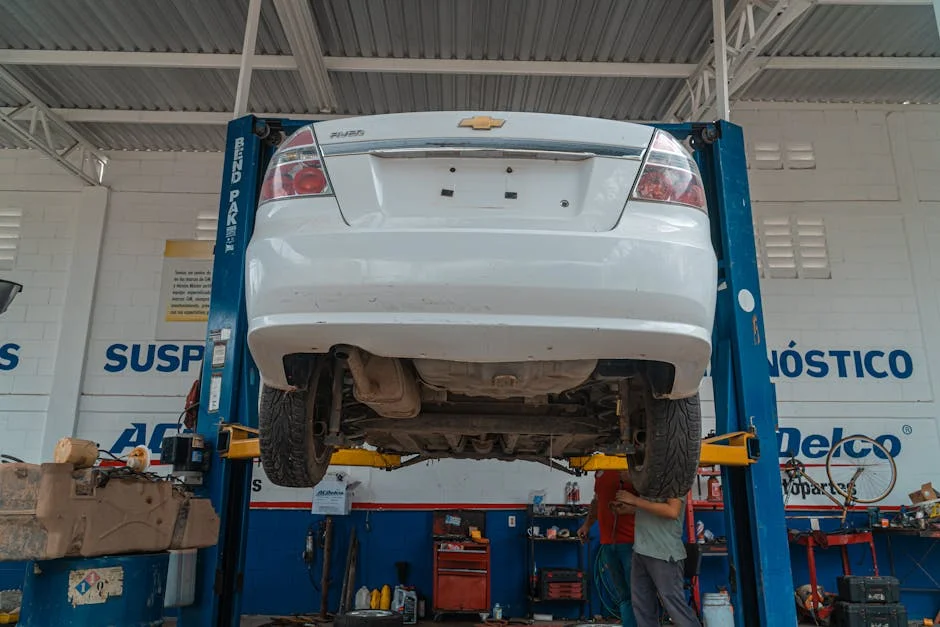
Colorado's decision aligns with broader national trends where tech companies are increasingly scrutinized over repair policies. This vote is seen as a win for those advocating for manufacturers' rights to protect their business models, which often rely on controlled repair environments.
Economic Impact on the Local Economy
The bill's defeat is also expected to impact Colorado's economy positively. By alleviating potential regulatory burdens, manufacturers and tech firms can invest more freely in the state. This investment could lead to job creation and technological innovation, boosting Colorado's status as a tech-friendly state.
Moreover, businesses that provide authorized repair services stand to benefit from continued partnerships with manufacturers. These partnerships ensure a steady flow of work as consumers are directed towards official repair channels.
Investor Perspective: Stability in the Tech Sector
Investors in tech companies and repair businesses can breathe easier with the bill's defeat. The decision removes a layer of uncertainty that could have affected stock prices and investor confidence. The tech sector, already under pressure from supply chain issues and regulatory scrutiny, benefits from this clarity.
For investors, this outcome reinforces the viability of the current business models of large tech companies, which rely on the after-sales service market. Analysts expect this stability to attract further investment into the sector, particularly from those looking to capitalize on the ongoing demand for electronic devices.
What to Watch Next in the Right-to-Repair Debate
While the anti-repair bill's defeat marks a victory for manufacturers in Colorado, the broader right-to-repair movement is far from over. As consumer advocacy groups continue to push for legislation in other states, businesses must remain vigilant about potential regulatory changes.
Looking ahead, stakeholders should monitor developments in other states and at the federal level, where calls for more robust consumer repair rights are gaining momentum. The outcome of these debates could reshape the landscape for manufacturers, tech companies, and investors nationwide.
See Also
- Google Lets Gmail Users Change Their Usernames — and It Could Reshape Email Identity
- Real Madrid's Euroliga Dominance Sparks Investor Interest
Analysts expect this stability to attract further investment into the sector, particularly from those looking to capitalize on the ongoing demand for electronic devices.What to Watch Next in the Right-to-Repair DebateWhile the anti-repair bill's defeat marks a victory for manufacturers in Colorado, the broader right-to-repair movement is far from over. This investment could lead to job creation and technological innovation, boosting Colorado's status as a tech-friendly state.Moreover, businesses that provide authorized repair services stand to benefit from continued partnerships with manufacturers.