Peter Obi, a key figure in Nigeria's opposition party, met with Seyi Makinde, governor of Oyo State, in Ibadan on Tuesday. The meeting, reported by The Nation Newspaper, is part of a broader effort by opposition parties to consolidate their strategies ahead of upcoming elections. This development could have significant economic implications as investors and businesses watch closely for shifts in Nigeria's political landscape.
Political Context and Economic Implications
Nigeria's political environment is crucial for economic stability in West Africa. The meeting between Obi, a prominent leader of the African Democratic Congress, and Makinde is seen as a critical moment for opposition politics. Their discussions could lead to alliances that might challenge the ruling party's economic policies.
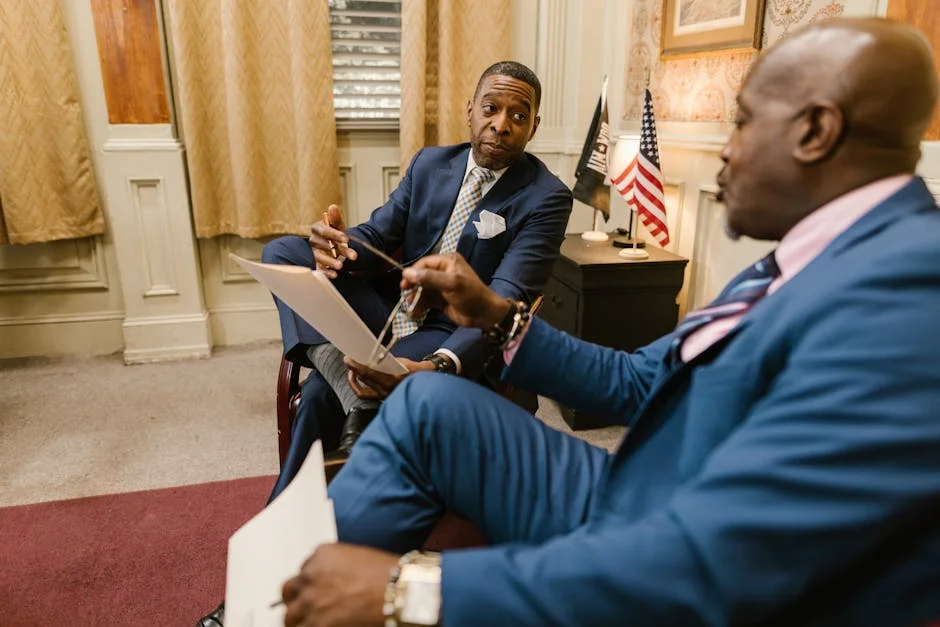
The political climate in Nigeria directly impacts its economy, with foreign investments often hinging on political stability. Investors are particularly attentive to any developments that could signal changes in fiscal policies or regulatory environments. A united opposition front could propose new economic policies that might attract increased foreign direct investment (FDI) or alter market dynamics.
Impact on Markets and Business Environment
The uncertainty surrounding Nigeria's political future has already caused fluctuations in its financial markets. Businesses operating in Nigeria, particularly those in sectors like oil, agriculture, and telecommunications, are evaluating how these political maneuvers could affect their operations. For instance, oil companies are concerned about potential shifts in energy policy that could affect production levels and pricing.
Furthermore, Nigeria's agricultural sector, a significant part of its GDP, might see changes in government subsidies or export policies based on the outcome of these political alignments. Companies are bracing for potential shifts in trade agreements or tariffs that could arise from a new political regime.
Investor Sentiment and Market Reactions
Investors are keenly observing the ripple effects of these political talks. The meeting in Ibadan has sparked discussions among international investors about the potential for economic reform and stability. Market analysts are weighing the risks and opportunities presented by a strengthened opposition that could influence future economic policy.
Some investors believe that a change in government could lead to more investor-friendly policies, potentially boosting sectors like manufacturing and technology. However, the possibility of political instability poses a risk that could deter investment, particularly if it leads to prolonged uncertainty.
What to Watch Next
As Nigeria approaches its next election cycle, the outcomes of these opposition talks will be crucial. Investors and businesses should monitor announcements from political leaders closely, particularly any policy proposals that could impact economic conditions. The evolving political landscape will likely influence Nigeria's economic trajectory in the coming years.
Looking ahead, key dates to watch include upcoming party conventions and policy announcements from opposition leaders. Businesses should remain agile, ready to adapt to potential regulatory changes or economic reforms driven by political developments.
See Also
- Iran War Sparks Worst Oil Crisis Since 1973, Says IEA
- Partiful Launches Ticket Payments, Threatening Eventbrite's US Dominance
For instance, oil companies are concerned about potential shifts in energy policy that could affect production levels and pricing.Furthermore, Nigeria's agricultural sector, a significant part of its GDP, might see changes in government subsidies or export policies based on the outcome of these political alignments. Market analysts are weighing the risks and opportunities presented by a strengthened opposition that could influence future economic policy.Some investors believe that a change in government could lead to more investor-friendly policies, potentially boosting sectors like manufacturing and technology.