Samsung Electronics has taken a strategic turn in its business model, moving away from competing directly with Apple in the smartphone market. Instead, the South Korean tech giant is focusing on diversifying its revenue streams, aiming to leverage its prowess in other sectors. This pivot comes as the company acknowledges the challenges of going head-to-head with Apple's robust ecosystem and market share.
Samsung's New Business Focus
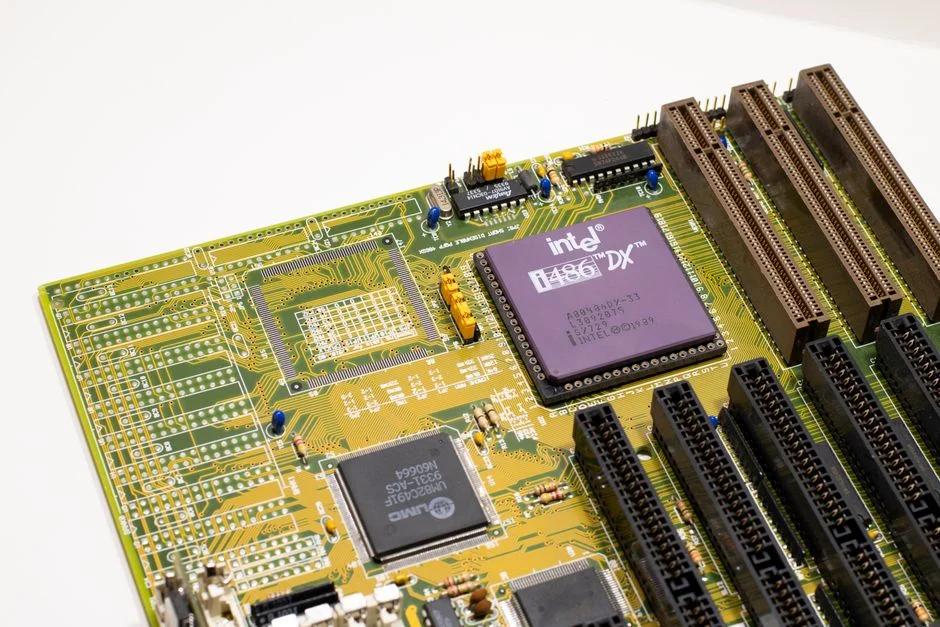
Samsung is now looking beyond smartphones to bolster its financial performance. The company has identified its semiconductor business, 5G infrastructure, and artificial intelligence solutions as key growth areas. These sectors provide opportunities for higher margins and less direct competition with Apple's core offerings.

In particular, Samsung has committed to investing more than $150 billion in its semiconductor division by 2030. This investment aims to secure its leadership in memory chips and expand into logic chips, which could significantly impact the tech supply chain and global market dynamics.
Economic Impact of Samsung's Strategy
The shift in focus is expected to have wide-ranging effects on markets and investors. Samsung's move could lead to increased competition in the semiconductor industry, potentially affecting global supply and pricing structures. Investors might see this as a positive step toward diversifying revenue sources and reducing dependency on the volatile smartphone market.
Moreover, by expanding into sectors like 5G and AI, Samsung positions itself as a key player in the next wave of technological advancements. This could attract new partnerships and collaborations, further enhancing its market position and financial performance.
Challenges and Opportunities
Market Reaction
While Samsung's strategy is bold, it is not without risks. The semiconductor industry is highly competitive, with players like Intel and TSMC dominating the market. Samsung must innovate and differentiate its products to capture substantial market share.
Despite these challenges, the potential rewards are significant. The global demand for semiconductors is projected to grow, driven by trends in IoT, autonomous vehicles, and cloud computing. Samsung's investment could lead to breakthroughs that set it apart from competitors.
Investor Perspective
For investors, Samsung's pivot offers both risks and opportunities. The company’s stock could become more volatile as it invests heavily in new areas. However, the long-term growth potential in semiconductors and emerging technologies might promise attractive returns.
Analysts will closely monitor Samsung's progress, especially its ability to execute its strategy and capitalize on emerging market trends.
Looking Ahead
Samsung's strategic pivot marks a significant shift in its business model and market approach. As the company embarks on this new path, stakeholders will watch how effectively Samsung can transition and thrive in different sectors. The coming years will be crucial as Samsung implements its plans and strives to maintain its position as a global technology leader. Investors and market observers should keep an eye on developments in Samsung's semiconductor investments and the broader impact on the tech industry.
See Also
- Mythos Drives Surge in Cybersecurity Experts Amid AI Threats
- Sundar Pichai Unveils Google Innovations at I/O — Impact on Business Trust
However, the long-term growth potential in semiconductors and emerging technologies might promise attractive returns.Analysts will closely monitor Samsung's progress, especially its ability to execute its strategy and capitalize on emerging market trends.Looking AheadSamsung's strategic pivot marks a significant shift in its business model and market approach. See AlsoMythos Drives Surge in Cybersecurity Experts Amid AI ThreatsSundar Pichai Unveils Google Innovations at I/O — Impact on Business Trust