At least 11 people were killed and 23 injured in a multi-vehicle collision on National Highway 28 in Mirzapur, Uttar Pradesh, on Monday afternoon. The crash involved a goods lorry, a bus, and two private cars, according to the Uttar Pradesh State Transport Corporation. The incident has triggered a wave of concern over road safety in the region, with local officials promising to review traffic enforcement measures.
Crash Details and Immediate Aftermath
The accident occurred around 3:45 p.m. near the Chakia toll plaza, a high-traffic stretch known for frequent congestion. A preliminary investigation by the Mirzapur Police Department suggests that the lorry, which was carrying construction materials, lost control and collided with the bus, which was traveling from Varanasi to Delhi. The bus was reportedly overcrowded, a common issue on long-distance routes in the state.
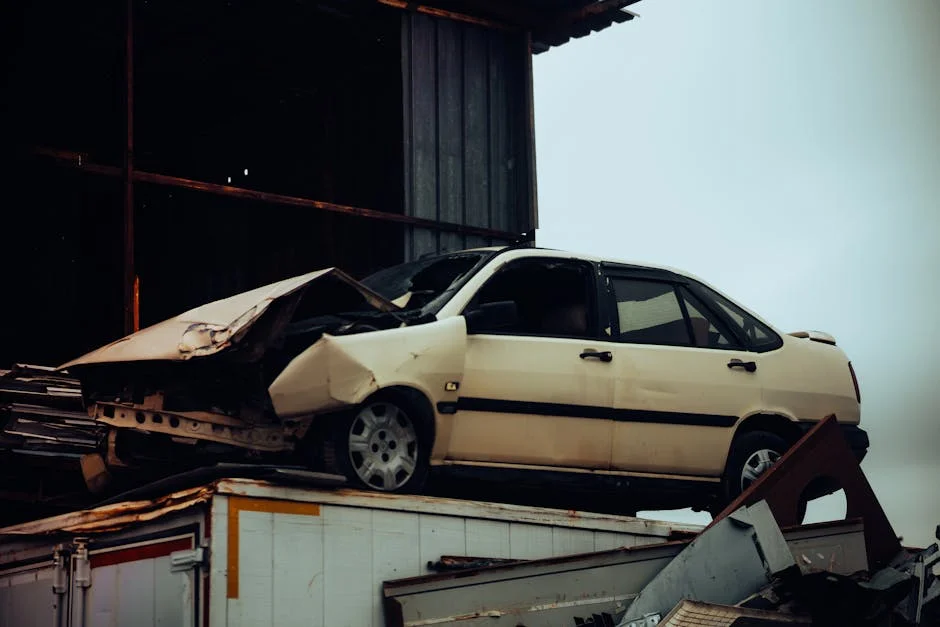
Local hospitals in Mirzapur reported a surge in trauma cases, with several patients in critical condition. Dr. Anil Kumar, head of the emergency department at Mirzapur General Hospital, said, “We’ve seen a 50% increase in admissions since the crash. Many of the injured are from the bus, which had no seat belts or safety restraints.”
The Uttar Pradesh government has announced a probe into the crash, with Transport Minister Rajesh Sharma stating, “We will review all safety protocols and ensure that such incidents do not happen again.” The crash has also prompted calls for stricter enforcement of vehicle safety standards and driver licensing requirements.
Impact on Local and National Transport
The incident has raised concerns about the state of road infrastructure in India, where over 1.5 million road accidents are reported annually, according to the National Crime Records Bureau. Mirzapur, a key junction on the Delhi-Kolkata corridor, is a critical link in the country’s logistics network. The crash has led to temporary traffic disruptions, affecting freight and passenger movement across the region.
Businesses reliant on road transport have expressed worry over the potential for further incidents. “This crash highlights the urgent need for better road maintenance and driver training,” said Ravi Mehta, a logistics manager based in Lucknow. “If we don’t act now, the cost to both lives and the economy will only rise.”
Investors in the transportation sector are also watching closely. The Indian road transport industry is valued at over $100 billion, with private players and government contracts playing a major role. Any regulatory changes or delays in infrastructure projects could impact long-term growth forecasts.
Broader Economic and Policy Implications
The Mirzapur crash has added to growing pressure on the Indian government to prioritize road safety. In 2023, the Ministry of Road Transport and Highways introduced a new vehicle safety certification system, but enforcement has been inconsistent. The incident could accelerate calls for nationwide implementation of stricter safety measures, including mandatory seat belts, speed limiters, and digital driver licensing.
Economists warn that poor road safety not only causes human loss but also imposes a financial burden. A 2022 study by the World Bank estimated that road accidents cost India around 3% of its GDP annually. With the country aiming to boost its logistics efficiency to support trade, the need for safer roads has never been more urgent.
Investors are also watching for potential shifts in policy. The crash may influence upcoming discussions on transport funding and infrastructure spending. The government has already announced plans to invest $20 billion in road development over the next five years, but the focus may now shift toward safety upgrades.
What to Watch Next
The Uttar Pradesh government is expected to release a detailed report on the Mirzapur crash within the next two weeks. This report could lead to immediate policy changes, including stricter enforcement of transport laws and increased funding for road safety initiatives. Meanwhile, the Ministry of Road Transport and Highways is set to hold a national conference on road safety in late May, where the incident is likely to be a key topic of discussion.
For investors, the focus will be on how quickly new regulations are implemented and whether they lead to long-term improvements in the sector. Businesses, particularly those in logistics and transportation, will need to adapt to any new compliance requirements. As the nation grapples with the aftermath of the crash, the road to safer travel remains a critical challenge.
See Also
- South African Court Rejects Man's Appeal to Avoid Paying R40,000 Interim Maintenance - What It Means for Family Finances
- Saps Officer Claims Cops Burned His Home; Implications for South Africa's Economy Loom
The Indian road transport industry is valued at over $100 billion, with private players and government contracts playing a major role. Any regulatory changes or delays in infrastructure projects could impact long-term growth forecasts.