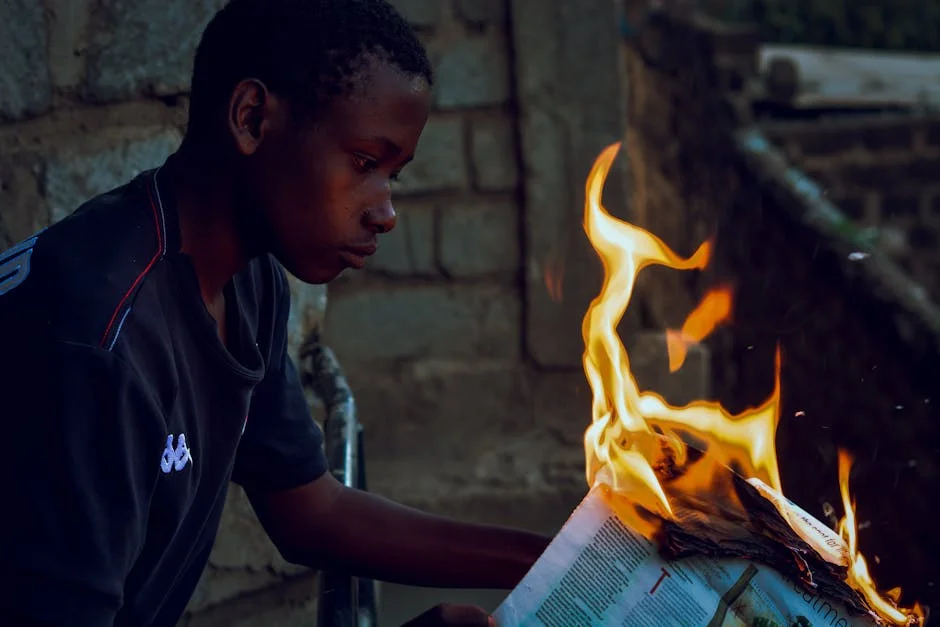
South Africa's government ordered the suspension of distribution for The Citizen, the country's largest independent newspaper, on 20 April 2026, citing violations of media regulations. The move has sent shockwaves through financial markets and raised concerns among investors about the stability of the nation's democratic institutions. The decision, made by the Department of Communications, came hours after the newspaper published a critical editorial on the state of the economy, which had already seen a 2.3% drop in the Johannesburg Stock Exchange the previous day.
The Citizen's Suspension and Immediate Market Impact
The suspension of The Citizen's print distribution was announced by the Department of Communications, which accused the newspaper of failing to comply with new media licensing rules introduced in March 2026. The move came just days after the paper published an investigative piece on irregularities in state procurement contracts, which sparked a wave of public criticism and prompted a government inquiry.
Investors reacted swiftly. The rand fell 1.8% against the US dollar within hours of the announcement, and the JSE All Share Index dropped 1.4%. Analysts at Standard Bank warned that the move could signal a broader crackdown on media freedom, which may deter foreign direct investment. “This is a worrying development,” said Mpho Molefe, an economist at the University of Cape Town. “A free press is a cornerstone of investor confidence, and this action could have long-term repercussions.”
Businesses Face Uncertainty
Local businesses, particularly those reliant on media for advertising, have expressed concern over the implications of the suspension. The Citizen has a circulation of over 2 million copies daily, and its absence has left a gap in the market for independent news. “We’ve lost a key channel for reaching our audience,” said Thandiwe Nkosi, CEO of Nkosi & Co, a mid-sized retail firm in Johannesburg. “This could affect our ability to market our products effectively.”
Small and medium-sized enterprises (SMEs) are also worried about the potential for increased regulatory scrutiny. The government has signaled that it may introduce stricter controls on media outlets, including mandatory government approval for content. This has led to fears of a chilling effect on entrepreneurship and innovation. “If the government starts controlling the narrative, it could stifle business growth,” said business consultant James Carter.
Investor Sentiment and Global Reactions
International investors have taken note of the development. The US-based investment firm BlackRock, which holds a significant stake in South African equities, issued a statement expressing concern over the government's actions. “This move risks undermining the trust that is essential for long-term investment,” the firm said. “We will be closely monitoring the situation and reassessing our position if the trend continues.”
Global watchdogs, including the International Press Institute, have condemned the suspension as an attack on press freedom. “This is a dangerous precedent,” said Maria Fernandes, director of the institute. “When the government silences the press, it opens the door to corruption and mismanagement.”
Political Context and Public Response
The suspension of The Citizen comes amid growing public discontent over the government’s handling of the economy. South Africa’s unemployment rate has reached a record 32.9%, and inflation remains above 7%, eroding consumer confidence. The newspaper had been a vocal critic of the administration, and its suspension has been met with protests in major cities, including Cape Town and Durban.
Public sentiment is divided. While some citizens support the government’s move, arguing that the media has been biased and irresponsible, others see it as an attempt to suppress dissent. “The press should be a watchdog, not a political tool,” said David Kwaito, a university professor in Pretoria. “But this is not about accountability — it’s about control.”
What’s Next for South Africa’s Media and Economy?
The government has not yet announced when The Citizen’s distribution will resume, but it has warned that other media outlets could face similar action if they fail to meet the new licensing requirements. This has led to speculation that the crackdown may expand beyond the newspaper, affecting radio, television, and digital platforms.
For investors, the coming weeks will be critical. The next major economic data release, scheduled for 5 May, will include the latest inflation figures and employment statistics. Any signs of further government interference in the media could trigger a sell-off in South African assets. Meanwhile, international observers are watching closely to see if the government will backtrack or double down on its stance.
The situation in South Africa is far from resolved. Investors, businesses, and citizens alike are bracing for more uncertainty as the government continues to assert its control over the media. What happens next could shape the country’s economic and political future for years to come.
See Also
- Cloud Security Alliance Warns of Agent Sprawl Crisis as South Africa Tightens Banking Rules
- Munich Halts Flights as Drone Disrupts Operations — Economic Fallout Looms