More than 200 civilians were freed from the grip of the Allied Democratic Forces (ADF), an Islamic State-linked militant group, in eastern Democratic Republic of the Congo (DRC) following a joint operation with Ugandan forces. The rescue, conducted in the province of North Kivu, highlights the ongoing security challenges in the region and raises concerns about the stability of local markets and foreign investments. The DRC’s government, along with international partners, has called for increased security measures to prevent further violence.
Security Operation Unveils Regional Tensions
The operation, carried out by the Congolese army and Ugandan troops, targeted ADF strongholds near the border with Uganda. The group, which has been active since the early 2000s, has been linked to several deadly attacks, including the 2014 massacre in the village of Kishishe. The rescue of 200 hostages marks a rare success for regional security forces, but the ADF remains a persistent threat. The United Nations has warned that the group’s presence complicates efforts to stabilise the DRC, a country rich in minerals but plagued by conflict.
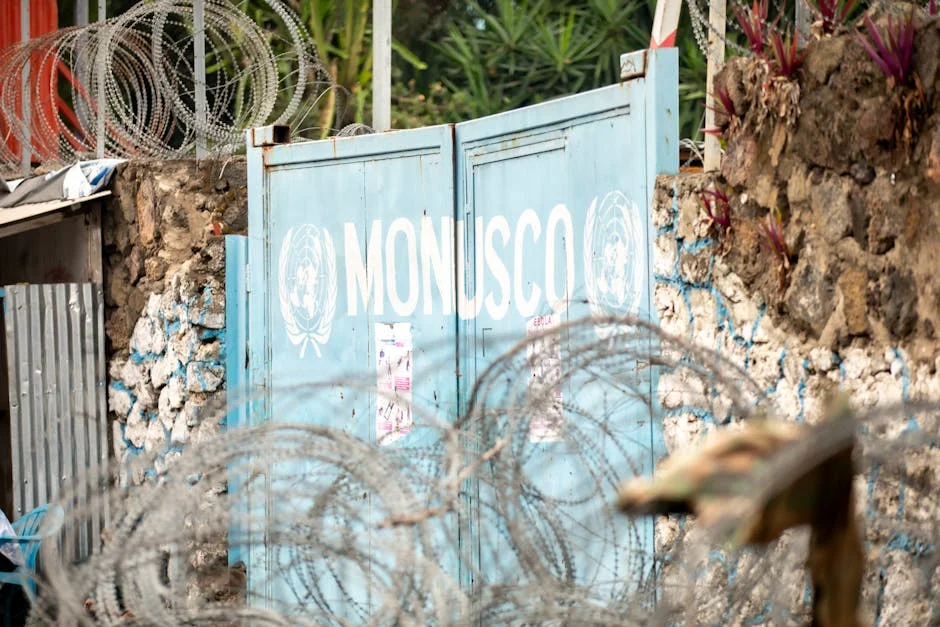
The ADF’s operations have disrupted local economies, particularly in mining areas. In 2023, the DRC produced 70% of the world’s cobalt, a key component in electric vehicle batteries. Any escalation in violence could disrupt supply chains and send shockwaves through global markets. The U.S. Department of State has expressed concern over the instability, noting that it could impact U.S. investments in the region’s mineral sector.
Market Reactions and Investor Concerns
Following the rescue, stock markets in the DRC saw a slight rebound, but the overall sentiment remains cautious. The Kinshasa Stock Exchange, which has struggled with volatility, saw a 1.2% increase in value on the day of the operation. However, analysts warn that the underlying security risks continue to weigh on investor confidence. The International Monetary Fund (IMF) has urged the DRC to invest more in security and infrastructure to attract foreign capital.
Investors in the mining sector are closely watching the situation. The DRC’s cobalt and copper reserves are critical to global tech and energy industries. A report by the London-based consultancy Verisk Maplecroft noted that political and security instability in the DRC could lead to a 5-7% drop in mineral exports by 2025. The U.S. Geological Survey has also flagged the DRC as a high-risk region for supply chain disruptions.
Businesses Navigate Uncertainty
Local businesses in North Kivu have been hit hard by the ADF’s activities. In the town of Beni, where the group has carried out several attacks, small traders and farmers report a 30% decline in sales over the past year. The World Bank has estimated that violence in the region has cost the DRC over $2 billion in lost economic output annually. Many companies have delayed expansion plans or shifted operations to safer areas.
International firms operating in the DRC are also reassessing their strategies. Glencore, a major mining company, has announced a review of its operations in North Kivu, citing the need for improved security. The company’s spokesperson, Sarah Mitchell, said, “We are committed to the DRC, but we must ensure the safety of our workers and the stability of our operations.”
Security and Economic Challenges
The DRC’s security forces face significant challenges in combating the ADF. The army has been underfunded and poorly equipped, leading to calls for increased international support. The African Union has pledged $150 million in aid for security and development projects in the region. However, critics argue that more needs to be done to address the root causes of the conflict, including poverty and governance issues.
The economic implications of continued instability are dire. The DRC’s GDP growth has slowed to 2.1% in 2024, down from 4.5% in 2022. The World Bank has warned that without improved security, the country’s economic recovery could stall. This would have a ripple effect on global markets, particularly for companies reliant on DRC minerals.
Looking Ahead: What to Watch Next
The coming months will be critical for the DRC’s stability and economic outlook. A new security strategy, expected to be announced by the DRC government in August, could determine whether the region sees lasting peace or further turmoil. Investors and businesses are closely monitoring the situation, with many preparing for potential disruptions. The international community, including the U.S., will also be watching how the DRC handles the security challenges in the region.
The rescue of 200 hostages is a positive step, but it does not solve the deeper issues threatening the DRC. As the country moves forward, the focus will be on how it balances security, economic development, and the needs of its people. For markets and investors, the path ahead remains uncertain, but the stakes are clear: stability in the DRC is essential for global economic growth.
Frequently Asked Questions
What is the latest news about congo rescues 200 from islinked militia markets brace for instability?
More than 200 civilians were freed from the grip of the Allied Democratic Forces (ADF), an Islamic State-linked militant group, in eastern Democratic Republic of the Congo (DRC) following a joint operation with Ugandan forces.
Why does this matter for artificial-intelligence?
The DRC’s government, along with international partners, has called for increased security measures to prevent further violence.
What are the key facts about congo rescues 200 from islinked militia markets brace for instability?
The group, which has been active since the early 2000s, has been linked to several deadly attacks, including the 2014 massacre in the village of Kishishe.