The White House and AI firm Anthropic held a closed-door meeting this week as concerns over the company’s upcoming Mythos model intensify. The discussion, held in Washington, D.C., focused on potential regulatory actions and the broader implications of advanced AI systems on national security and economic stability. The meeting followed growing scrutiny from lawmakers and industry experts over the risks associated with large-scale AI development.
White House Seeks Clarity on AI Developments
The White House has long expressed concerns about the unchecked growth of AI technologies, particularly those with the potential to disrupt critical sectors such as finance, healthcare, and national defense. During the meeting, officials reportedly pressed Anthropic for more transparency on the Mythos model’s capabilities, including its potential for misuse or unintended consequences.
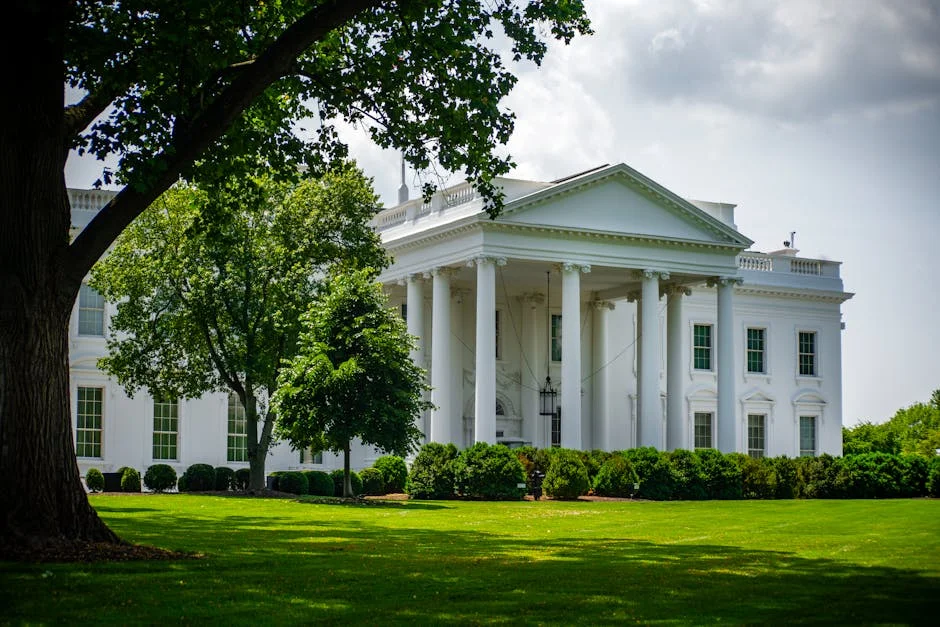
White House officials, including National Security Advisor Jake Sullivan, emphasized the need for a balanced approach that fosters innovation while mitigating risks. “AI is a transformative force, but it must be guided by clear ethical and regulatory frameworks,” Sullivan said in a statement. “We are committed to ensuring that American leadership in AI remains both responsible and secure.”
Anthropic Faces Rising Pressure From Regulators
Anthropic, the San Francisco-based AI company behind the Claude series of language models, has been under increasing pressure from both the public and private sectors. The firm’s latest project, Mythos, is expected to be one of the most powerful AI models ever developed, with capabilities that could rival those of major tech giants. However, its development has raised questions about data privacy, algorithmic bias, and the potential for misuse in areas such as deepfake technology and autonomous weapons.
Investors have also taken notice. Shares of Anthropic, which remains a private company, have seen increased volatility as uncertainty around regulatory approval grows. In a recent report, the Brookings Institution highlighted that AI models like Mythos could disrupt global markets if not properly managed, with potential impacts on employment, trade, and financial systems.
Market Reactions and Investor Concerns
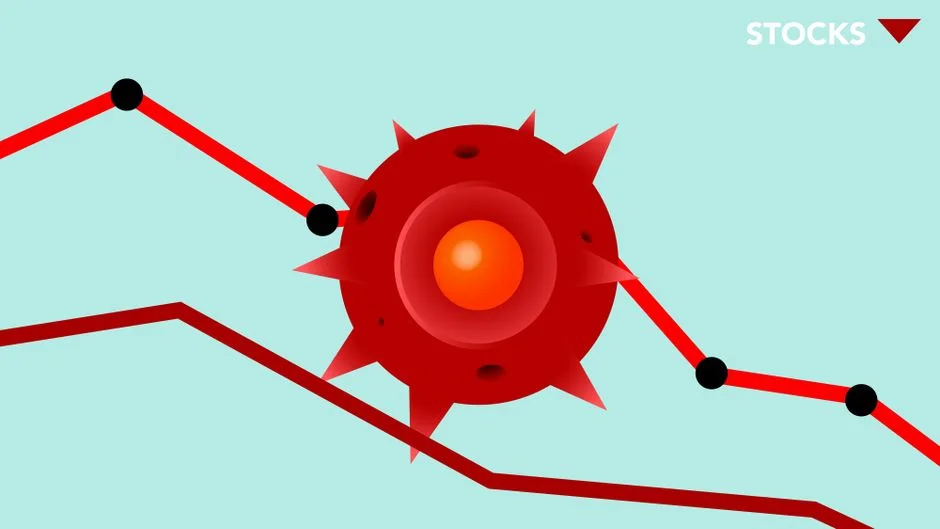
Financial markets have responded cautiously to the White House’s growing involvement in AI regulation. The S&P 500’s technology sector, which includes major AI firms, has seen a slight decline in recent weeks as investors weigh the potential for stricter oversight. Analysts at JPMorgan noted that regulatory uncertainty could slow the pace of AI adoption in key industries, potentially affecting short-term growth projections.
Investors are also watching how the U.S. government will coordinate with international partners on AI standards. The European Union, for example, has already introduced the AI Act, a comprehensive regulatory framework for AI systems. The White House’s approach could influence global policy and affect the competitive landscape for AI companies worldwide.
What Comes Next for Anthropic and the White House?
The next few months will be critical for both Anthropic and the White House. The company is expected to release more details about the Mythos model in the coming weeks, which could either calm or heighten concerns. Meanwhile, the White House is working on a broader AI policy framework that could shape the future of AI development in the U.S.
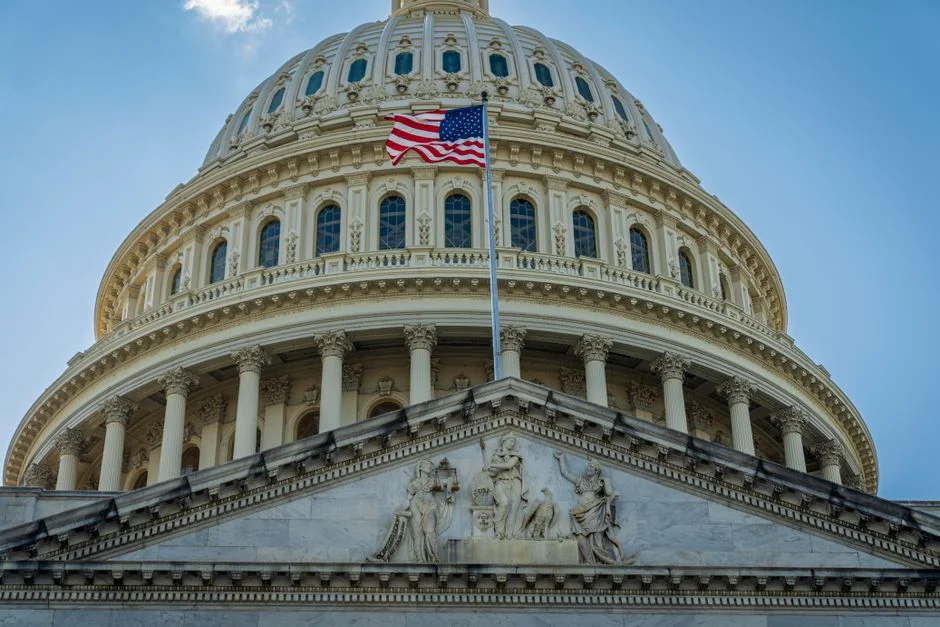
Regulators are also preparing for a potential congressional hearing on AI oversight, which could bring additional scrutiny to Anthropic and other firms. The outcome of these discussions will determine how quickly AI innovation can proceed while ensuring that safeguards are in place to protect the public interest.
The coming weeks will test the balance between innovation and regulation in the AI sector. Investors, businesses, and policymakers are all watching closely as the White House and companies like Anthropic navigate this complex and rapidly evolving landscape.
See Also
- Seguro's Urgent Push for Stability Slams US Markets
- Nepal Votes in Crucial Election - Jobs and Economy Take Center Stage
Analysts at JPMorgan noted that regulatory uncertainty could slow the pace of AI adoption in key industries, potentially affecting short-term growth projections. The S&P 500’s technology sector, which includes major AI firms, has seen a slight decline in recent weeks as investors weigh the potential for stricter oversight.