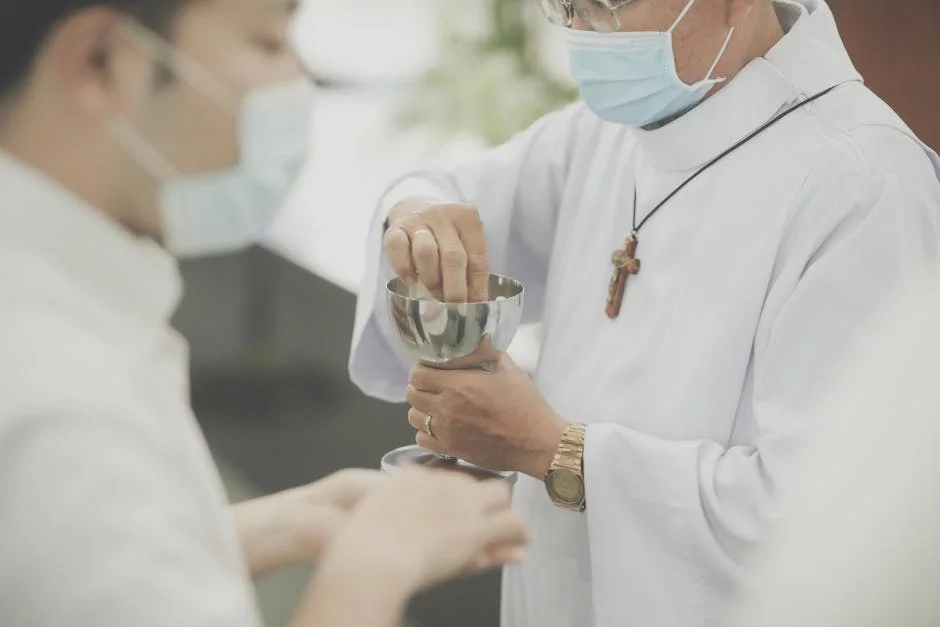
The Pope's visit to Douala, Cameroon, drew an estimated 600,000 attendees for a public Mass, marking one of the largest religious gatherings in the country's history. The event, held on a rainy Saturday, saw thousands of pilgrims travel from across Cameroon and neighboring regions, with local authorities reporting a significant economic boost to the city. The event, led by Pope Francis, was part of a broader tour of Africa aimed at strengthening the Catholic Church's presence and influence in the region.
Religious Gathering Boosts Local Economy
The influx of visitors into Douala, Cameroon’s economic hub, provided a short-term boost to local businesses, particularly in the hospitality and transportation sectors. Hotels reported a 30% increase in occupancy, while taxi and bus operators saw a surge in demand. The government estimated that the event generated over $5 million in direct economic activity, with additional benefits to local vendors and street food sellers.
“The Pope's visit brought more than spiritual significance—it brought economic momentum,” said Jean-Baptiste Mbock, a local business owner in Douala’s central district. “We saw a lot of people coming in, and that translates to more spending.” The event also attracted international media coverage, increasing visibility for the city and potentially encouraging future tourism and investment.
Businesses and Investors Take Note
For investors, the event highlighted the growing importance of religious and cultural events in driving economic activity in developing markets. Analysts noted that such high-profile visits can act as catalysts for long-term economic growth by increasing public engagement and improving infrastructure. The government has already announced plans to improve transportation and security in Douala, citing the Pope's visit as a key factor in the decision.
“This is a reminder of the power of large-scale events to stimulate local economies,” said Amina Sow, an economist with the African Development Bank. “Cameroon has the potential to become a major hub for religious tourism, especially with its strong Catholic community.” The event also underscored the role of faith-based institutions in shaping public policy and economic planning, a dynamic that could influence future investment decisions in the region.
Long-Term Implications for the Region
While the immediate economic impact of the Pope's visit is clear, the long-term implications remain to be seen. The event has put Douala on the global map, potentially attracting more international attention and investment. However, challenges remain, including infrastructure gaps and the need for more sustainable economic policies to support the city’s growing population.
The Catholic Church's presence in Cameroon is strong, with over 40% of the population identifying as Catholic. This religious base, combined with the recent surge in economic activity, could position the country as a key player in the region's growing religious tourism market. The government has already begun engaging with religious leaders to explore partnerships that could further leverage this potential.
Infrastructure and Security Concerns
Despite the positive economic impact, the event also exposed vulnerabilities in Douala's infrastructure. Traffic congestion, limited public transport, and inadequate security measures were reported by several attendees. Local officials have since pledged to address these issues, with plans to upgrade roads and expand public transit systems in the coming months.
“We need to ensure that future events can be managed more effectively,” said Mayor of Douala, Fru Ndi. “The Pope's visit was a success, but we must learn from it to improve the city’s capacity to handle large crowds.” The government has also announced a security review to prevent similar issues in the future, particularly as the city prepares to host other major events in the coming year.
What to Watch Next
As the dust settles on the Pope's visit, the focus now shifts to how Cameroon will capitalise on the economic and cultural momentum. Investors are watching closely to see if the government will follow through on its infrastructure and security promises. The next major test will come in early 2024, when Douala is expected to host a regional economic summit, a key opportunity to showcase the city’s progress.