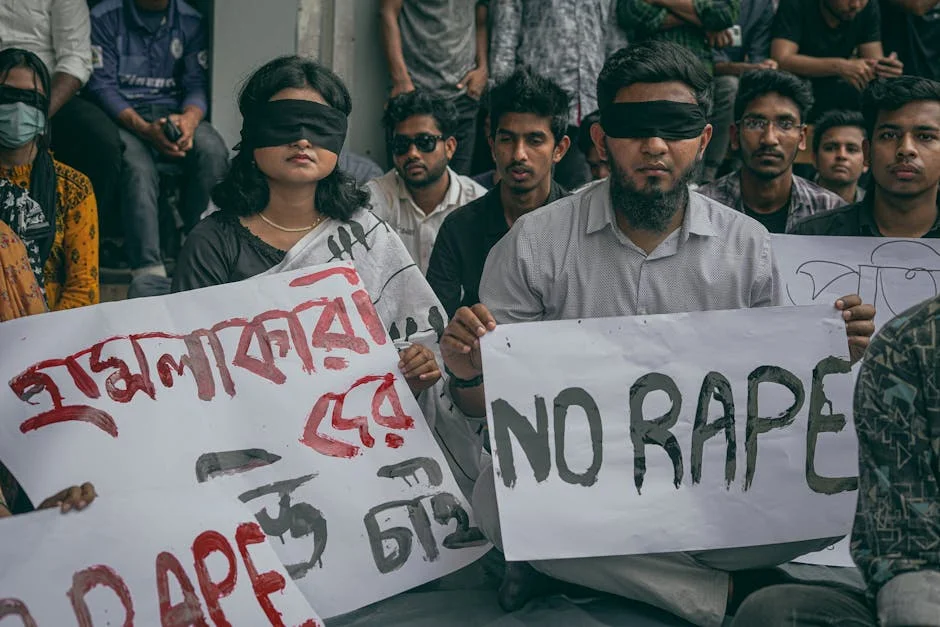
In Mozambique, a group of medical interns has set up camp outside the Hospital Central in Beira, demanding the payment of ten months' worth of overdue stipends. This strike, which began recently, could disrupt healthcare services in the region and potentially affect economic stability as well.
Hospital Central at the Forefront
Hospital Central in Beira, one of Mozambique's major medical facilities, is currently the epicenter of the ongoing strike. The hospital plays a crucial role in the nation's healthcare system, and any prolonged disruption could lead to significant service delays and patient care issues. The interns' demands for overdue payments highlight systemic financial issues within Mozambique's healthcare sector.

Such disruptions could mean increased operational costs for healthcare providers who might need to employ temporary staff to fill the gap left by striking interns. The strain on healthcare services could further impact local businesses that rely on stable health services for their employees.
Economic Implications for Mozambique
The strike not only underscores the challenges within the healthcare system but also presents broader economic implications. The lack of payment for medical interns reflects fiscal strains that could deter potential investors concerned about the country's financial management practices.
The Mozambican government, already burdened with economic challenges, may face increased scrutiny from international observers and investors. Fiscal mismanagement in sectors like healthcare could lead to reduced foreign investment, impacting economic growth prospects.
Regional and International Repercussions
Impact on Regional Health Services
Given Beira's strategic location, the ongoing strike at Hospital Central could have regional repercussions. Neighboring countries that depend on Mozambique for specialized medical services might need to seek alternatives, potentially leading to increased healthcare costs.
The strike also raises questions about healthcare workforce stability across the region. If Mozambique struggles to pay its medical interns, other nations with similar fiscal challenges might face similar issues, affecting regional healthcare service delivery.
What to Watch Next
As the strike continues, stakeholders will be closely watching the Mozambican government's response. A resolution to the payment issue could restore confidence in the healthcare system and potentially stabilize the situation. However, failure to address these concerns could lead to prolonged disruptions.
Investors and businesses should monitor developments at the Hospital Central in Beira, as the outcome could influence broader economic conditions in Mozambique. The situation may also prompt international health organizations to intervene, providing temporary relief or long-term solutions to prevent similar occurrences in the future.