Apple has unveiled its latest line of desktop computers meticulously tailored for artificial intelligence (AI) development. This move acknowledges the growing trend among developers who have been creatively linking Macs to enhance AI applications. With this new release, Apple aims to streamline the AI development process, offering a powerful platform that caters specifically to the demands of AI computation.
AI-Centric Innovations in Apple's Latest Macs
The newly launched desktop range by Apple incorporates advanced hardware configurations designed to support intensive AI workloads. By integrating high-performance processors and expanded GPU capabilities, Apple ensures that these machines can efficiently handle the complex computations required for AI tasks. The emphasis is on delivering a seamless experience for AI developers, from individual enthusiasts to large tech firms.
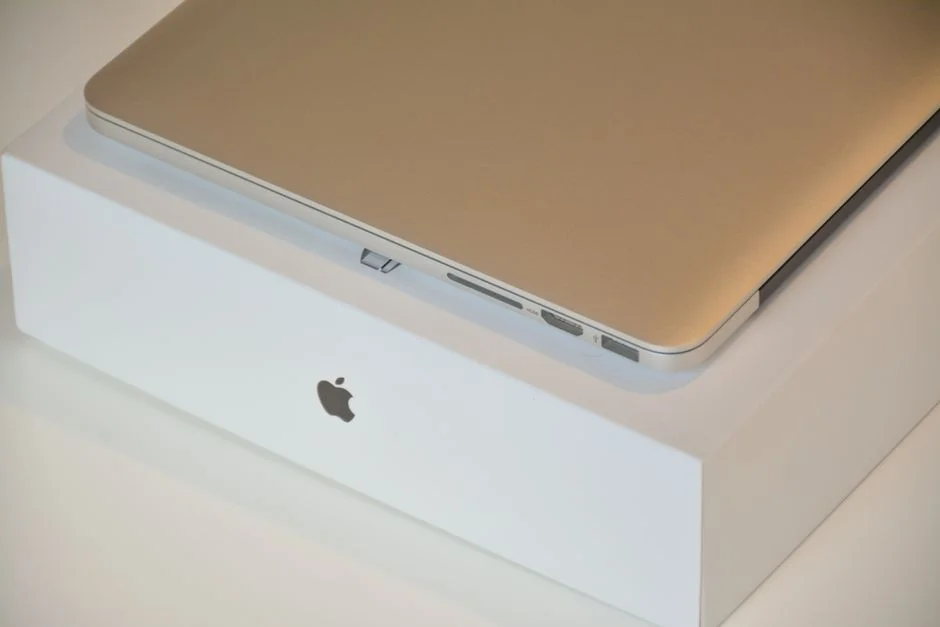
The decision to specialize these machines for AI reflects Apple's commitment to capturing a significant share of the growing AI development market. This strategic positioning is crucial as AI increasingly influences various sectors, from healthcare to finance. By offering machines that are ready for AI applications out of the box, Apple sets itself apart from competitors who have yet to target this niche directly with optimized hardware specifications.
Developers have historically resorted to daisy-chaining multiple Mac units to achieve desired computational power. This practice, while innovative, often resulted in less efficient setups and potential bottlenecks. With Apple's new computers designed for local AI development, users can expect enhanced performance without the need to improvise with existing hardware limitations.
This development is poised to have significant consequences for the technology sector, particularly in the United States, where demand for AI capabilities is rapidly rising. By empowering developers with these specialized tools, Apple could accelerate innovation and bolster its position as a leader in tech-driven AI solutions.
Background and Competitive Landscape
Apple's entry into AI-specific desktop computing comes at a time when artificial intelligence is transforming industries worldwide. AI technologies, including machine learning and deep learning, have become central to advancements in automation, data analysis, and beyond. The United States, in particular, has been a hub for AI research and development, driven by both academic institutions and private enterprises.
The technological infrastructure required for AI development is complex and often expensive. High-end computing power is essential for training AI models, which involve processing vast datasets and executing millions of operations simultaneously. Apple's new Macs aim to simplify this aspect by providing ready-to-use systems that reduce setup time and increase efficiency for developers.
Competitors such as Microsoft and Google have also been investing heavily in AI, primarily through cloud-based solutions. While these offer scalability and flexibility, Apple's focus on local development caters to a different segment of the market—those who prefer or require on-premises development for reasons of security, data sovereignty, or simply personal preference.
The launch aligns with broader trends in the tech industry, where there is a push towards democratizing AI tools and making them more accessible to a wider range of users. By offering dedicated AI development machines, Apple expands its ecosystem and creates new opportunities for third-party developers to innovate within its platform.
Implications for the Future of AI Development
The introduction of AI-optimized Macs represents a shift in how desktop computers are perceived and utilized in professional settings. This development not only highlights Apple's technological prowess but also sets a precedent for other manufacturers to consider similar adaptations in their hardware offerings.
For developers and companies involved in AI, this could mean faster development cycles and more robust AI models. With machines specifically designed for AI tasks, developers can focus more on innovation and less on overcoming hardware limitations. This could lead to breakthroughs in AI research and application, impacting sectors like autonomous driving, smart cities, and predictive analytics.
Looking ahead, Apple's strategy could influence the broader tech market to integrate AI capabilities more deeply into consumer and enterprise products. As AI becomes more ingrained in daily life, the demand for hardware that can efficiently support these applications will only grow.
Consumers stand to benefit as AI-driven products become more sophisticated, offering more personalized and proactive experiences. Meanwhile, developers empowered with state-of-the-art tools may push the boundaries of what AI can accomplish, leading to new commercial applications and potential economic growth.
In the coming months, observers will be keen to see how Apple's competitors respond to this move. Will there be a surge in AI-focused hardware solutions from other tech giants? The answers will unfold as the industry continues to evolve amidst rapid technological advancements.
The Road Ahead for AI and Apple's Ecosystem
As Apple rolls out these groundbreaking machines, the tech community will be watching closely to gauge their impact on AI development practices. The success of this initiative could redefine desktop computing, positioning it as a central tool for AI innovation alongside cloud computing.
Developers should anticipate more announcements from Apple regarding software updates and integrations that complement these new hardware offerings. Enhanced development tools and frameworks could further lower the barriers to entry for AI development, inviting more participants into the field.
The evolution of Apple's AI-focused Macs will likely influence educational institutions as well. As AI technology becomes a staple in various industries, universities and training centers may incorporate these machines into their curricula, equipping the next generation of developers with the skills they need to thrive in an AI-driven world.
The potential for commercial impact is significant. As developers harness the power of these machines, new startups may emerge, leveraging AI to solve complex problems in innovative ways. Apple's move could thus catalyze a new wave of entrepreneurship within the tech sector.
In the near future, stakeholders should watch for the rollout of new AI software tailored to these Macs, as well as Apple's potential collaborations with AI research institutions. Such developments could further cement Apple's role as a leader in the AI revolution.
Exploring the Benefits and Challenges of On-Premises AI Development
Apple's foray into AI-optimized desktop computers provides a fresh perspective on the balance between cloud-based and on-premises AI development. While cloud solutions offer scalability and ease of access, Apple's approach caters to a niche that values the control and privacy of local development environments. This choice reflects a broader debate in the tech industry about the most effective and secure ways to develop AI technologies.
On-premises AI development, as facilitated by Apple's new Macs, offers several distinct advantages. First, it enhances data privacy and security—a critical consideration for sectors handling sensitive information, such as healthcare and finance. By processing data locally, organizations can mitigate the risks associated with transmitting sensitive information over the internet, which is particularly relevant in an era of increasing cyber threats.
Furthermore, local AI development reduces latency, enabling real-time processing and decision-making. This is crucial for applications requiring immediate feedback, such as autonomous vehicles and real-time analytics. Developers can experiment and iterate rapidly without the constraints of network dependencies, potentially accelerating the pace of innovation.
However, on-premises solutions are not without their challenges. The initial investment in high-performance hardware can be substantial, posing a barrier for smaller companies and independent developers. Additionally, maintaining and upgrading local infrastructure requires ongoing resources and expertise, which can detract from the core focus of AI research and development.
Despite these challenges, Apple's strategy might inspire other tech companies to explore similar offerings, potentially leading to a more diverse range of AI development solutions. Companies might begin to offer hybrid models, combining the best elements of cloud and local computing, thereby providing developers with flexible and tailored environments to suit their specific needs.
As the landscape of AI development continues to evolve, stakeholders should pay close attention to how this shift influences industry standards and practices. Will there be a significant move towards decentralized AI development, or will cloud solutions continue to dominate the field? The answers could shape the future of AI innovation and its applications across various sectors.
Moreover, Apple's investment in AI-specific desktops could spur advancements in AI software and tools. Developers might see an influx of new libraries and frameworks optimized for these machines, further enhancing their capabilities. This could democratize AI development by making powerful tools available to a broader audience, including educators, researchers, and hobbyists.
In the coming years, the interplay between hardware and AI development will likely intensify. Companies will need to balance the demands for high-performance computing with the need for sustainable and cost-effective solutions. As AI becomes more integrated into everyday life, the role of powerful desktops like those from Apple could expand, influencing not only how AI is developed but also how it's deployed in consumer products.
Another area to watch is the potential impact on AI ethics and governance. With more powerful tools at their disposal, developers will have the ability to create increasingly sophisticated AI systems. This raises questions about the ethical implications of AI development and the responsibility of tech companies to ensure that their products are used in ways that benefit society.
The tech industry is at a crossroads, and Apple's latest move could be a catalyst for change. As competitors assess their strategies, the market may see an influx of innovation, with companies striving to offer the most efficient and user-friendly AI development platforms. This competitive environment could foster breakthroughs that extend beyond technology, influencing economic growth and societal change.
In conclusion, Apple's AI-focused desktops represent a significant step forward in the evolution of AI development. By addressing the needs of developers who prioritize local processing capabilities, Apple not only strengthens its position in the tech market but also sets a precedent for future innovation. As the world watches how this initiative unfolds, one thing is clear: the future of AI development is poised for exciting transformations, driven by the synergy between cutting-edge hardware and ever-advancing software solutions.
See Also
- Why Cloud Computing Is Reshaping the U.S. Economy — and What Comes Next
- Canvas Cyberattack Triggers Academic Chaos Amid Critical Finals Week